Sand use is fundamental to modern civilization, often overlooked despite its critical role in construction, manufacturing, and even technological advancements. From the concrete foundations of our cities to the glass screens of our devices, sand is an indispensable resource. Understanding the complexities of sand extraction, processing, and sustainable utilization is paramount, given growing global demand and increasingly strained supply chains. This understanding impacts economic development, environmental preservation, and social responsibility.
The global demand for sand has skyrocketed in recent decades, driven primarily by rapid urbanization and infrastructure development, particularly in emerging economies. The United Nations Environment Programme (UNEP) estimates that the world consumes approximately 50 billion tonnes of sand and gravel annually. This extraction frequently occurs without adequate environmental regulation, leading to devastating consequences for river ecosystems, coastlines, and communities. Sustainable sand use isn’t merely an environmental concern; it's a matter of economic security and long-term societal well-being.
At its core, sand use encompasses the entire lifecycle of this granular material – from its sourcing and processing to its application in various industries. Its ubiquity often masks the intricate logistics and challenges associated with its responsible management. Addressing these challenges requires innovation in material science, improved regulatory frameworks, and a shift toward circular economy principles.

The Importance of Sustainable sand use
Sustainable sand use is no longer a niche environmental concern, but a crucial imperative for global development. The unchecked extraction of sand is causing significant ecological damage, including river degradation, coastal erosion, and biodiversity loss. Prioritizing sustainable practices—like utilizing recycled aggregates, implementing stricter extraction regulations, and investing in alternative materials—is vital for minimizing environmental impact.
Beyond environmental considerations, responsible sand management contributes to social stability and economic resilience. Illegal sand mining often fuels conflicts, exploits vulnerable communities, and undermines legitimate economic activity. A transparent and equitable approach to sand use ensures that benefits are shared broadly and that the rights of local populations are respected.
Defining sand use and its Relevance
Sand use, in its simplest definition, refers to the extraction and application of granular material – primarily silica sand and gravel – for a diverse range of purposes. However, the scope of sand use extends far beyond these basic materials; it encompasses the entire supply chain, from quarrying and processing to transportation and end-use applications. Its relevance is rooted in the fundamental role it plays in construction, manufacturing, and infrastructure development.
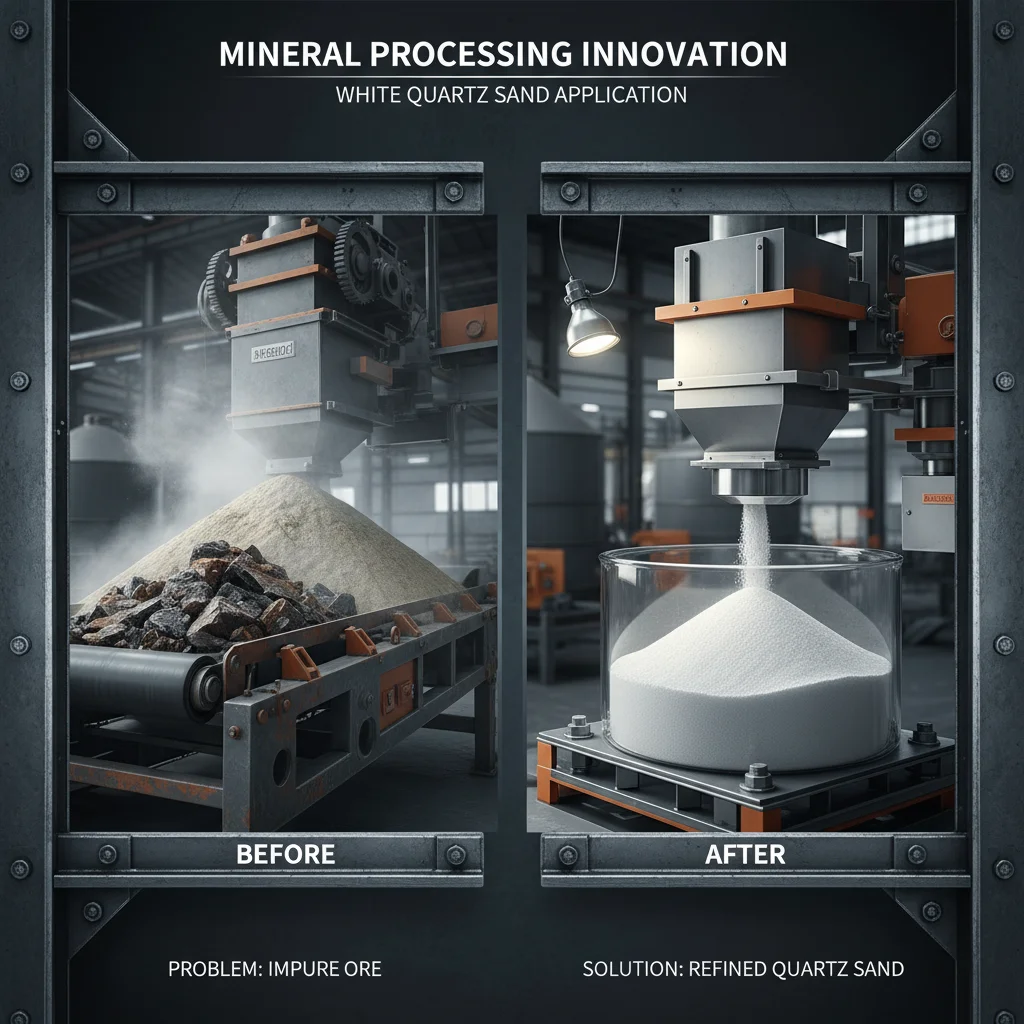
The connection between sand use and modern industry is undeniable. Concrete, the most widely used building material globally, is comprised of approximately 60-70% sand. Glass production, essential for windows, bottles, and fiber optic cables, relies heavily on high-purity silica sand. Even the production of semiconductors, crucial for electronic devices, demands specialized sand with precise particle sizes and chemical compositions.
Furthermore, sand use is critically linked to humanitarian needs. In disaster relief operations, sand is often used for creating temporary shelters, stabilizing damaged infrastructure, and preventing further erosion. Addressing the global sand crisis requires recognizing its multifaceted relevance and adopting a holistic approach to resource management.
Core Components of Effective sand use
Effective sand use hinges on several key components. Resource Assessment is paramount; understanding the quantity and quality of available sand resources is crucial for informed decision-making. Detailed geological surveys and comprehensive environmental impact assessments are necessary to minimize negative consequences.
Another critical component is Extraction Regulation. Implementing and enforcing stringent regulations governing sand extraction—including permitting requirements, environmental safeguards, and monitoring protocols—is vital for preventing illegal mining and ensuring sustainable practices. A strong regulatory framework fosters transparency and accountability.
Material Optimization involves minimizing sand consumption through innovative design techniques and the use of alternative materials. This includes exploring options like recycled concrete aggregates, industrial byproducts (e.g., slag), and alternative binders. Furthermore, Circular Economy Principles – such as reusing and recycling sand – can significantly reduce demand for virgin materials. Finally, Community Engagement is essential to ensure that local populations benefit from sand resources and are involved in decision-making processes.
Global Applications of sand use
The applications of sand use are vast and geographically dispersed. In East Asia, rapid urbanization and infrastructure development have driven massive demand for sand, leading to significant environmental challenges in river systems. In North America, sand is heavily used in the oil and gas industry for hydraulic fracturing (“fracking”), as well as in construction and manufacturing.
The Middle East relies heavily on sand for construction projects, particularly in rapidly growing cities like Dubai and Abu Dhabi. Coastal areas across the globe are particularly vulnerable to the impacts of sand mining, with erosion and habitat loss becoming increasingly common. In post-disaster relief operations, sand is vital for building temporary shelters, creating barriers against flooding, and restoring damaged infrastructure.
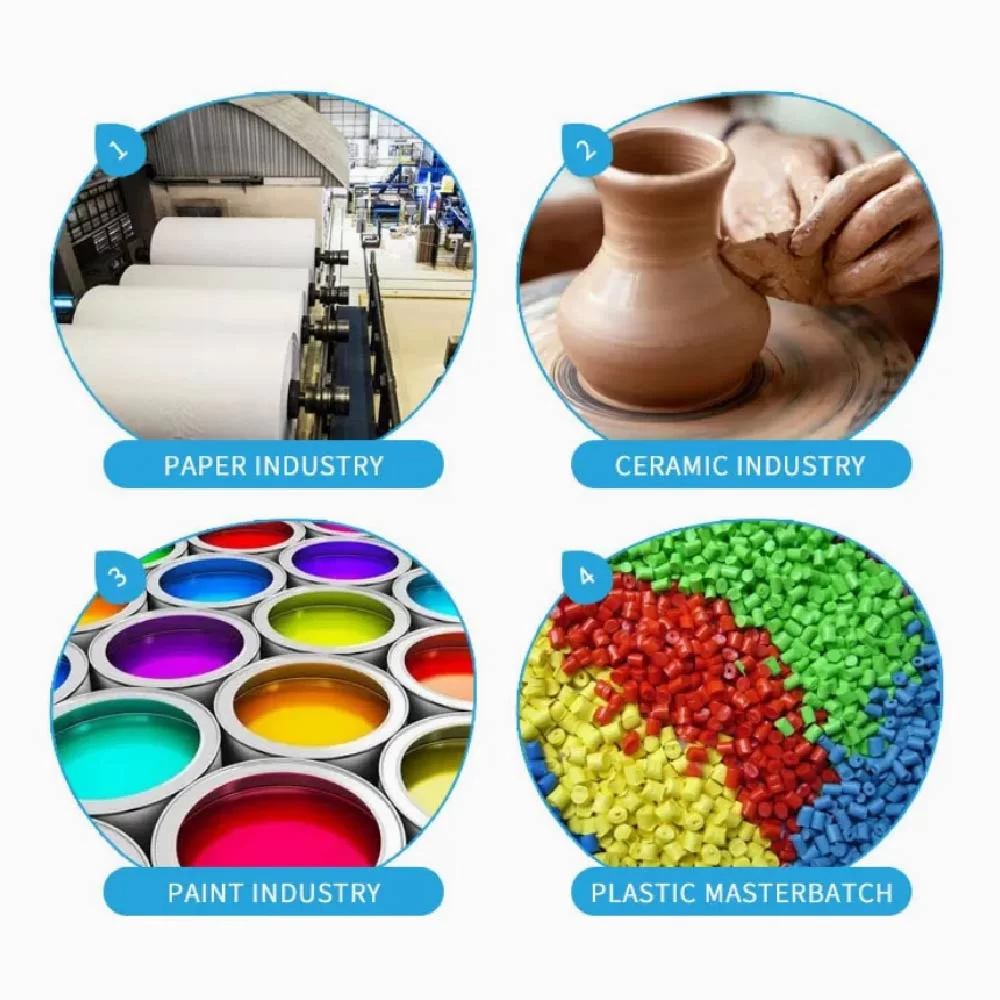
The scope of sand use also extends to specialized industries. The glass manufacturing sector, prevalent in countries like Germany and Japan, demands high-purity silica sand. The electronics industry, concentrated in regions like Taiwan and South Korea, requires sand with precise particle sizes for semiconductor production.
sand use Application Distribution
Advantages and Long-Term Value of sand use
The long-term value of responsible sand use extends far beyond immediate economic benefits. Employing innovative techniques to optimize material consumption translates into cost savings for construction projects and manufacturing processes. Utilizing recycled aggregates and alternative materials reduces reliance on expensive virgin sand and minimizes transportation costs.
From a sustainability perspective, responsible sand management safeguards vital ecosystems and reduces environmental degradation. Preserving river systems, protecting coastlines, and minimizing habitat loss contributes to long-term ecological health. Furthermore, embracing circular economy principles – such as sand recycling – reduces waste and promotes resource efficiency.
Future Trends and Innovations in sand use
The future of sand use is being shaped by emerging technologies and a growing awareness of sustainability concerns. 3D printing with concrete is poised to revolutionize construction, allowing for more efficient material use and customized designs. Artificial sand, produced from crushed rock or industrial waste, offers a viable alternative to natural sand in some applications.
Digitalization is playing an increasingly important role in sand management, with technologies like GPS tracking, drone surveillance, and blockchain enabling greater transparency and accountability in the supply chain. The integration of artificial intelligence (AI) can optimize extraction processes, predict demand fluctuations, and identify potential environmental risks.
Challenges and Solutions in sand use
Despite progress in sustainable sand management, significant challenges remain. Illegal sand mining continues to be a widespread problem, particularly in developing countries, where weak enforcement and corruption undermine regulatory efforts. Lack of awareness among stakeholders – including policymakers, industry professionals, and the public – hinders the adoption of sustainable practices.
A key solution lies in strengthening international cooperation to establish global standards for sand extraction and trade. Investing in research and development to identify alternative materials and optimize material usage is also crucial. Promoting community-based sand management empowers local populations to participate in decision-making and benefit from sustainable resource utilization.
Furthermore, embracing extended producer responsibility (EPR) schemes – where manufacturers take responsibility for the end-of-life management of their products – can incentivize the use of recycled aggregates and reduce demand for virgin sand.
Summary of Potential Solutions for Sustainable Sand Management
| Challenge Area |
Proposed Solution |
Implementation Difficulty (1-10) |
Potential Impact (1-10) |
| Illegal Sand Mining |
Strengthened Enforcement & Monitoring |
7 |
8 |
| Lack of Alternative Materials |
R&D in Artificial Sand & Recycled Aggregates |
6 |
9 |
| Weak Regulatory Frameworks |
Establishment of Global Sand Standards |
8 |
7 |
| Limited Public Awareness |
Educational Campaigns & Stakeholder Engagement |
5 |
6 |
| Inefficient Material Use |
Adoption of 3D Printing & Optimized Designs |
7 |
8 |
| Supply Chain Opacity |
Implementation of Blockchain Technology |
9 |
7 |
FAQS
Sand extraction can cause significant environmental damage, including river erosion, loss of biodiversity, increased turbidity in waterways, and disruption of sediment transport. Coastal sand mining contributes to beach erosion and threatens vital ecosystems like mangroves and coral reefs. These impacts can have long-lasting consequences for both the environment and the communities that depend on it.
Construction companies can reduce sand consumption through various strategies, including utilizing recycled concrete aggregates, exploring alternative binders like geopolymer concrete, optimizing structural designs to minimize material use, and adopting prefabrication techniques. Implementing efficient material management practices and prioritizing sustainable sourcing are also crucial steps.
Artificial sand is produced by crushing rock or using industrial byproducts like slag. Its properties vary depending on the source material and processing techniques. While not a perfect substitute for natural sand in all applications, it can be a viable alternative in many construction and manufacturing processes, reducing pressure on natural sand resources. Proper quality control is essential to ensure its performance meets required standards.
Government regulation is critical for ensuring sustainable sand use. Effective regulations should include permitting requirements for sand extraction, environmental impact assessments, monitoring and enforcement mechanisms, and penalties for illegal mining. Transparent and accountable governance is essential for preventing corruption and protecting the environment.
While a globally recognized, universally adopted certification for sustainable sand sourcing is still evolving, some initiatives are emerging. Organizations like the UNEP are working to develop frameworks for responsible sand management. Some regional or national standards may also exist. Looking for suppliers who demonstrate a commitment to environmental and social responsibility is a good starting point.
The potential for using recycled materials in place of sand is substantial. Recycled concrete aggregates (RCA) offer a readily available alternative in many construction applications. Other recycled materials, such as glass cullet and crushed brick, can also be used as partial replacements for sand. Expanding the use of recycled materials reduces landfill waste and lowers demand for virgin resources.
Conclusion
In conclusion, sand use is a pervasive yet often underestimated aspect of modern life. From the infrastructure that supports our cities to the technologies that connect us, sand is a fundamental building block. However, the unsustainable extraction of this resource poses significant environmental and social challenges. Addressing these challenges requires a paradigm shift towards responsible sand management, embracing innovation, and prioritizing sustainability.
The future of sand use hinges on our collective commitment to circular economy principles, technological advancements, and robust regulatory frameworks. By investing in research, promoting collaboration, and raising awareness, we can ensure that sand remains a vital resource for generations to come. Visit our website at sand use to learn more about sustainable material solutions.