
Best Uses of Colored Gravel for Landscaping to Enhance Your Yard
Elevate Your Outdoor Space with Colored Gravel for Landscaping
Creating a visually stunning garden or walkway requires a balance of functionality and aesthetic appeal. Using colored gravel for landscaping is one of the most effective ways to introduce vibrant tones and professional texture to your outdoor environment. Unlike traditional mulch, colored stone provides a permanent solution that resists decay and reduces maintenance. Whether you are looking to define a path, highlight a flower bed, or create a modern Zen garden, the right choice of aggregate can transform a dull yard into a masterpiece. In this guide, we will explore the various types of colored gravel and how to use them to maximize your property's curb appeal.
The Visual Impact of Choosing Colored Gravel for Landscaping
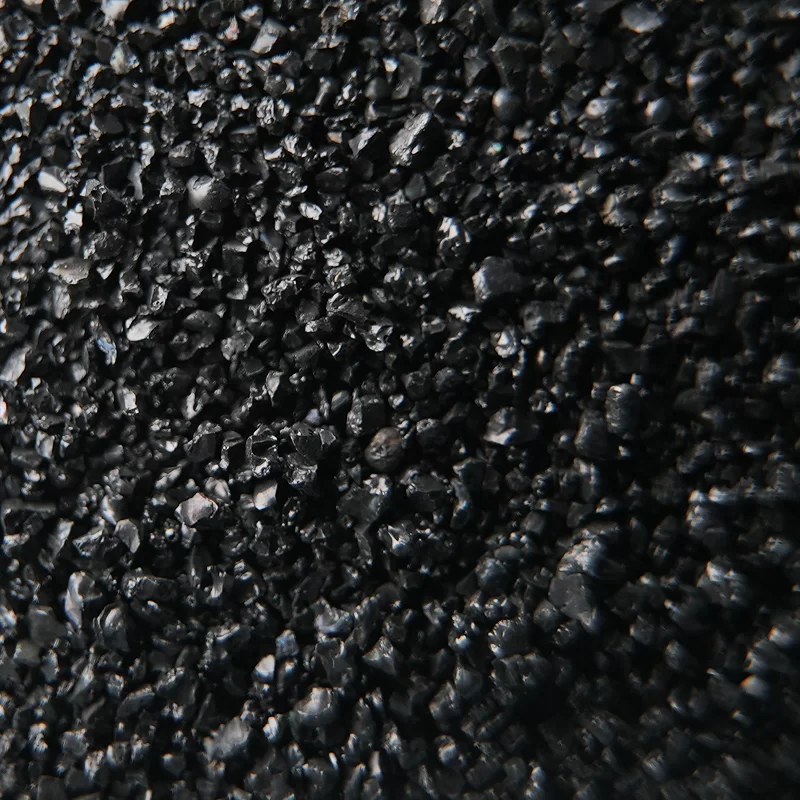
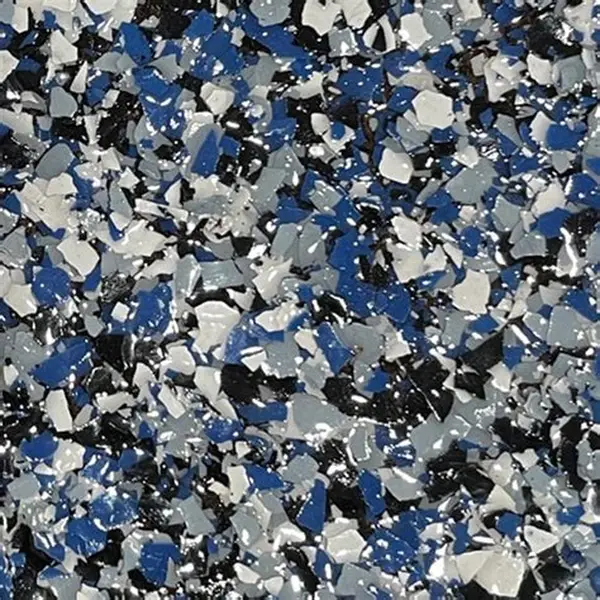
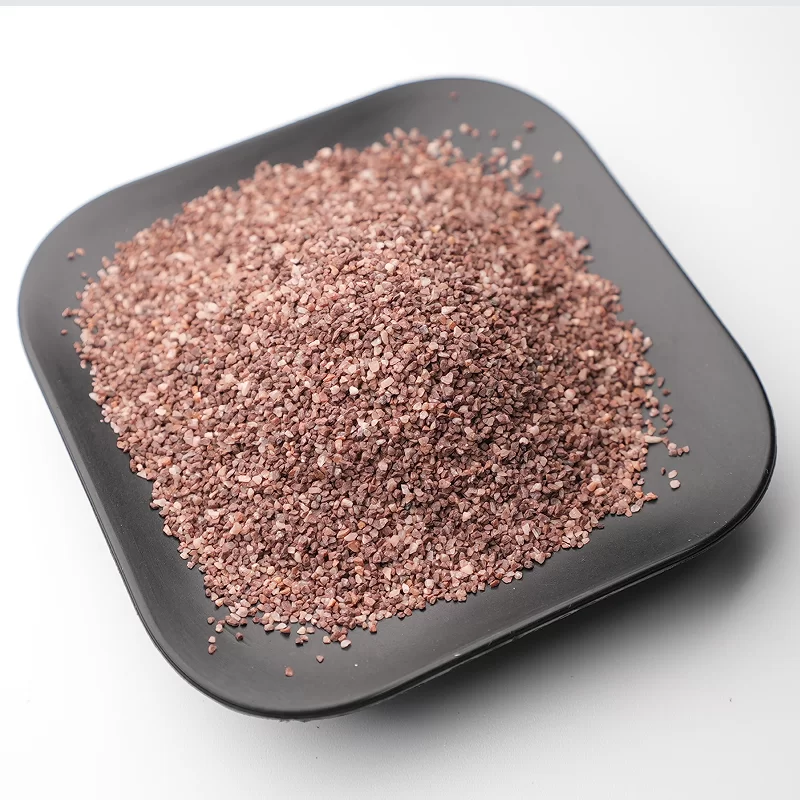
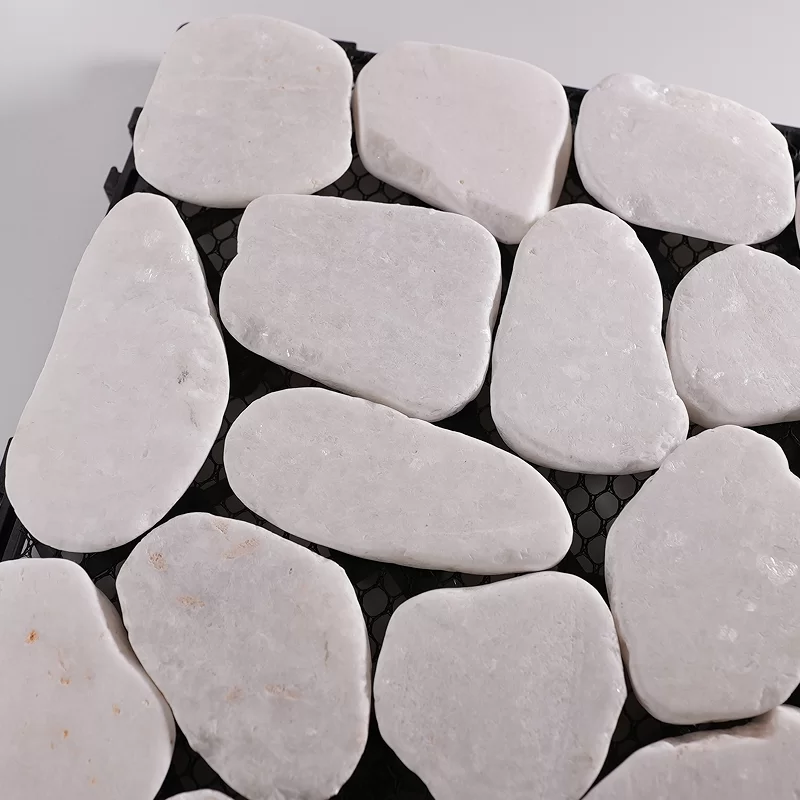
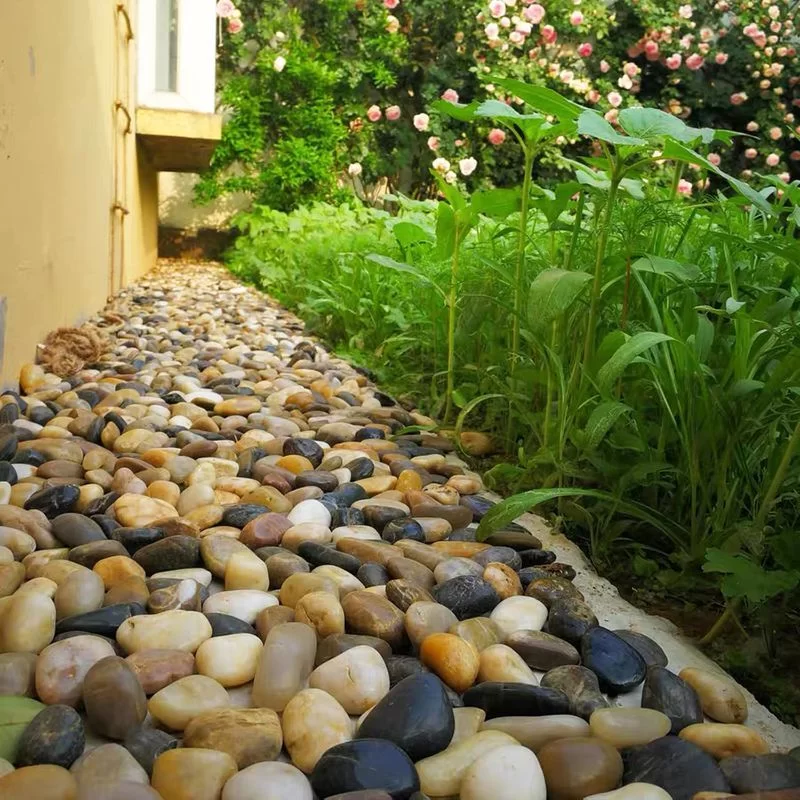
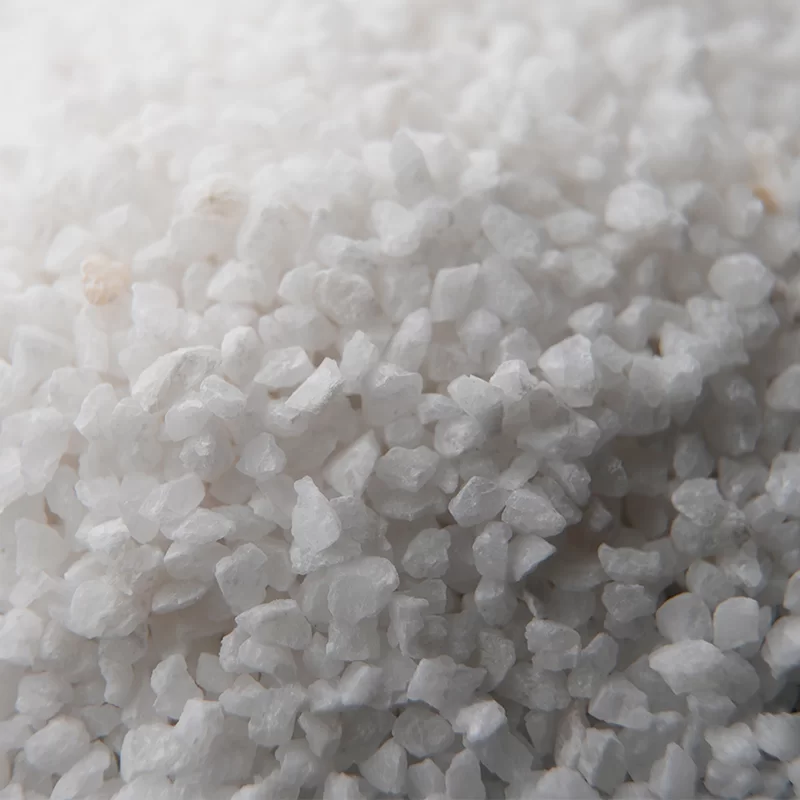
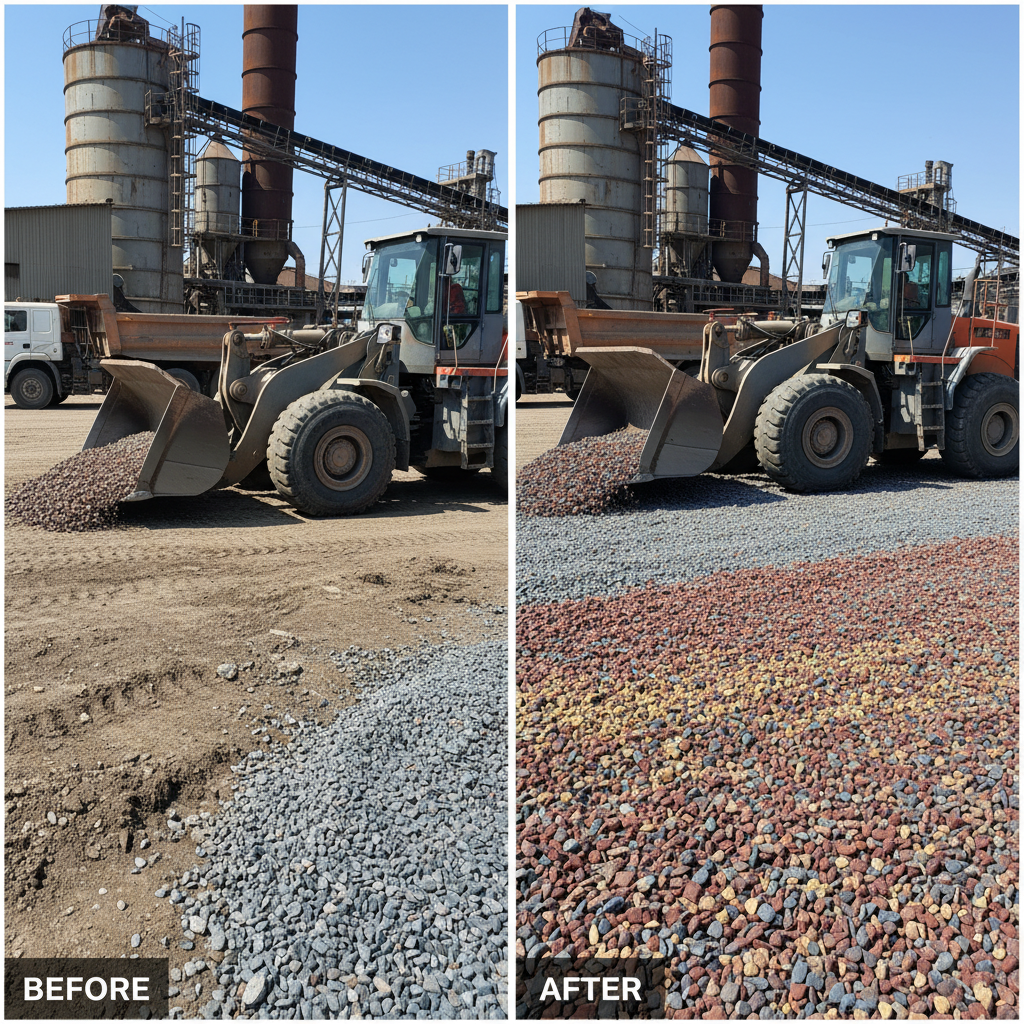
Color psychology plays a huge role in how we perceive our outdoor living spaces. By integrating colored gravel for landscaping, you can manipulate the mood of your garden. For instance, white gravel creates a clean, bright, and modern look that makes green foliage pop, while terracotta or red tones evoke a warm, Mediterranean feel. Grey and charcoal tones offer a sophisticated, industrial vibe that pairs perfectly with concrete elements and metallic accents. The versatility of these materials allows homeowners and professional designers to create high-contrast zones that guide the eye naturally through the landscape.
Design Tip: Use a light-colored gravel in shaded areas of your garden to reflect more light, making dark corners feel open and airy.
Practical Benefits of Decorative Aggregates
Beyond the beauty, the use of colored gravel for landscaping offers significant practical advantages. First, it acts as an excellent weed suppressant when paired with a high-quality landscape fabric. Second, it improves drainage by allowing rainwater to permeate the soil more effectively than solid paving, reducing the risk of puddles and erosion. Finally, colored stone is incredibly durable; unlike organic mulches that need annual replacement, stone remains intact for years, significantly lowering your long-term maintenance costs and time spent on yard work.
Comparing Types of Colored Gravel for Landscaping
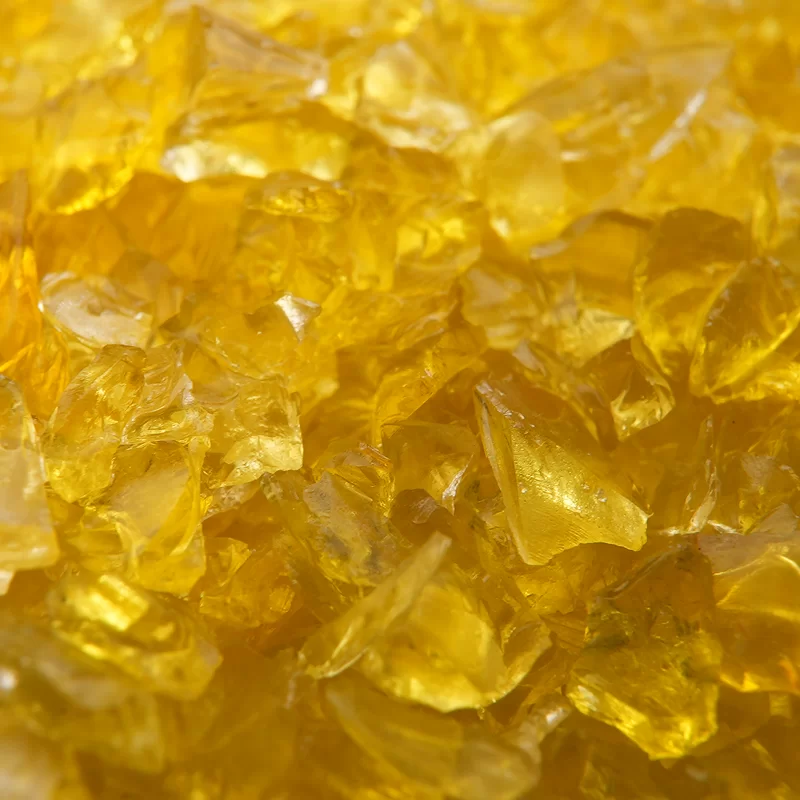
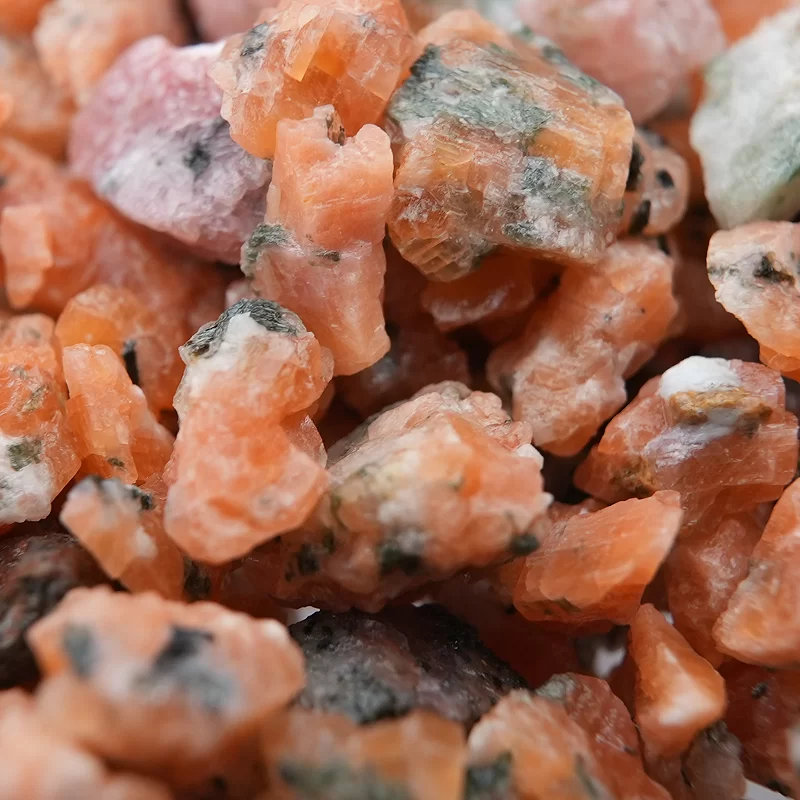
Not all gravel is created equal. Depending on whether you need a walking surface or a purely decorative border, the material composition matters. Natural stones provide an organic feel, while coated or dyed gravels offer a wider spectrum of saturated colors. When choosing the right colored gravel for landscaping, consider the foot traffic levels and the environmental exposure of the area. The following table provides a quick comparison to help you decide which material fits your project needs best.
Installation Steps for Colored Gravel
To ensure your colored gravel for landscaping looks professional and stays in place, proper installation is key. Start by clearing the area of all existing weeds and debris. Digging a shallow trench of about 2-3 inches helps the gravel sit flush with the surrounding ground. Laying a heavy-duty geotextile fabric is the most critical step; this prevents the stones from sinking into the soil and stops weeds from pushing through. Once the fabric is secure, pour the gravel evenly and rake it to a consistent depth. For high-traffic paths, consider using gravel stabilizers to prevent the stones from shifting over time.
Technical Specifications of Landscaping Stones
When ordering materials, understanding the technical specifications ensures you buy the correct volume and size. The "size" of the gravel refers to the diameter of the individual stones, which affects how the surface feels underfoot and how it drains. Small pebbles (3-6mm) are ideal for filling gaps and decorative borders, while medium gravel (10-20mm) is the standard for walkways. Below are the typical specifications for high-quality colored gravel for landscaping.
Conclusion: Redefining Your Landscape with Style
Choosing the right colored gravel for landscaping is more than just a design choice—it is an investment in your property's value and usability. From the sleek elegance of white quartz to the grounded feel of river stones, these materials provide a permanent, low-maintenance alternative to traditional ground covers. By following proper installation techniques and selecting the right particle size for your specific needs, you can create a professional-grade outdoor space that remains beautiful season after season. Let your creativity run wild and transform your garden into a sanctuary of color and texture.
Frequently Asked Questions (FAQs)
Does colored gravel fade over time in the sun?
Natural stones, such as quartz, basalt, and river pebbles, do not fade because their color is inherent to the mineral composition. However, some artificially dyed or coated gravels may experience slight fading after several years of intense UV exposure. To ensure long-lasting vibrancy, we recommend choosing high-quality, UV-stabilized coated stones or sticking with natural colored aggregates. Regular rinsing with water can also help remove dust and restore the stone's original brightness.
How much colored gravel do I need for my project?
Calculating the amount of gravel required depends on the area size and the desired depth. A general rule of thumb for colored gravel for landscaping is a depth of 2 to 3 inches (approx. 5-7.5 cm). To calculate: multiply the length by the width to get the square footage, then multiply by the depth in feet (e.g., 2 inches = 0.166 feet) to get the cubic feet. Since gravel is often sold by weight, you will need to convert cubic feet to tons based on the specific stone's density.
Can I use colored gravel around acid-loving plants?
Yes, but you must be careful about the stone type. Some stones, like limestone or marble, can leach calcium into the soil, which raises the pH level and makes the soil more alkaline. For acid-loving plants like azaleas or blueberries, it is best to use pH-neutral stones such as granite or basalt. Always check the mineral composition of your landscaping stone to ensure it complements the biological needs of your garden plants.
How do I keep my gravel from migrating into the grass?
The best way to prevent "gravel creep" is by installing a sturdy landscape edging. Options include plastic, metal, or brick borders that create a physical barrier between the gravel bed and the lawn. A recessed edge is particularly effective as it holds the stones in place even during heavy rain or when people are walking on the path. Proper compaction of the base layer also helps keep the surface level and reduces the likelihood of stones shifting outward.