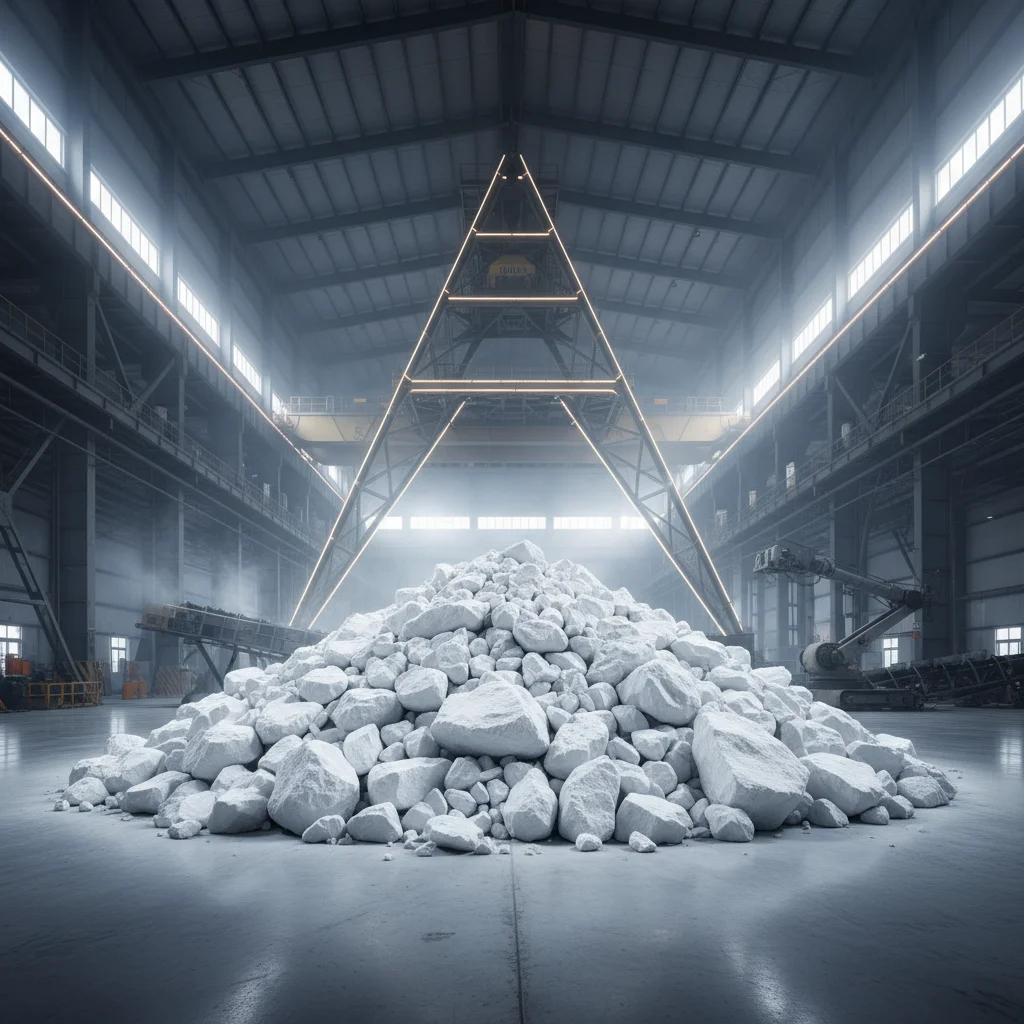
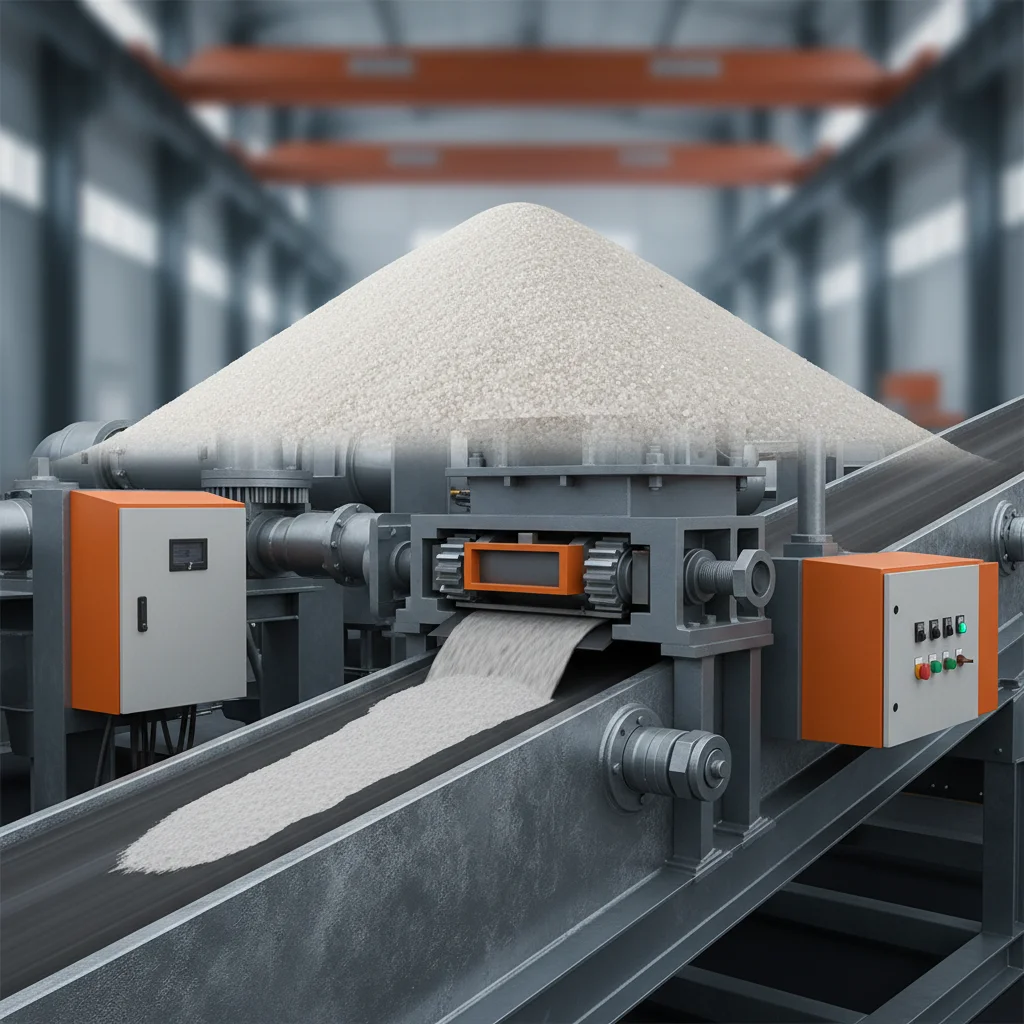
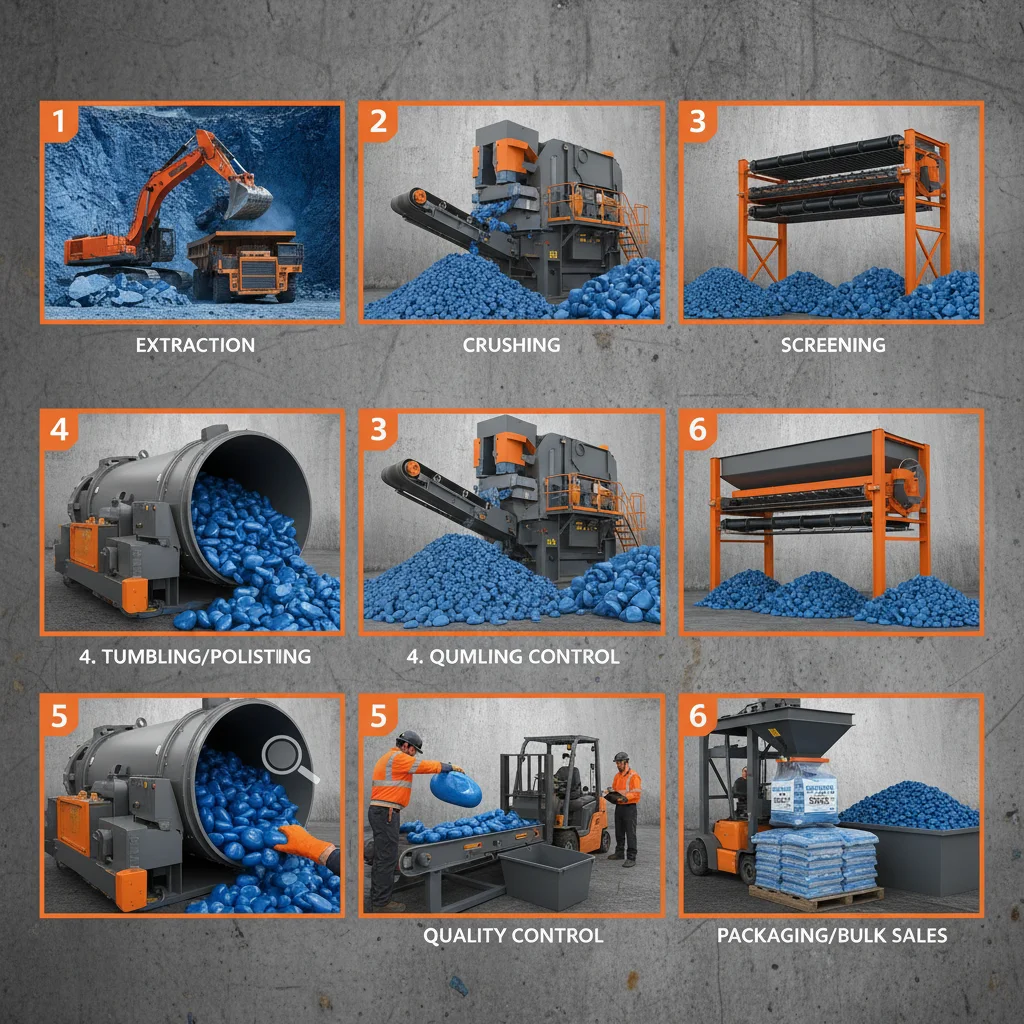
In the sophisticated landscape of industrial mineral extraction, granusil industrial quartz stands as a cornerstone material that bridges the gap between raw geological deposits and high-precision engineering. Its unique chemical stability and physical hardness make it indispensable for a wide array of manufacturing processes, from glass production to advanced filtration systems. Understanding the nuances of this material is not merely a technical requirement but a strategic advantage for companies aiming to optimize their production yield and product longevity.
Globally, the demand for high-purity silica sources has surged as industries pivot toward more sustainable and durable materials. The integration of granusil industrial quartz allows for the creation of surfaces and components that resist thermal shock and chemical erosion, which are critical in heavy-duty industrial environments. By mastering the application of this specialized quartz, enterprises can significantly reduce operational downtime and material waste.
Whether utilized in the form of fine powders for ceramics or coarse grains for construction, the versatility of this mineral ensures its relevance across diverse sectors. This guide explores the technical dimensions, global applications, and future trajectories of granusil industrial quartz, providing a comprehensive blueprint for engineers, procurement officers, and industrial designers seeking to leverage its full potential.
Global Relevance and Industry Context of Granusil Industrial Quartz
The global industrial landscape is currently witnessing a paradigm shift toward materials that offer extreme purity and structural reliability. granusil industrial quartz has emerged as a critical resource in this transition, particularly within the non-metallic mining sector. With ISO standards pushing for tighter tolerances in material composition, the ability to source quartz with consistent grain size and low impurity levels is no longer an option but a necessity for high-tech manufacturing.
Current data suggests that the demand for high-grade silica is growing at a CAGR of nearly 5% in emerging markets, driven largely by the expansion of the semiconductor and renewable energy sectors. The primary challenge facing the industry is the depletion of easily accessible high-purity deposits, making the specialized processing of granusil industrial quartz essential to maintain the global supply chain for precision glass and electronics.
Defining the Technical Properties of Granusil Industrial Quartz
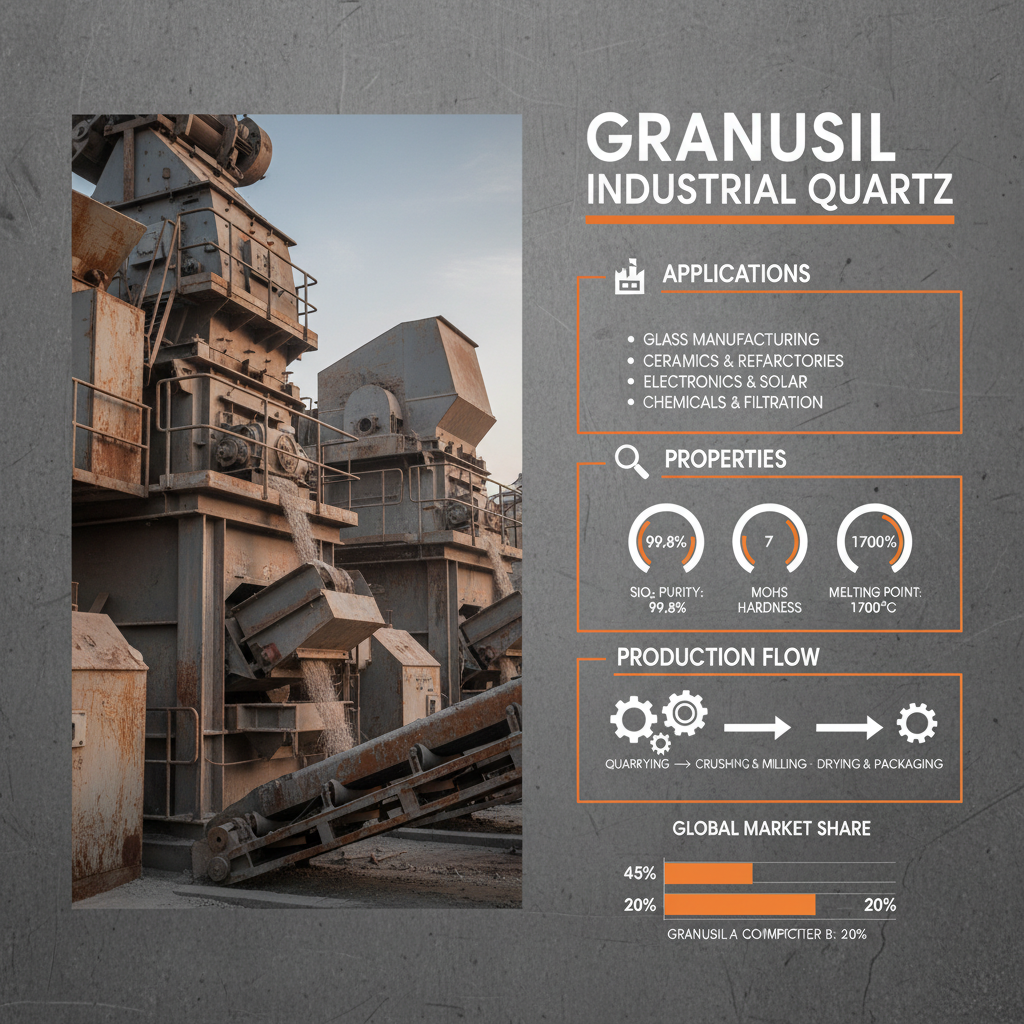
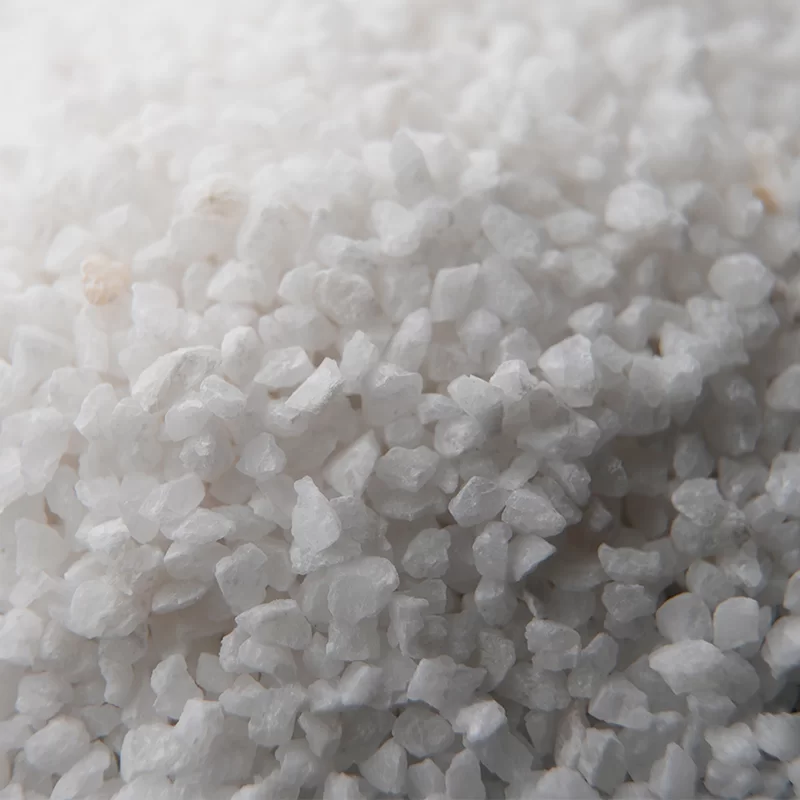
In simple terms, granusil industrial quartz is a high-purity crystalline silica that has been meticulously processed to remove iron oxides and other metallic contaminants. Unlike standard construction sand, this industrial-grade material is characterized by its exceptional hardness (7 on the Mohs scale) and its ability to remain chemically inert even when exposed to aggressive acids or high thermal loads.
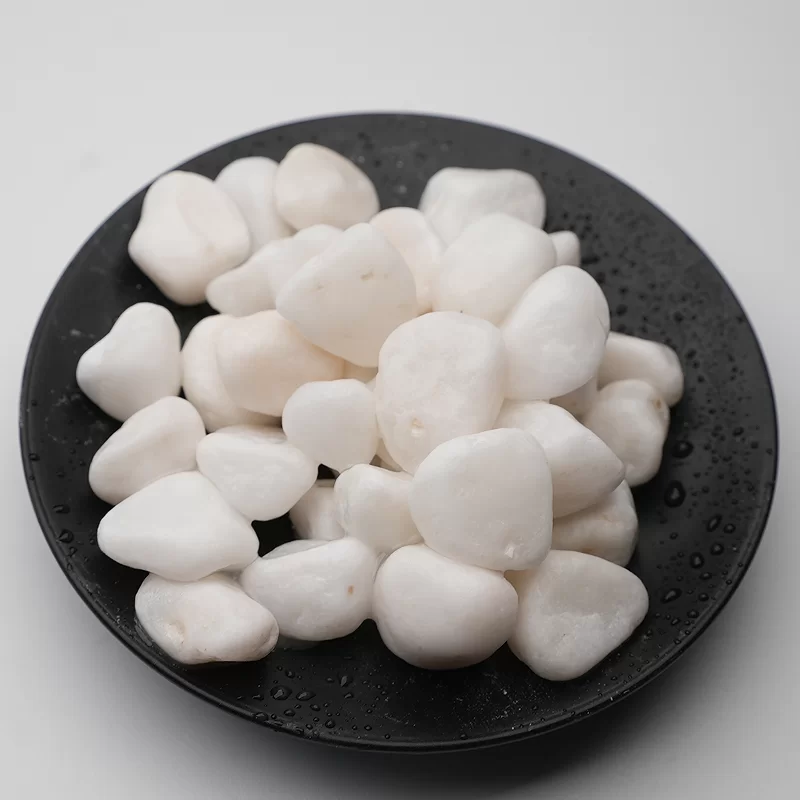
Its connection to modern industry is profound; it serves as the fundamental building block for everything from the fiber optic cables that power the internet to the heat-resistant crucibles used in metal smelting. By providing a stable molecular structure, it ensures that finished products—such as decorative pebbles or industrial powders—retain their integrity under extreme environmental stress.
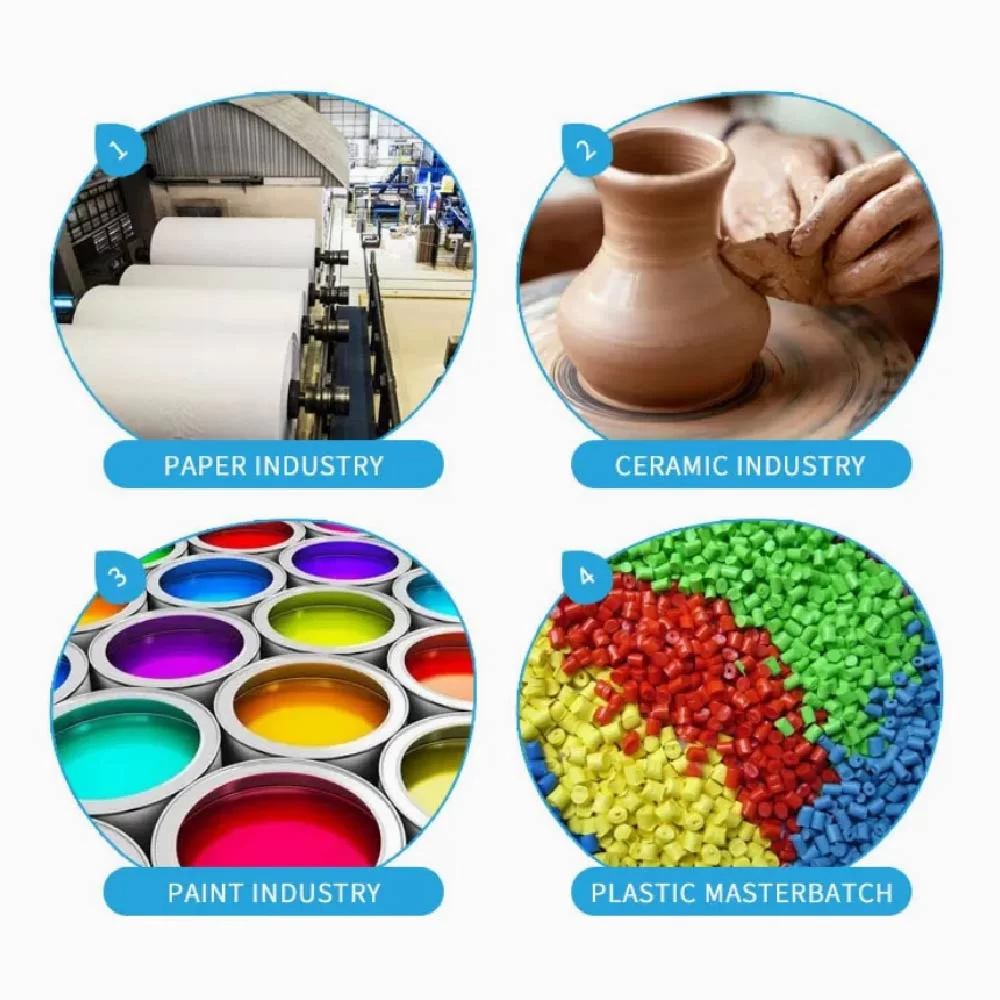
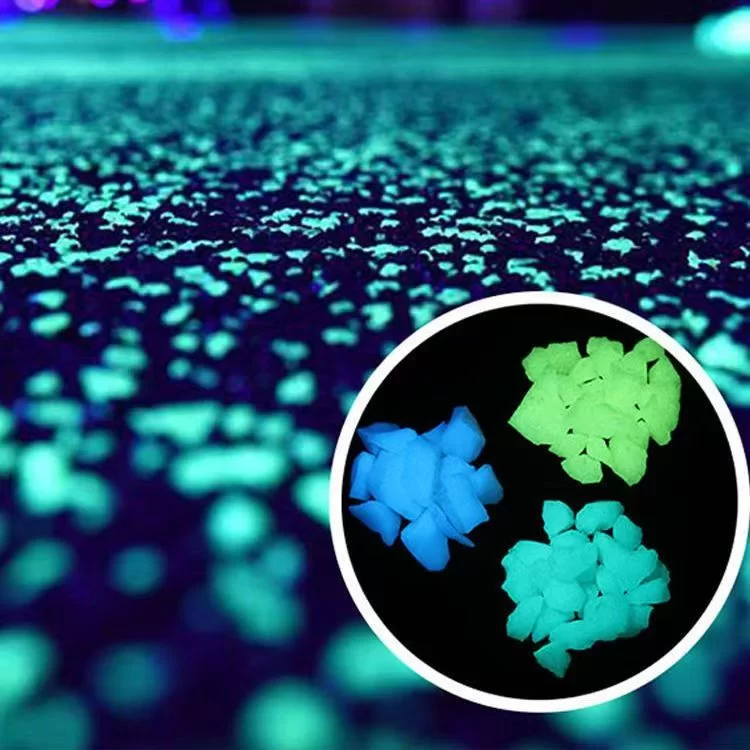
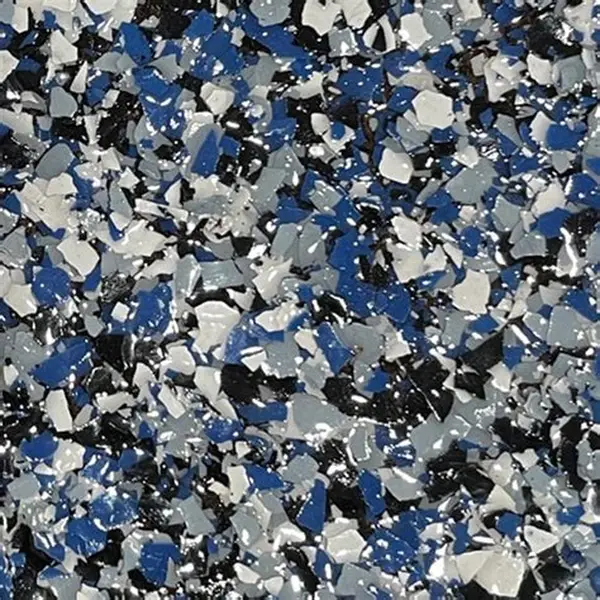
Furthermore, the "industrial" designation implies a rigorous grading process. This means that granusil industrial quartz is available in specific mesh sizes, ensuring that whether it is used as a filler in epoxy flakes or as a base for luminous materials, the distribution of particles is perfectly uniform, preventing structural weak points in the final application.
Core Components and Performance Factors
The efficacy of granusil industrial quartz is primarily determined by its chemical purity. The concentration of SiO2 must be kept at an ultra-high level to prevent discoloration in glass production and to ensure the dielectric strength required for electronic components. This purity is the bedrock of the material's reliability.
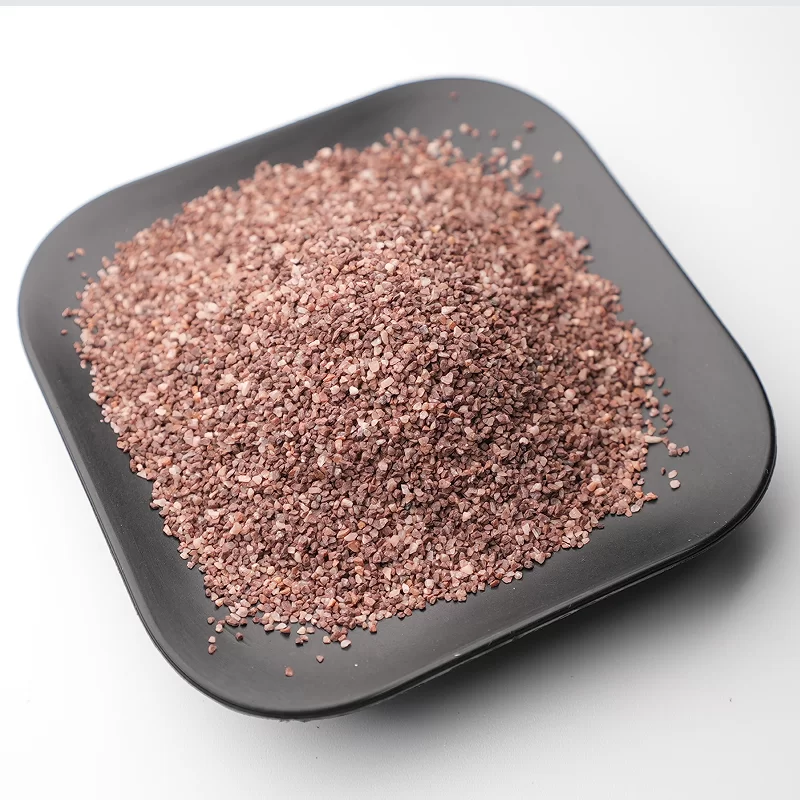
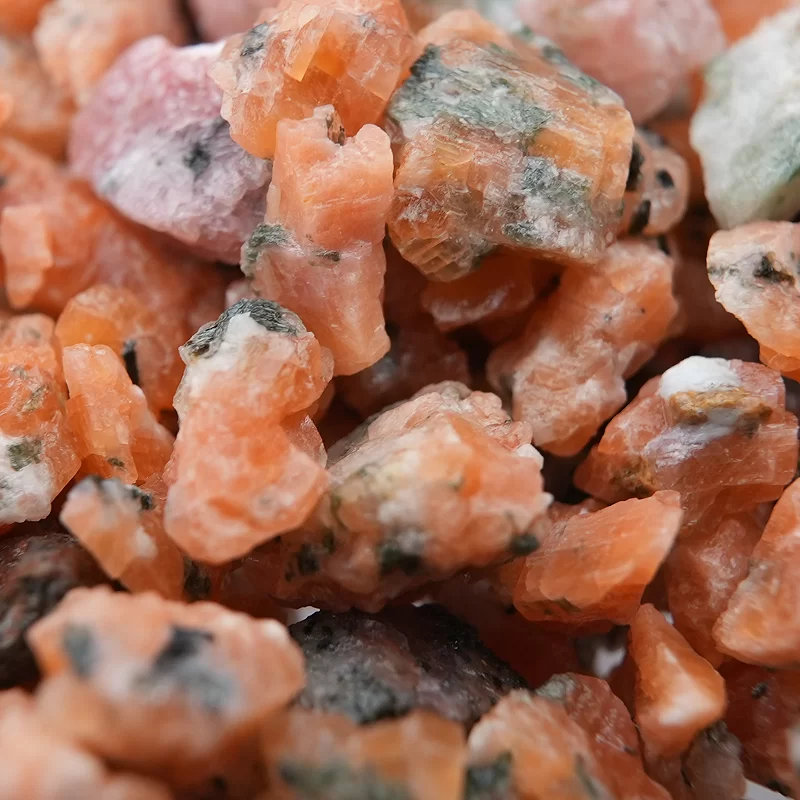
Another critical factor is the grain morphology. The angularity and sphericity of granusil industrial quartz particles influence how they pack together in a mixture. For instance, in the production of Emery Sand or Epoxy Flakes, the interlocking nature of angular grains provides superior mechanical bonding and wear resistance.
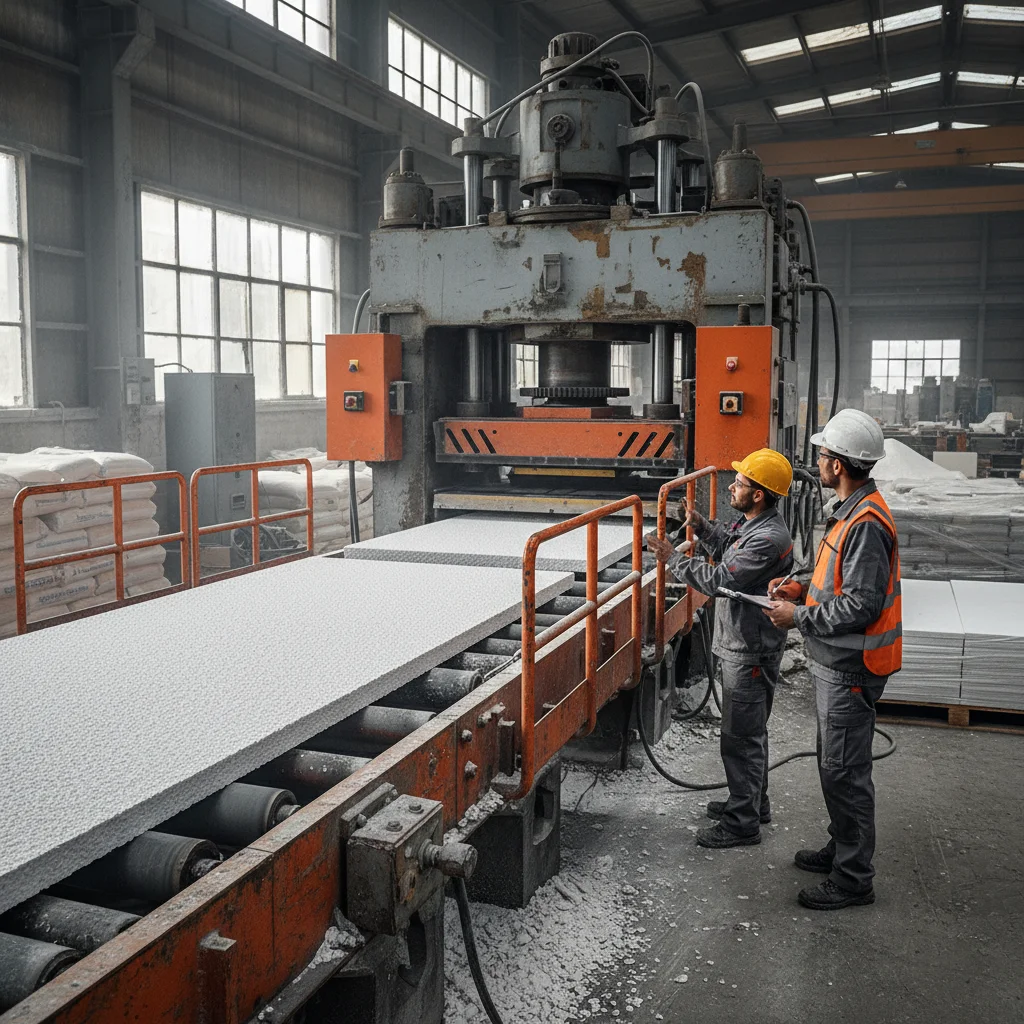
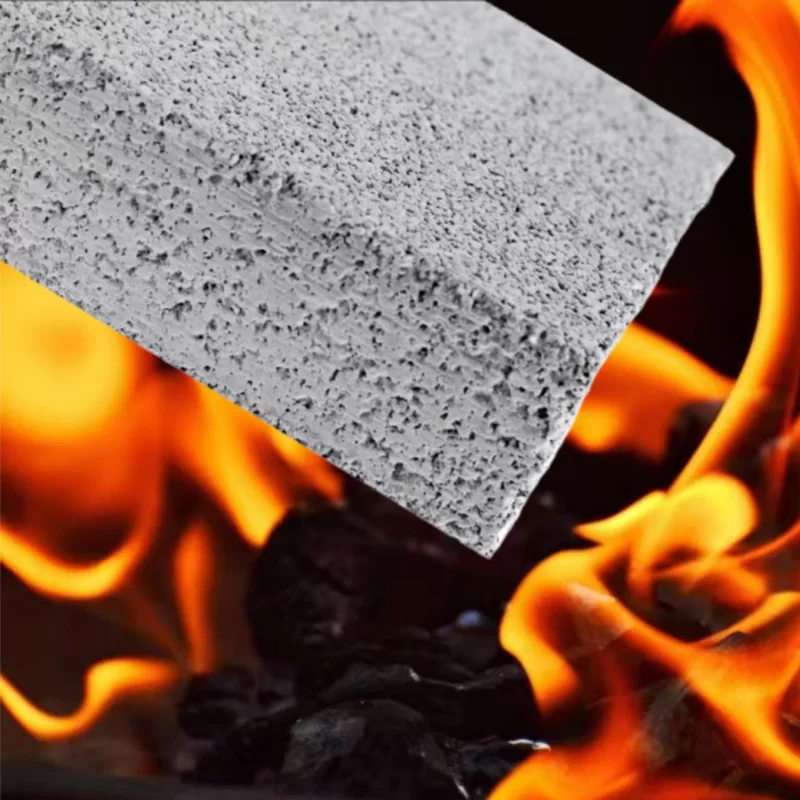
Lastly, thermal stability plays a pivotal role. granusil industrial quartz possesses a low coefficient of thermal expansion, meaning it does not expand or contract significantly during temperature swings. This makes it the ideal candidate for high-temperature industrial linings and specialized ceramic boards.
Global Applications and Sector Use Cases
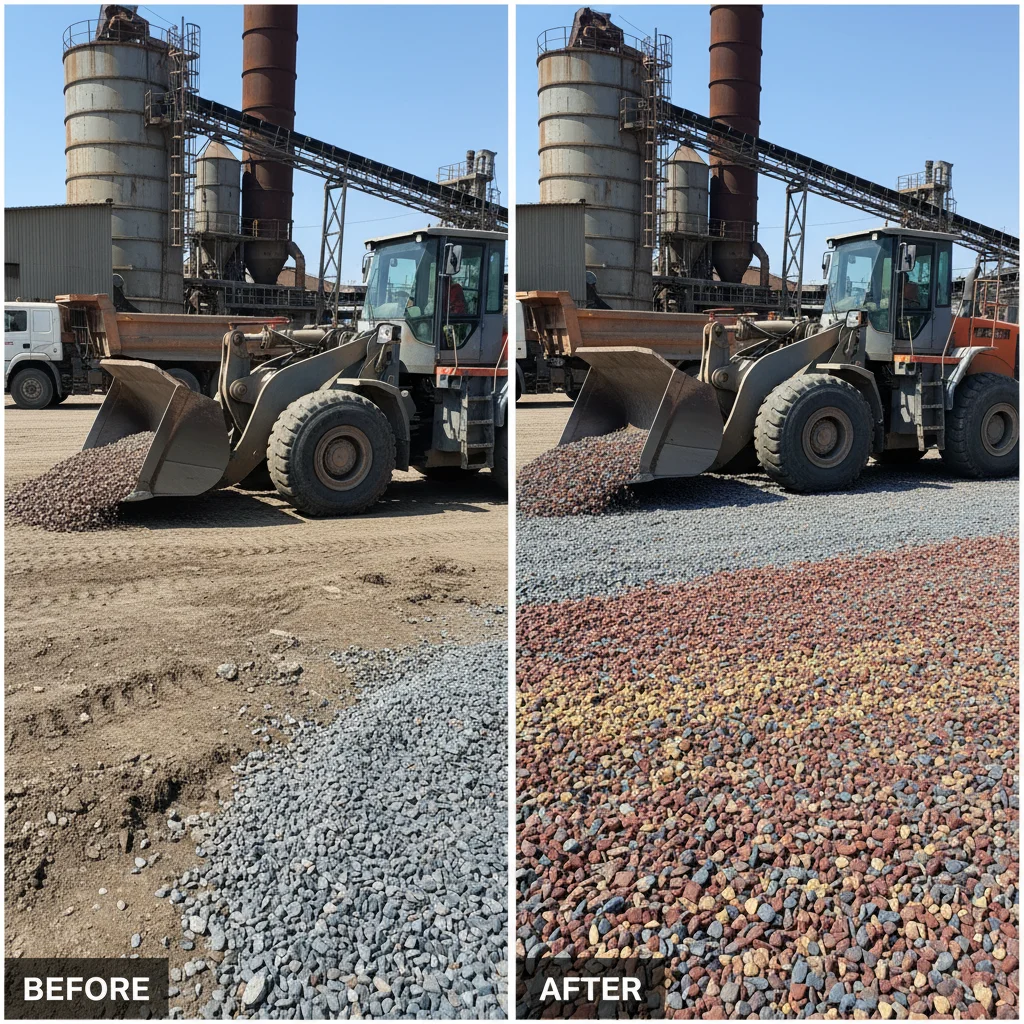
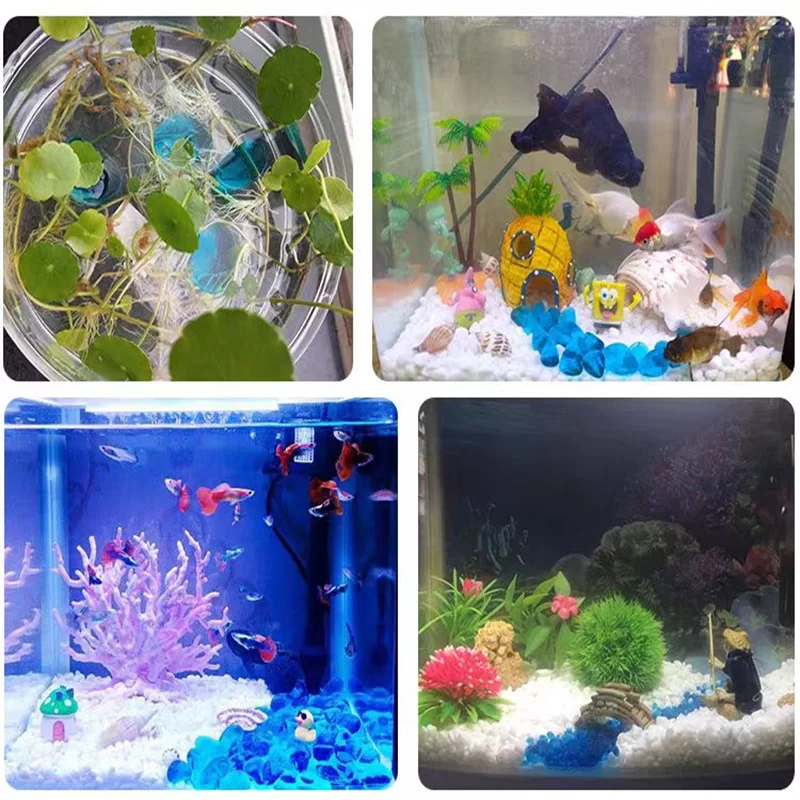
The application of granusil industrial quartz spans across nearly every continent, adapting to the specific industrial strengths of each region. In North America and Europe, it is heavily utilized in the precision optics and aerospace industries, where the purity of the silica is paramount for lens clarity and heat shielding. Meanwhile, in the Asia-Pacific region, the focus is often on large-scale construction and decorative arts, integrating the material into high-end mosaic and natural colored sand products.
In practical scenarios, such as the reinforcement of industrial flooring, the material is blended into epoxy resins to create slip-resistant, diamond-hard surfaces. In remote industrial zones, where equipment is exposed to harsh abrasive environments, granusil industrial quartz is used as a blasting medium to clean heavy machinery without contaminating the metal substrate.
Comparative Performance of Granusil Industrial Quartz Variations
Long-Term Value and Sustainability Advantages
Investing in high-quality granusil industrial quartz offers significant long-term economic value. By reducing the frequency of replacement for industrial components, companies can lower their total cost of ownership (TCO). The extreme durability of quartz-based materials means that floors, filters, and molds last years longer than those made from inferior substitutes, directly impacting the bottom line.
From a sustainability perspective, the use of granusil industrial quartz aligns with green building certifications. Because it is a natural mineral with a long lifecycle, it reduces the need for synthetic, petroleum-based fillers. Furthermore, the efficiency gains in thermal insulation provided by quartz-based boards contribute to lower energy consumption in industrial heating and cooling systems.
Future Trends and Technological Innovations
The future of granusil industrial quartz is being shaped by the rise of digital fabrication and additive manufacturing. We are seeing the emergence of "engineered quartz" where the raw material is combined with nano-binders to create surfaces that are virtually indestructible and antimicrobial. This is particularly relevant for the healthcare and food processing industries.
Automation in the mining and sorting process is also revolutionizing the industry. Advanced AI-driven optical sorters can now identify and remove impurities from granusil industrial quartz in real-time, ensuring a level of purity that was previously unattainable through traditional chemical leaching. This not only increases the quality but also reduces the environmental footprint of the refining process.
Additionally, the integration of quartz into green energy technology is expanding. As the world shifts toward silicon-based solar panels and high-capacity batteries, the demand for the ultra-pure precursors derived from granusil industrial quartz will continue to accelerate, positioning it as a strategic mineral for the 21st-century energy transition.
Implementation Challenges and Expert Solutions
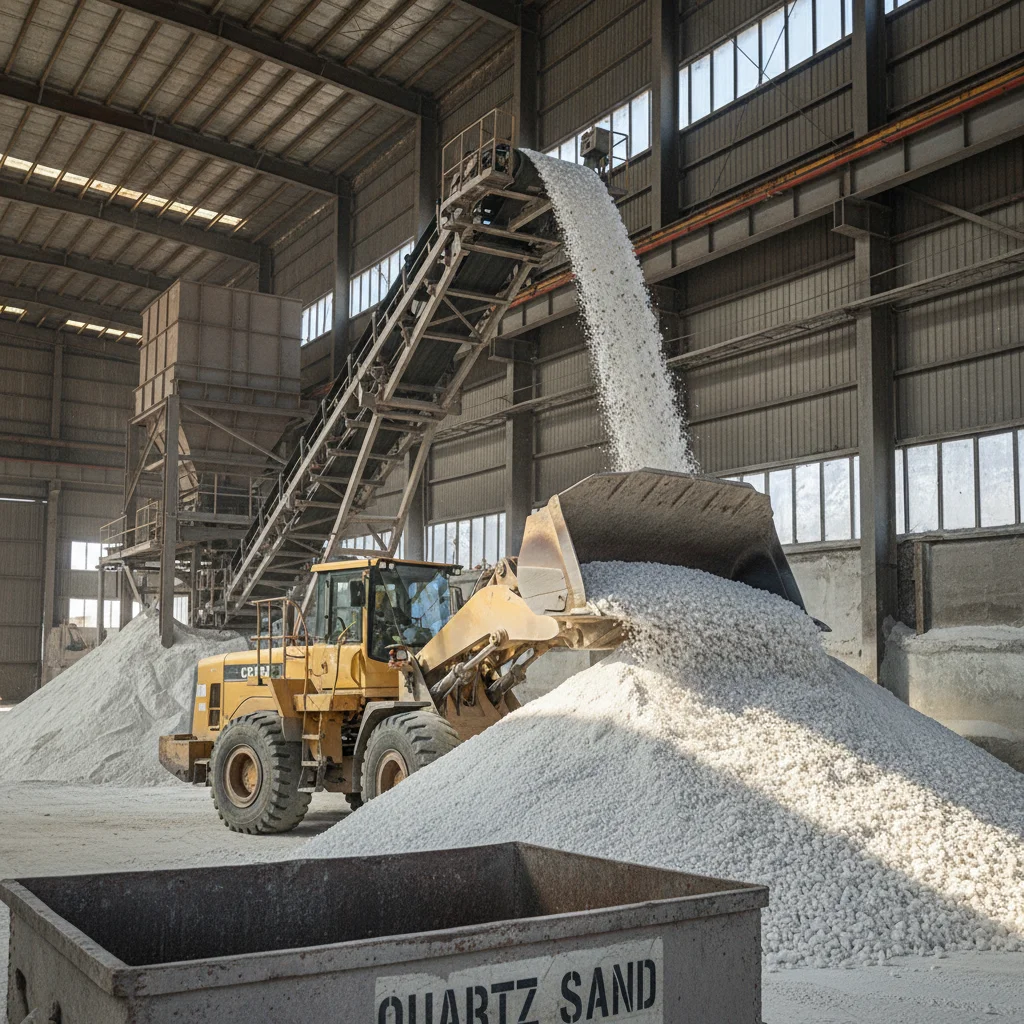
One of the primary challenges in implementing granusil industrial quartz is the risk of contamination during transport and storage. Even a small amount of iron dust can ruin a batch of high-purity silica, leading to failure in precision glass applications. To solve this, industry experts recommend the use of sealed, polymer-lined containers and dedicated handling equipment to maintain the material's integrity.
Another common hurdle is the precise calibration of grain size for specific industrial uses. Using a quartz grain that is too coarse in a fine-powder application can lead to structural voids and uneven surfaces. The solution lies in the adoption of standardized sieve analysis and the procurement of materials that come with certified particle size distribution (PSD) reports.
Finally, the cost of high-purity granusil industrial quartz can be higher than that of standard sand. However, an expert approach involves calculating the "performance-to-cost ratio." By analyzing the reduction in maintenance costs and the increase in product lifespan, it becomes clear that the premium paid for high-grade quartz is an investment that yields a high return.
Analysis of Granusil Industrial Quartz Performance Across Dimensions
| Material Grade |
Purity Level (SiO2 %) |
Wear Resistance |
Thermal Stability |
| Standard Industrial |
98.5% |
High |
Moderate |
| Premium Grade |
99.2% |
Very High |
High |
| Ultra-Pure Grade |
99.9% |
Extreme |
Extreme |
| Fine Powder Mix |
98.0% |
Moderate |
Moderate |
| Coarse Grit Mix |
98.8% |
Extreme |
High |
| Specialized Fused |
99.5% |
High |
Extreme |
FAQS
The superiority lies in the purity and the processing. Granusil industrial quartz undergoes rigorous refining to remove contaminants like iron and aluminum, which can cause structural defects or discoloration in industrial products. Additionally, it is available in precisely controlled grain sizes, ensuring consistent performance in high-precision applications like electronics and high-end flooring.
Yes, it is an excellent choice for sustainable building. Being a natural mineral, it reduces the reliance on synthetic polymer fillers. When used in high-durability surfaces or insulation boards, it extends the lifecycle of the building components, thereby reducing the frequency of replacement and the overall carbon footprint of the construction project.
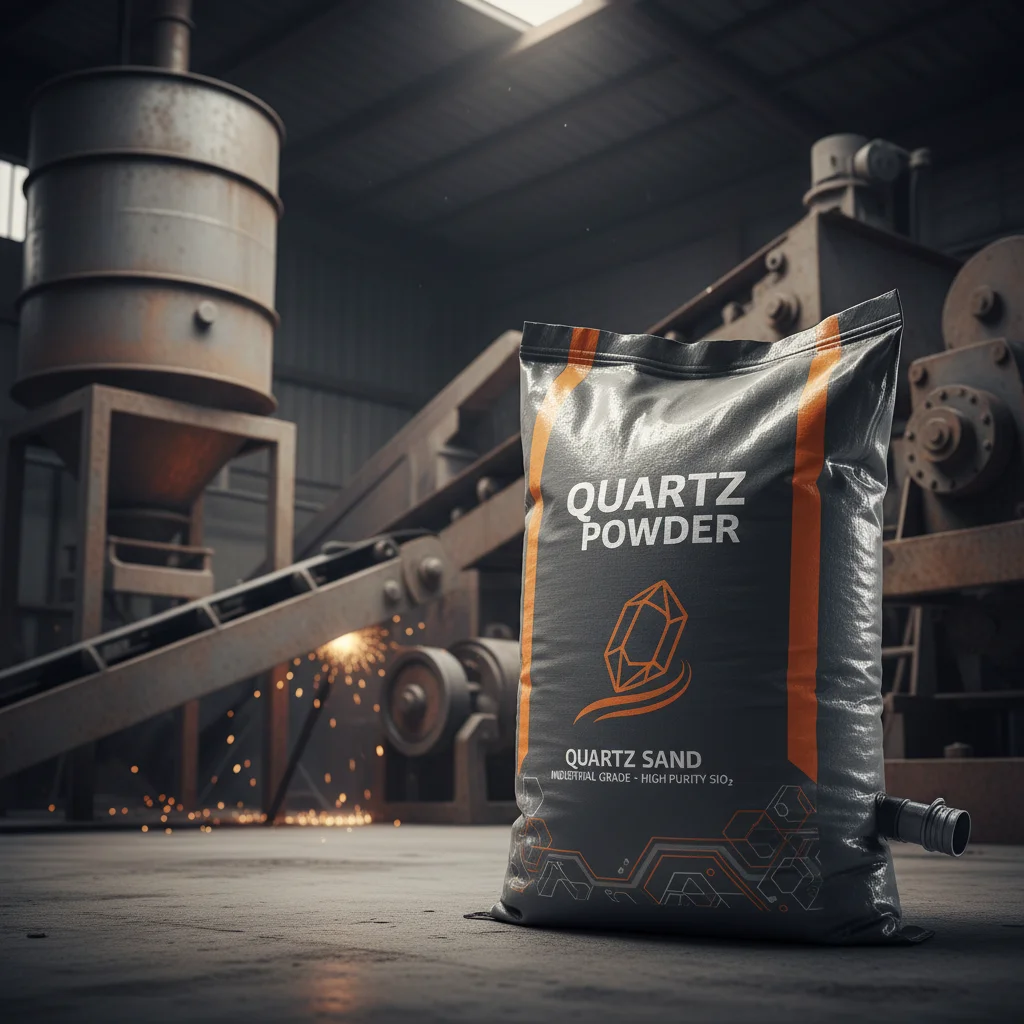
To maintain the high purity of granusil industrial quartz, it should be stored in moisture-proof, sealed containers, preferably polymer-lined bags or stainless steel silos. It is critical to keep the material away from iron-based tools or machinery that can shed metallic particles, as even trace amounts of contamination can compromise the quality of the final industrial product.
Generally, yes. Because of its chemically inert nature, granusil industrial quartz is compatible with most epoxy, polyurethane, and acrylic resins. Its surface texture allows for an excellent mechanical bond, making it an ideal aggregate for industrial flooring, anti-slip coatings, and decorative epoxy flakes.
The grain size is verified using standard sieve analysis (ASTM or ISO standards). This process involves passing the material through a series of meshes with decreasing aperture sizes to determine the percentage of particles in each size fraction. Reputable suppliers provide a Particle Size Distribution (PSD) chart to ensure the material meets the client's specific technical requirements.
While it depends on the application, products utilizing granusil industrial quartz typically exhibit a lifespan 2-3 times longer than those using standard fillers. In industrial flooring, for example, the extreme hardness of the quartz significantly reduces abrasive wear, allowing the surface to remain intact even under heavy machinery traffic for many years.
Conclusion
In summary, granusil industrial quartz is far more than just a raw mineral; it is a high-performance engineering material that drives efficiency and durability across a multitude of sectors. From its critical role in ultra-pure glass and electronics to its strength in industrial flooring and construction, the material's unique combination of chemical purity, thermal stability, and mechanical hardness makes it an indispensable asset for modern industry.
Looking ahead, the integration of AI-driven refining and the push toward sustainable, long-life materials will only increase the significance of high-grade quartz. For companies looking to optimize their production and embrace a future of precision and sustainability, transitioning to certified granusil industrial quartz is a strategic imperative. Visit our website for more information: www.cnfloormaterials.com