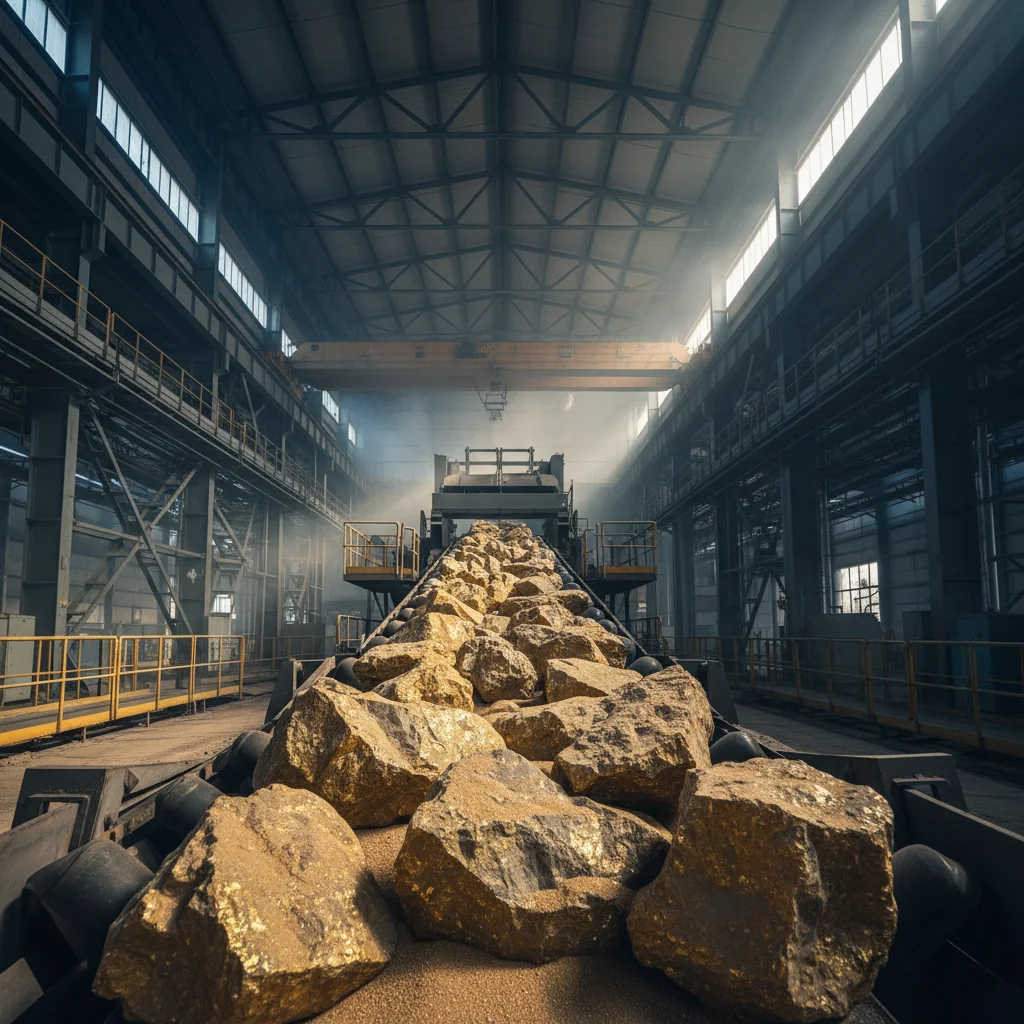
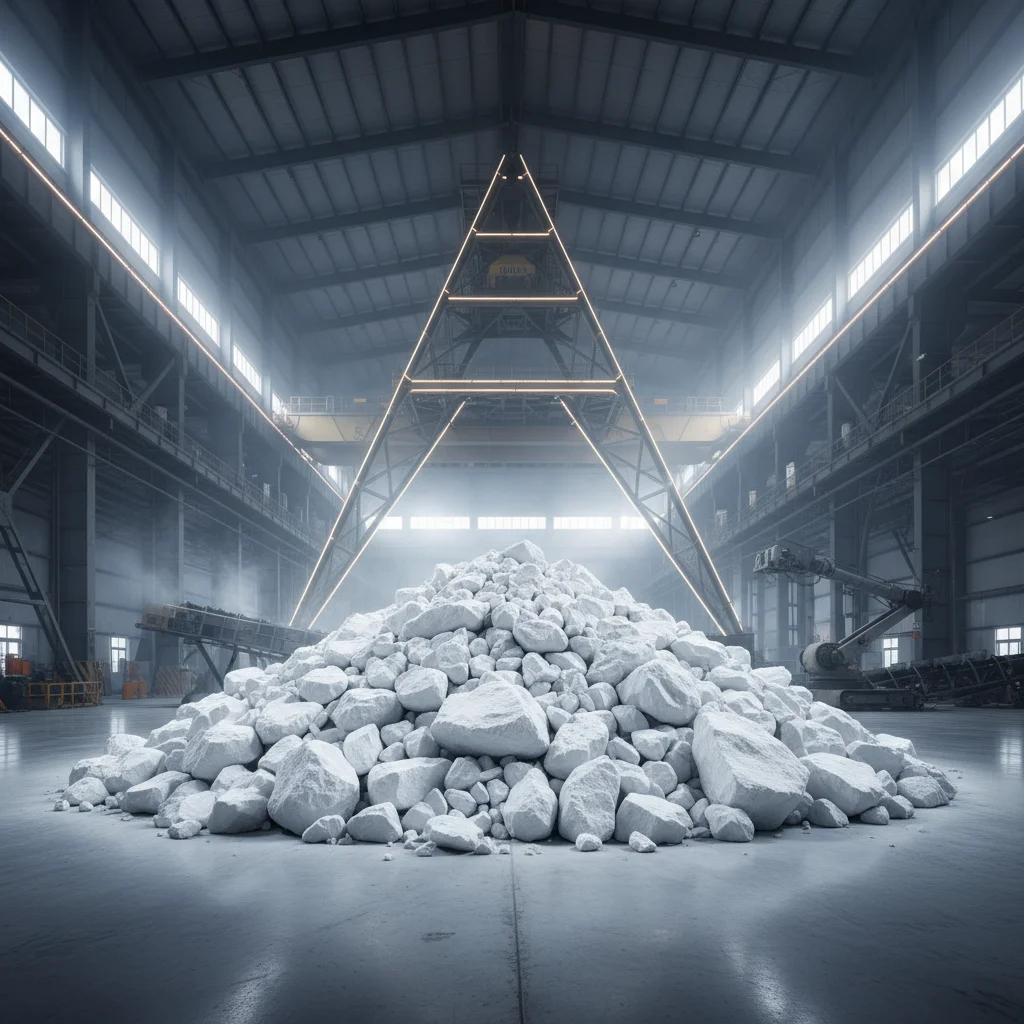
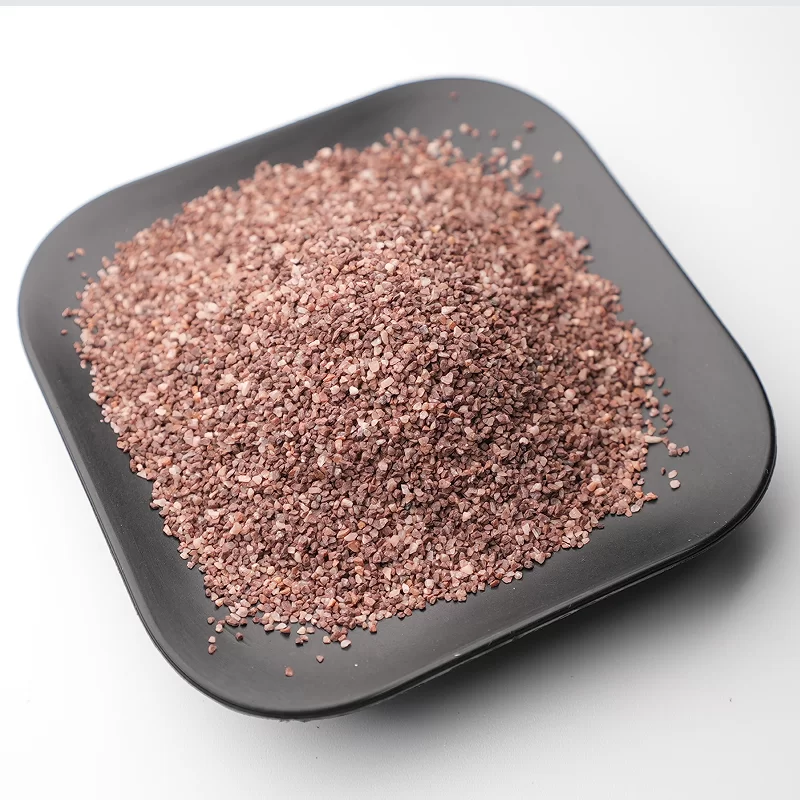
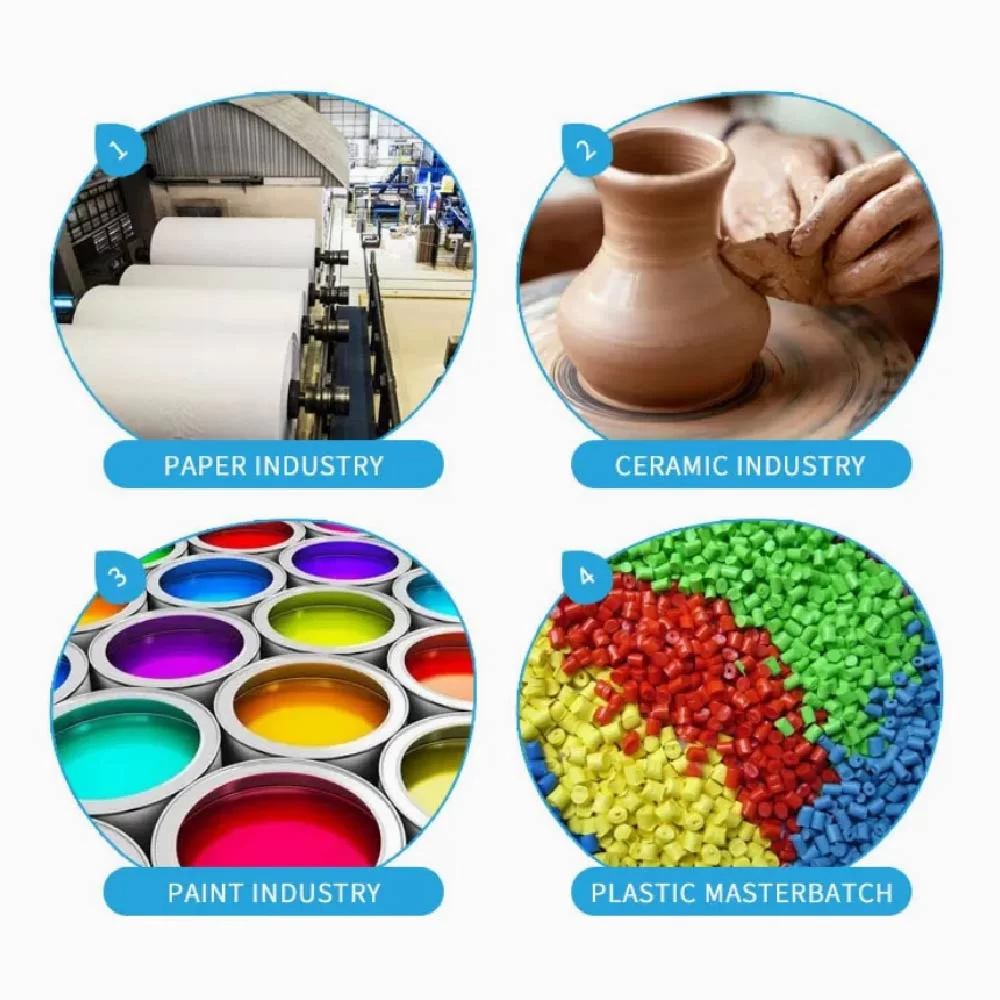
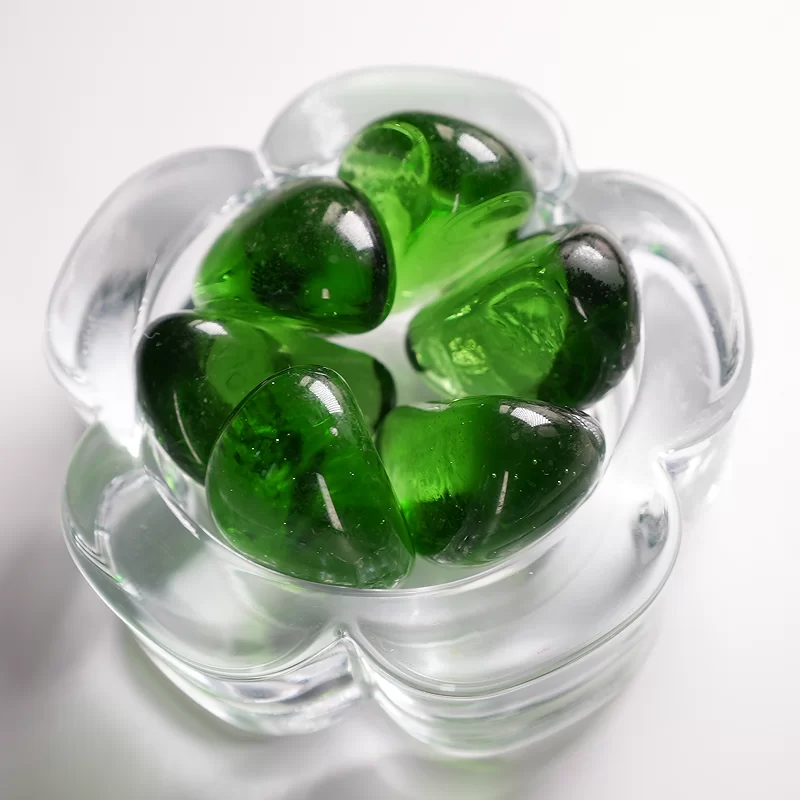
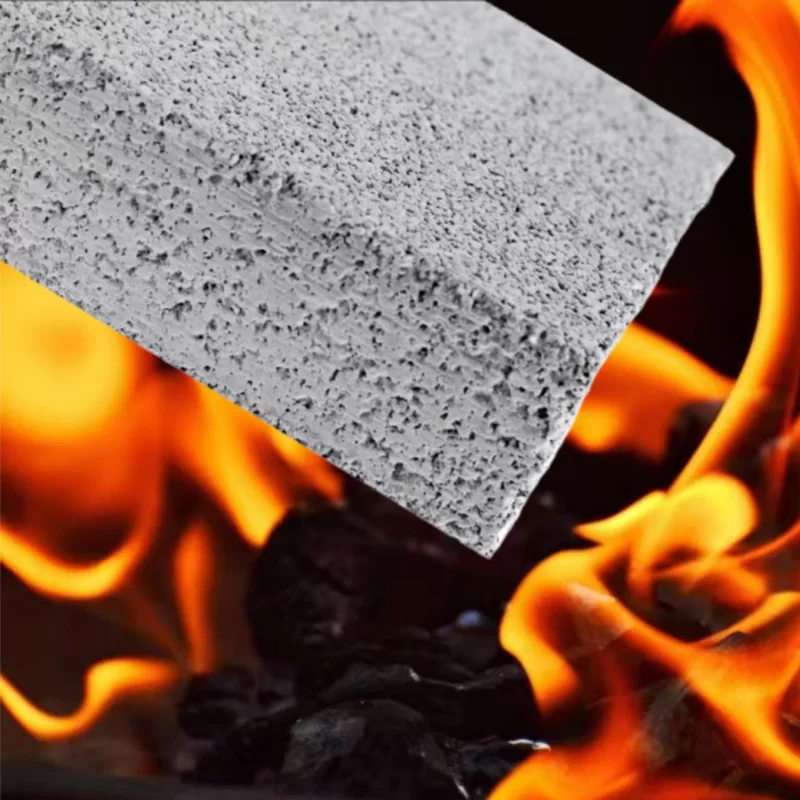
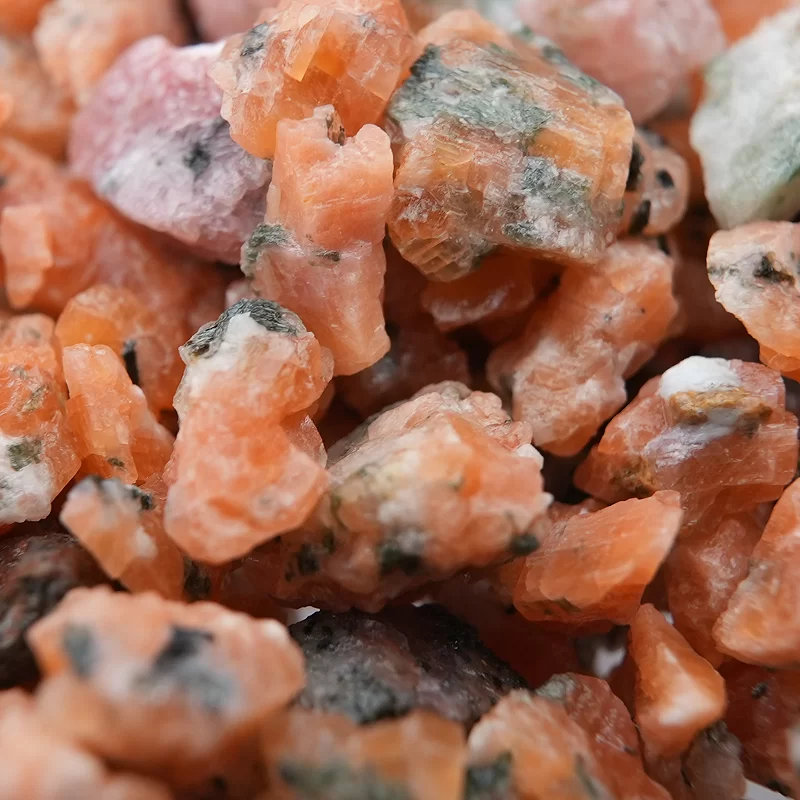
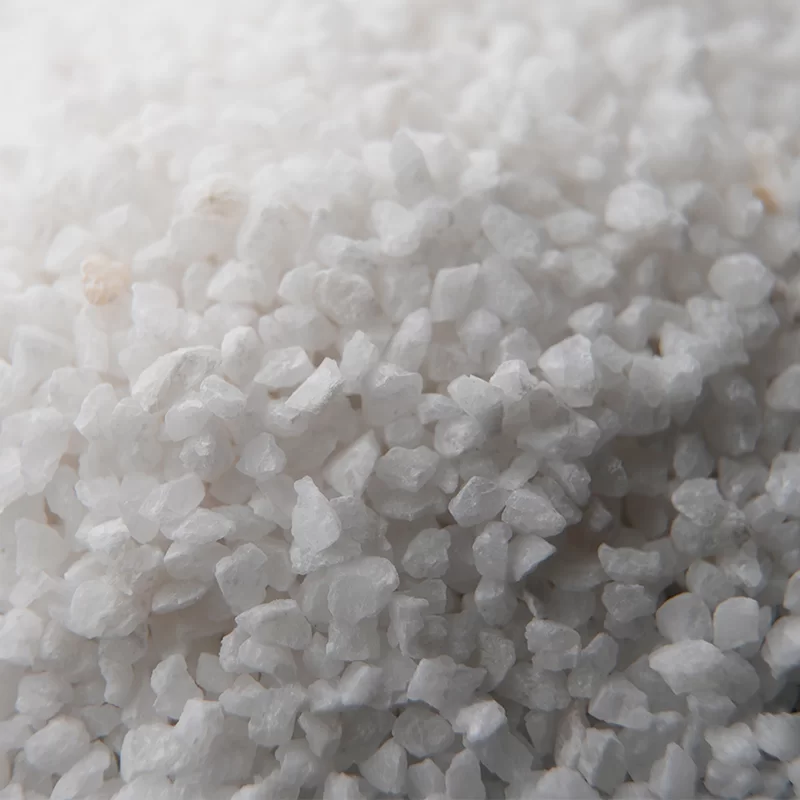
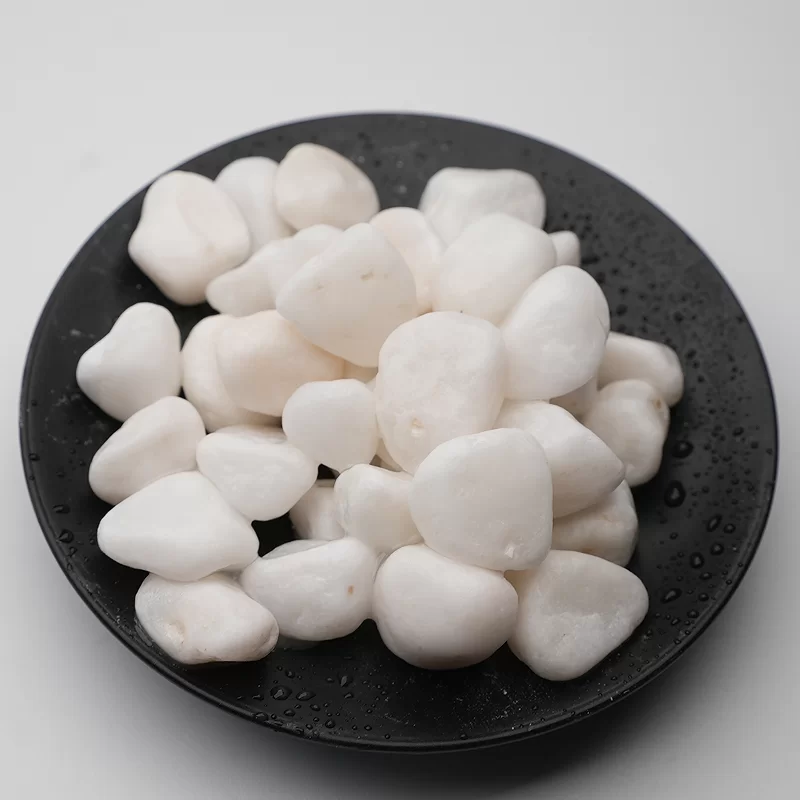
Dry quartz sand, a granular material composed of silica, plays a pivotal role in a diverse array of industries worldwide. From glass manufacturing and foundry casting to construction and filtration, its unique properties – chemical inertness, thermal stability, and abrasive qualities – make it an indispensable component in countless applications. Understanding the characteristics and sourcing of dry quartz sand is crucial for optimizing processes and ensuring product quality across numerous sectors.
The global demand for dry quartz sand is continuously increasing, driven by rapid urbanization, infrastructure development, and expanding industrial output, particularly in emerging economies. However, sustainable sourcing and environmental considerations are becoming increasingly important. Concerns over silica dust exposure and the ecological impact of sand mining necessitate responsible extraction practices and the exploration of alternative materials.
This detailed exploration will delve into the properties, applications, advantages, and future trends surrounding dry quartz sand, offering valuable insights for professionals, researchers, and anyone seeking a comprehensive understanding of this fundamental material. We'll also explore the challenges associated with its use and potential solutions to ensure responsible and sustainable utilization.
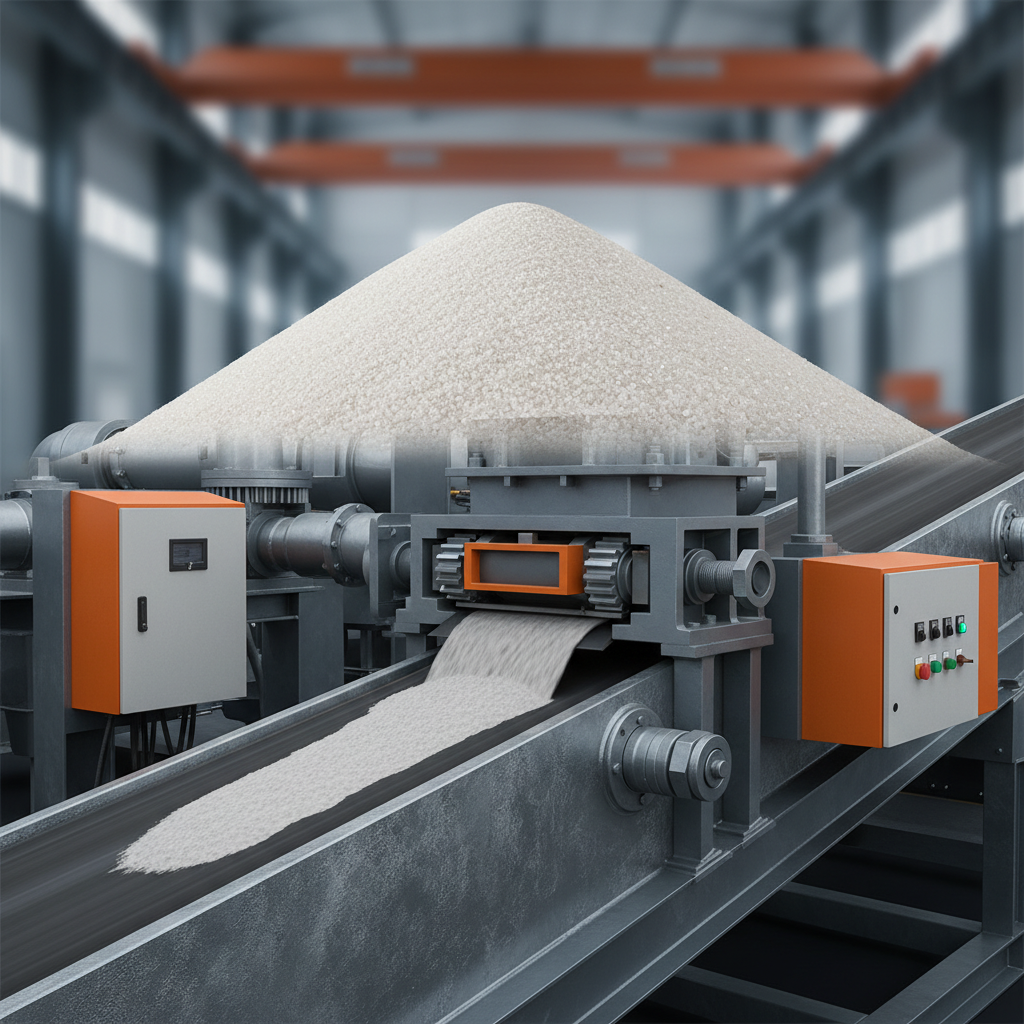
The Significance of Dry Quartz Sand
Dry quartz sand isn’t merely a component; it’s a foundational material underpinning numerous modern industries. Its consistent chemical composition and physical properties allow for predictable performance in diverse applications. The escalating global demand reflects its crucial role in supporting economic growth and technological advancement.
Sourcing dry quartz sand responsibly is now paramount. Depletion of natural resources, along with the environmental impact of mining, demands innovative approaches – from optimizing extraction techniques to exploring alternative materials and enhancing recycling efforts. The long-term sustainability of industries dependent on this resource hinges on adopting environmentally conscious practices.
Defining Dry Quartz Sand: Composition and Properties
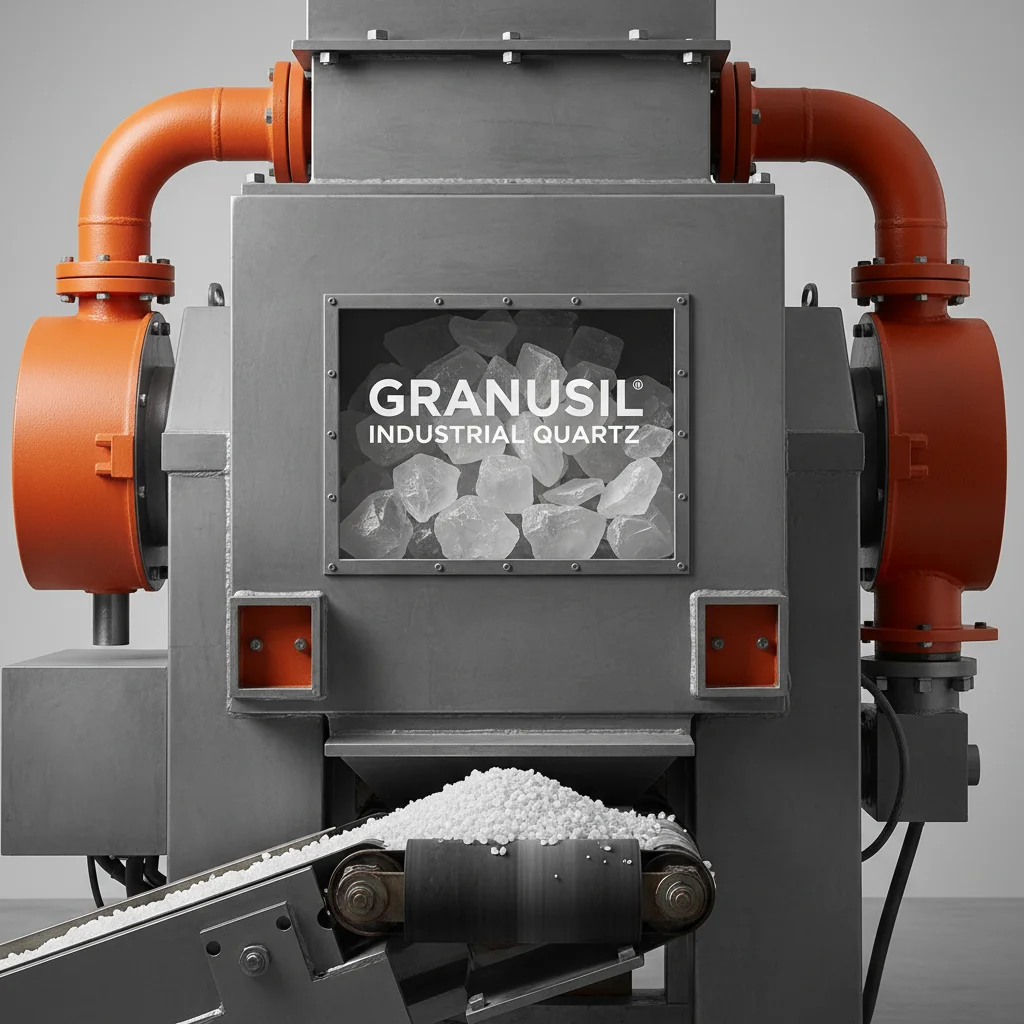
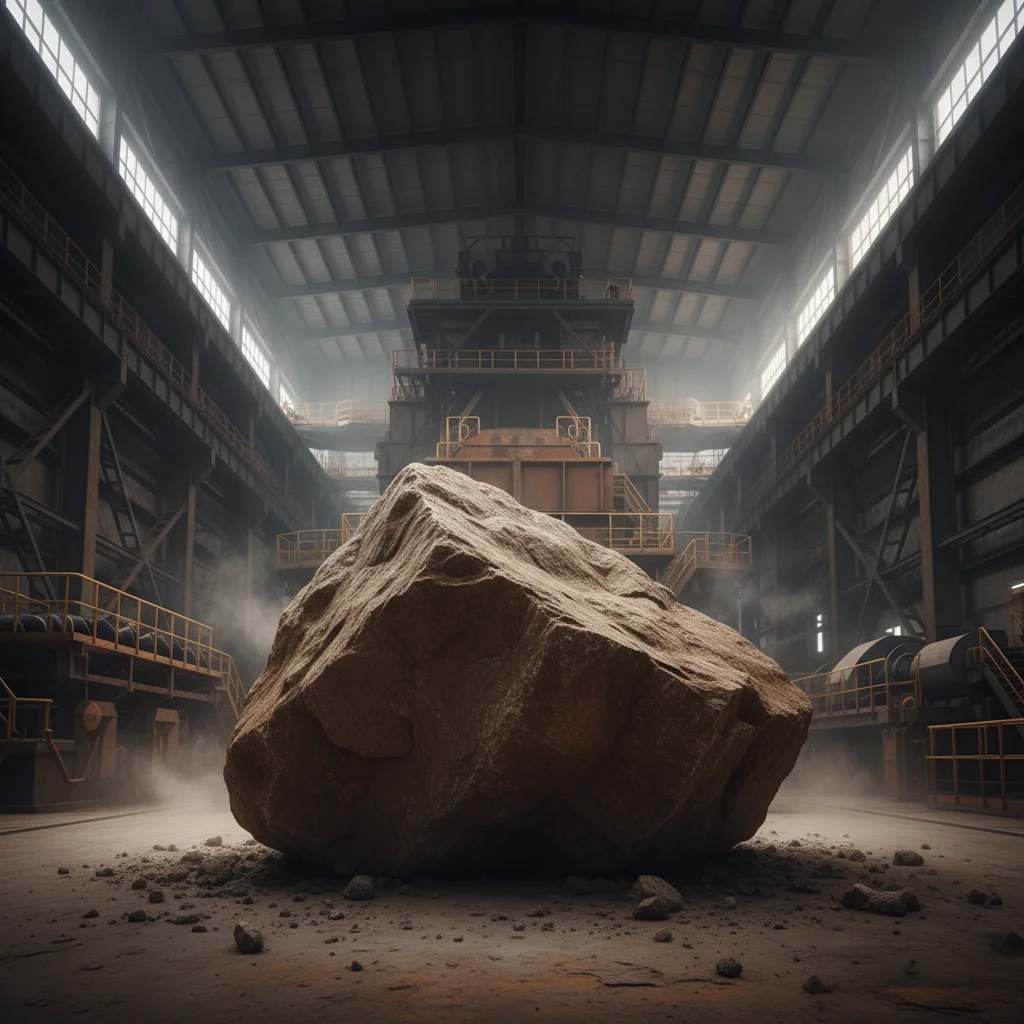
Dry quartz sand is a granular material primarily composed of silicon dioxide (SiO2) in the form of quartz. “Dry” refers to the minimal moisture content, crucial for many industrial processes where water can interfere with chemical reactions or material bonding. The sand is typically formed through the weathering and erosion of quartz-bearing rocks over millennia.
The properties of dry quartz sand are directly linked to its composition and geological origin. Key characteristics include high hardness (7 on the Mohs scale), chemical inertness, a high melting point (1713°C), and excellent thermal stability. Grain size and shape vary depending on the source, impacting flowability and packing density.
This simple yet powerful material bridges the gap between natural resources and modern technological needs. Its consistent properties and relatively low cost have made it a staple in numerous manufacturing processes, contributing significantly to the development of modern materials and infrastructure. dry quartz sand is truly an essential resource.
Key Characteristics of Dry Quartz Sand
One of the most significant characteristics of dry quartz sand is its durability. The hardness and chemical resistance of quartz ensure that the sand retains its integrity even under harsh conditions, making it suitable for abrasive applications and long-lasting construction materials.
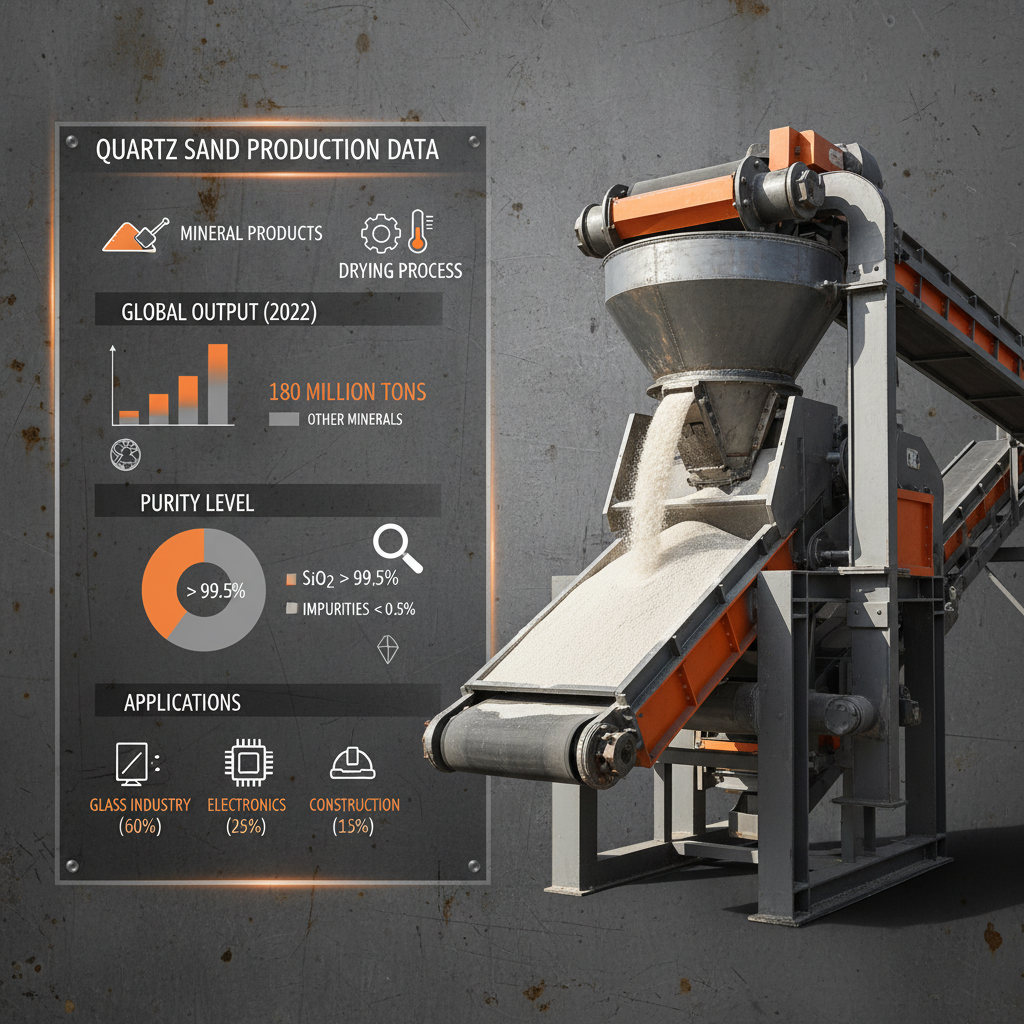
Purity is another crucial aspect. High-quality dry quartz sand contains minimal impurities like clay, iron oxides, or organic matter. Impurities can compromise the performance of the sand in sensitive applications like glassmaking or microelectronics. Rigorous quality control measures are essential to ensure consistent purity.
The grain size distribution heavily influences the sand’s behavior. Different applications demand specific grain size ranges. For example, fine grains are preferred for sandblasting, while coarser grains are used in concrete production. Precise control over grain size distribution is critical for achieving desired material properties.
Global Applications of Dry Quartz Sand
Dry quartz sand finds widespread application in the glass manufacturing industry, serving as the primary raw material for producing various types of glass, from container glass to specialty optical glass. The high silica content and purity are critical for achieving the desired clarity and strength.
The construction industry relies heavily on dry quartz sand as a key component in concrete, mortars, and asphalt mixtures. It provides strength, durability, and stability to these construction materials, contributing to the longevity of buildings and infrastructure. Its excellent compaction properties are also vital.
Beyond these, it is extensively used in foundry casting to create molds for metal parts, in filtration systems for water purification, and even in the oil and gas industry for hydraulic fracturing (fracking) operations. In regions with limited resources, sustainable sourcing of dry quartz sand is particularly important.
Dry Quartz Sand Application Breakdown by Industry
Advantages and Long-Term Value Proposition
The primary advantage of dry quartz sand lies in its cost-effectiveness. It is a relatively abundant and inexpensive material compared to many alternatives, making it accessible for large-scale industrial applications. This cost advantage translates to lower production costs for manufacturers.
Furthermore, dry quartz sand offers superior chemical stability and thermal resistance. These properties ensure that materials incorporating dry quartz sand maintain their performance characteristics even under extreme temperatures or harsh chemical environments, resulting in longer lifespans and reduced maintenance requirements.
Future Trends and Innovations in Dry Quartz Sand Utilization
Ongoing research focuses on developing alternative sand sources, such as crushed glass or industrial byproducts, to reduce reliance on natural sand mining. These sustainable alternatives aim to minimize environmental impact and enhance resource efficiency.
Digitalization and automation are also transforming the dry quartz sand industry. Advanced sensor technologies and automated processing systems are being implemented to improve quality control, optimize production efficiency, and reduce waste.
Moreover, the increasing demand for high-purity silica for advanced technologies like semiconductors and solar panels is driving innovation in sand purification and beneficiation processes. These advancements will unlock new applications and value streams for dry quartz sand.
Challenges and Sustainable Solutions for Dry Quartz Sand
A significant challenge is the environmental impact of sand mining, which can lead to habitat destruction, erosion, and water contamination. Sustainable sourcing practices are crucial to mitigate these risks, including responsible mining operations and land reclamation efforts.
Silica dust exposure poses a health hazard to workers involved in sand handling and processing. Implementing strict dust control measures, such as ventilation systems and personal protective equipment, is essential to ensure worker safety.
Promoting sand recycling and reuse is another key solution. Recovering sand from waste streams, such as construction debris or industrial byproducts, can significantly reduce the demand for virgin sand resources and contribute to a circular economy.
Summary of Challenges and Sustainable Solutions for Dry Quartz Sand
| Challenge |
Impact Area |
Solution |
Implementation Cost (1-10) |
| Environmental Degradation from Mining |
Ecosystems, Water Resources |
Responsible Mining, Land Reclamation |
7 |
| Silica Dust Exposure |
Worker Health & Safety |
Dust Control Systems, PPE |
5 |
| Depletion of Natural Resources |
Resource Availability |
Sand Recycling & Reuse |
6 |
| Quality Control Variations |
Product Performance |
Advanced Sensor Technology |
8 |
| Transportation Costs |
Supply Chain Efficiency |
Local Sourcing, Optimized Logistics |
4 |
| Lack of Standardization |
Industry Consistency |
Development of Industry Standards |
9 |
FAQS
When procuring dry quartz sand, several quality parameters are essential. These include silica content (aim for 99% or higher), grain size distribution (matched to your application), moisture content (should be minimal), and the presence of impurities (clay, iron oxides). Also, assess the sand's angularity and abrasion resistance for specific applications. A Certificate of Analysis from a reputable supplier is crucial to verify these parameters.
Grain size distribution significantly impacts performance. Finer grains are ideal for applications like sandblasting, producing a smoother finish, and for use in molds requiring high detail. Coarser grains offer better permeability and are suitable for concrete production, providing structural strength. The ideal grain size is determined by the specific process requirements.
Dry quartz sand contains crystalline silica, which can cause silicosis upon prolonged inhalation. Therefore, proper ventilation is crucial when handling the sand. Workers should wear appropriate respiratory protection (N95 masks or respirators), eye protection, and protective clothing. Regular monitoring of silica dust levels is recommended.
Yes, several alternatives are being explored. These include using crushed glass, industrial byproducts (like slag), and recycled construction materials. These alternatives aim to reduce the environmental impact associated with sand mining. While the performance may vary, ongoing research is improving the suitability of these options for various applications.
Look for suppliers who adhere to responsible mining practices and have certifications demonstrating their commitment to sustainability. Inquire about their land reclamation efforts, water management practices, and dust control measures. Opting for suppliers who prioritize ethical sourcing and environmental stewardship is crucial.
Common impurities include clay minerals, iron oxides, and organic matter. Clay can reduce the sand's permeability and affect its binding properties. Iron oxides can impart color and potentially affect chemical reactivity. Organic matter can decompose and compromise the sand's structural integrity. Minimizing these impurities is crucial for optimal performance.
Conclusion
In summary, dry quartz sand is an indispensable material, serving as a cornerstone for numerous industries worldwide. Its unique properties—durability, chemical stability, and cost-effectiveness—make it a vital component in applications ranging from glass manufacturing to construction and beyond. Understanding its characteristics, responsible sourcing, and emerging trends is paramount for sustainable utilization.
Looking ahead, embracing sustainable practices, investing in research for alternative materials, and leveraging technological advancements will be key to ensuring the long-term availability and responsible use of this critical resource. Visit our website at www.cnfloormaterials.com to learn more about our range of quality dry quartz sand products and solutions.