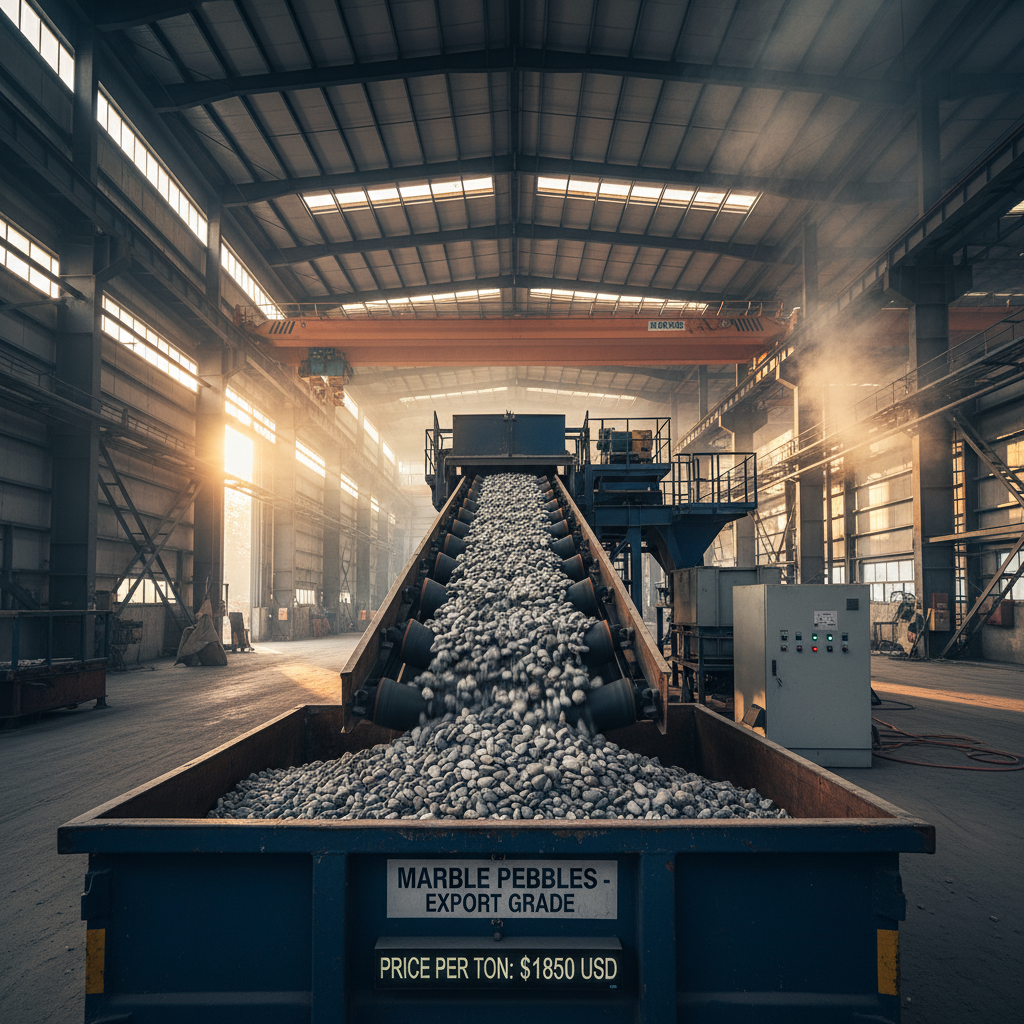
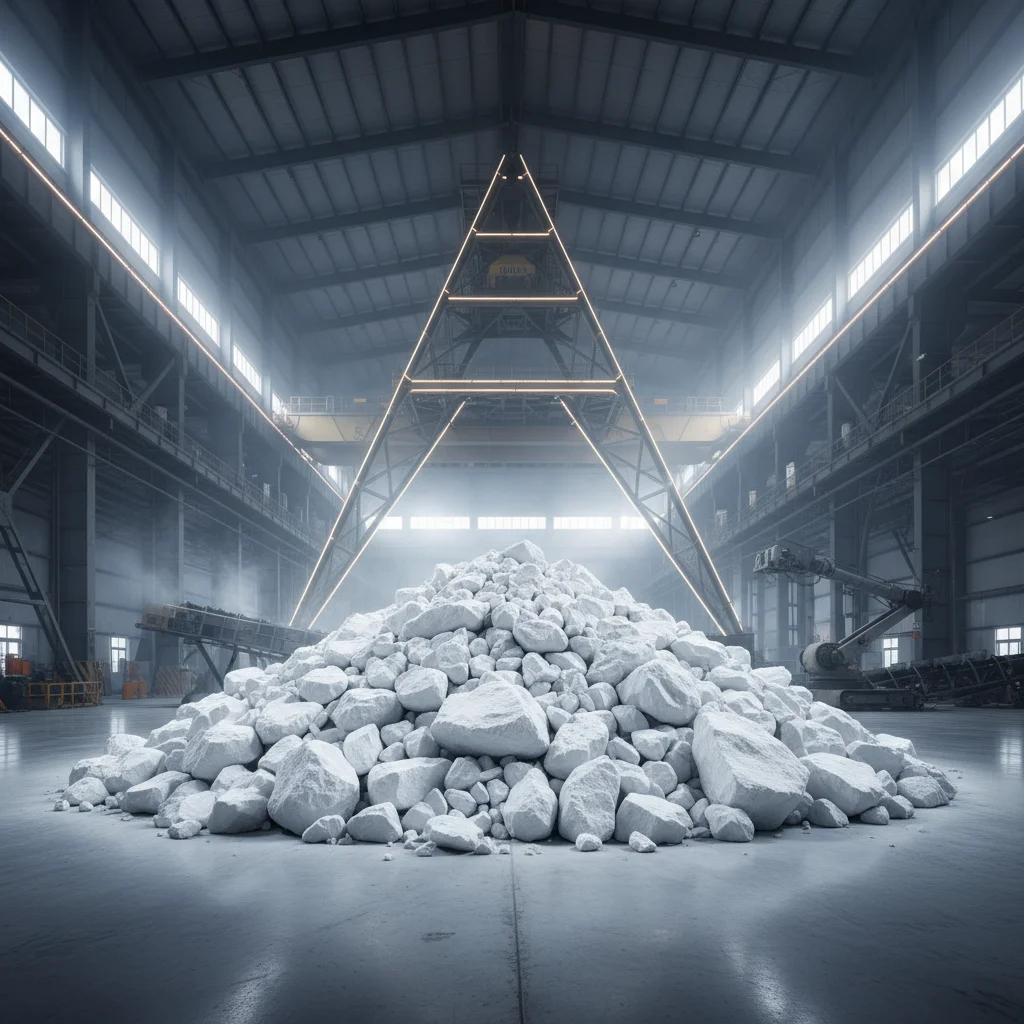
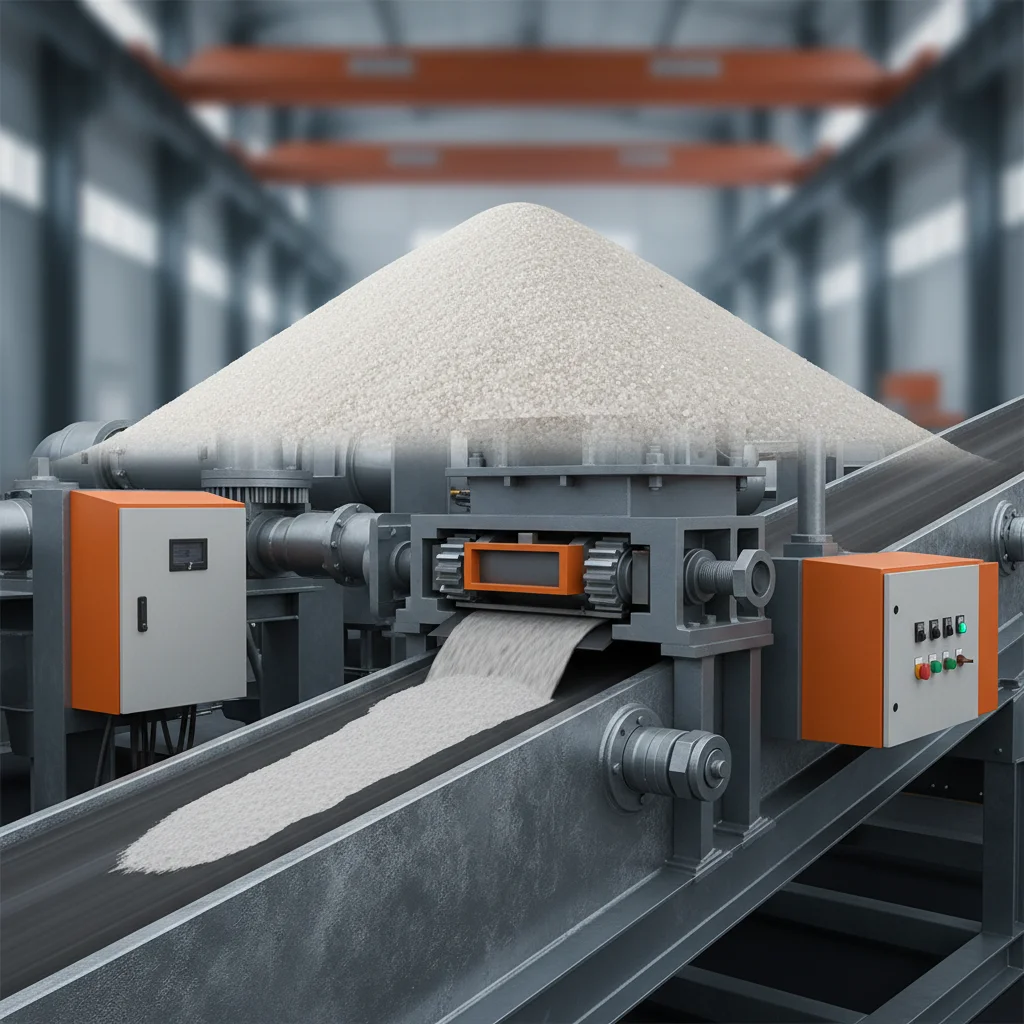
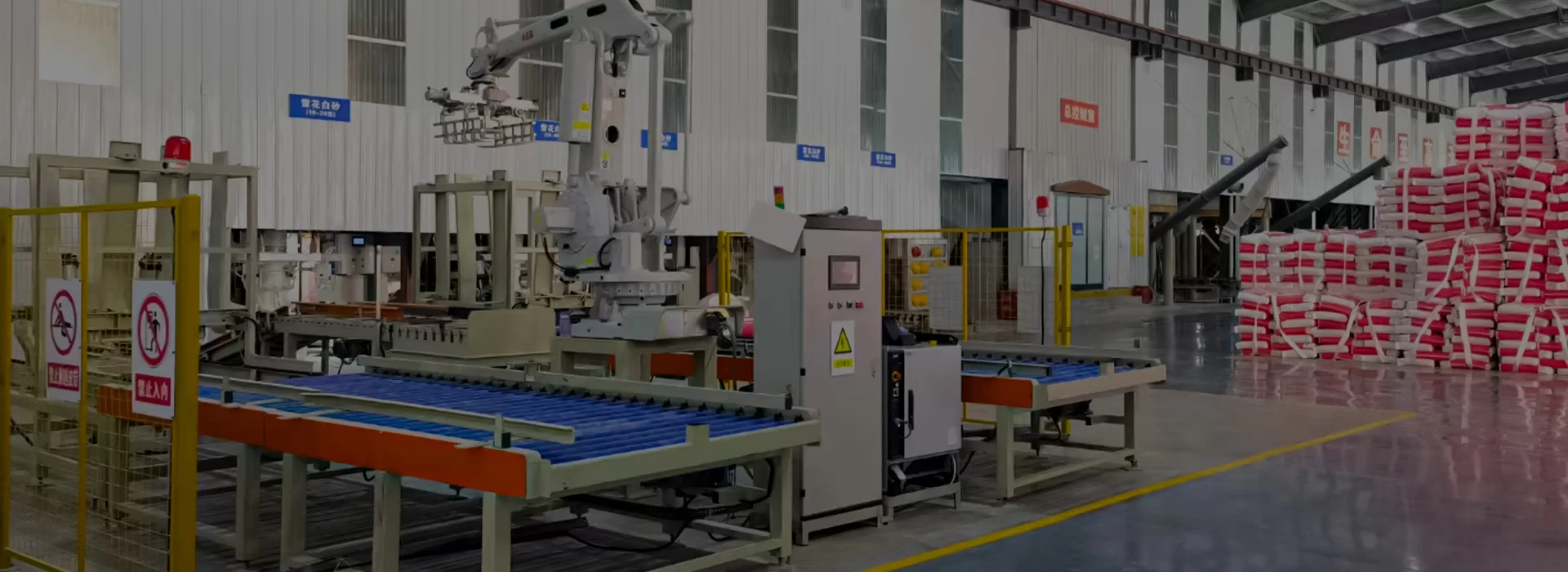
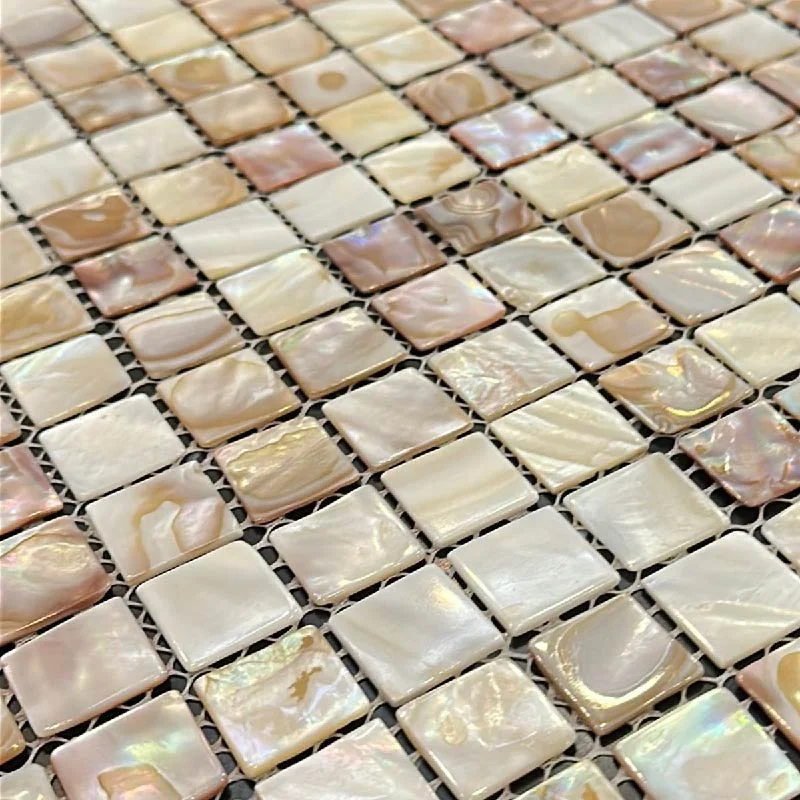
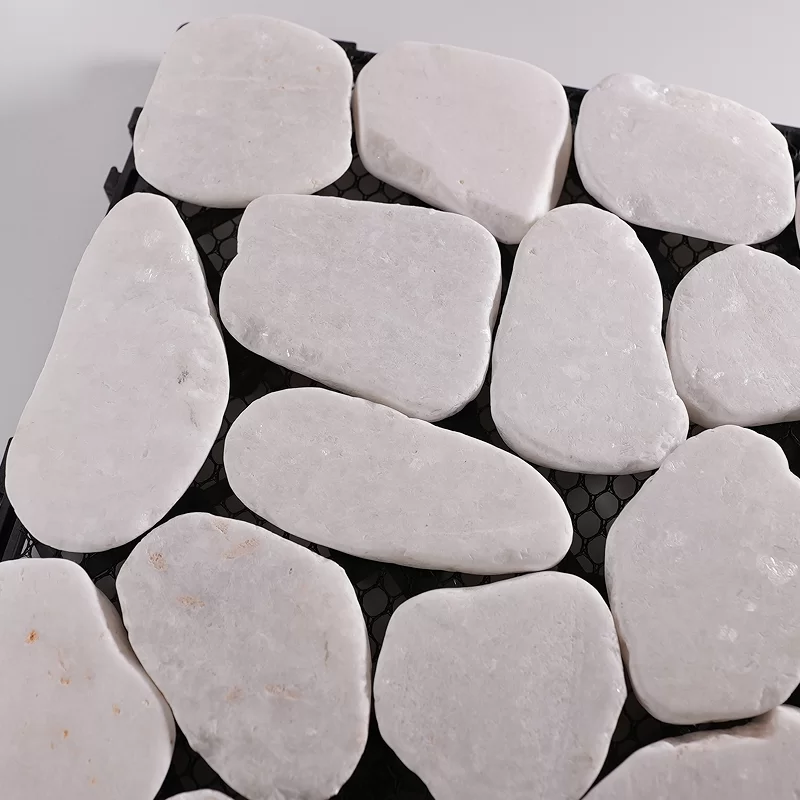
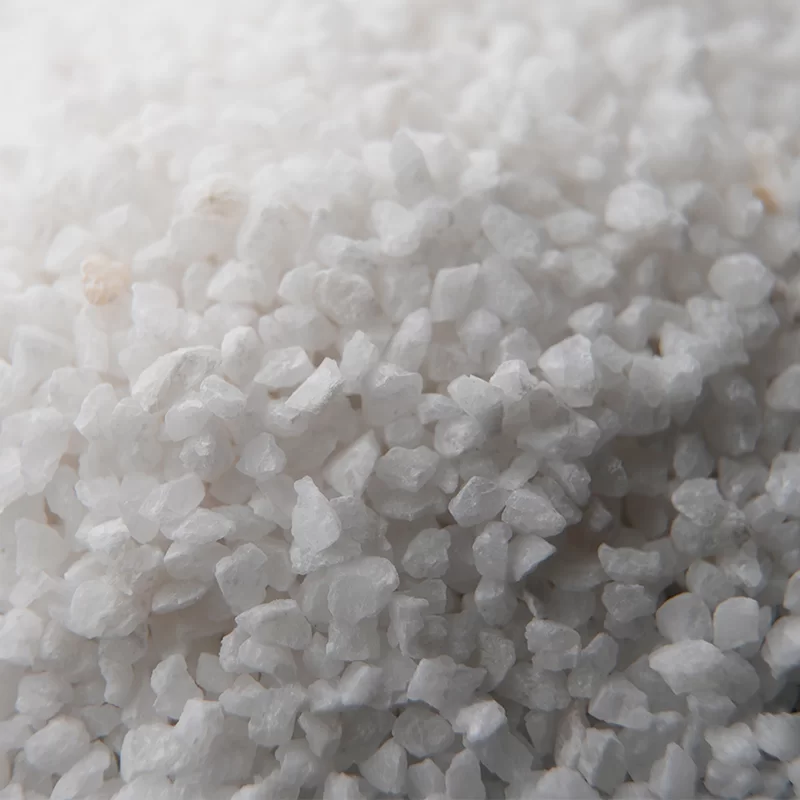
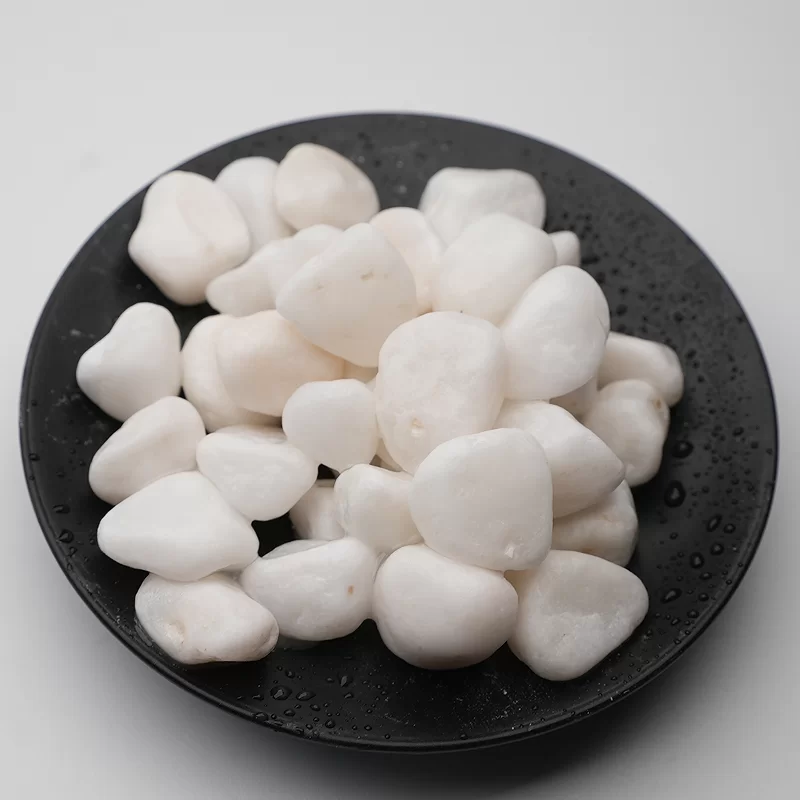
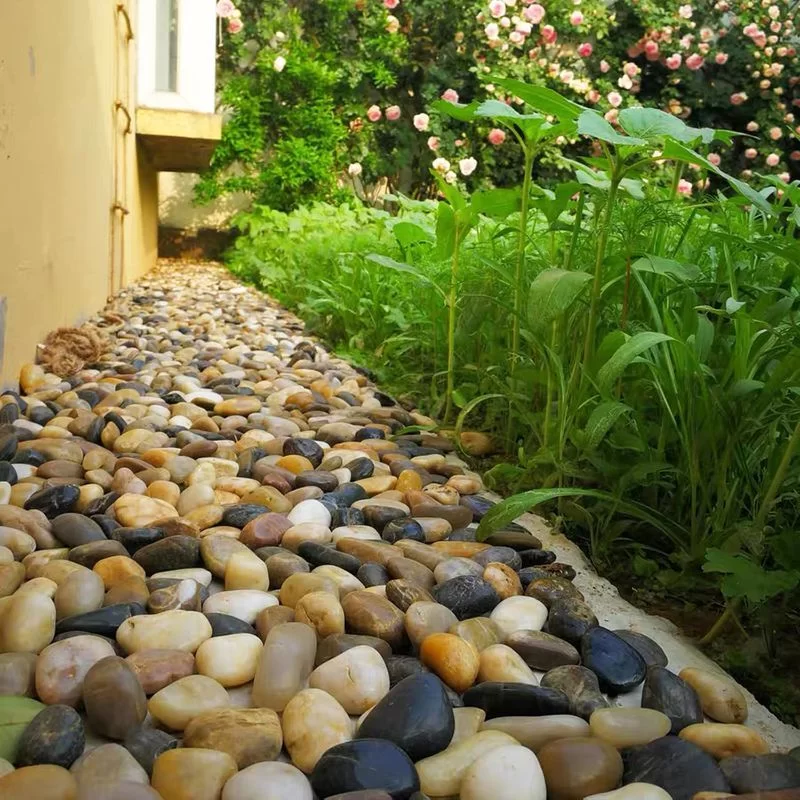
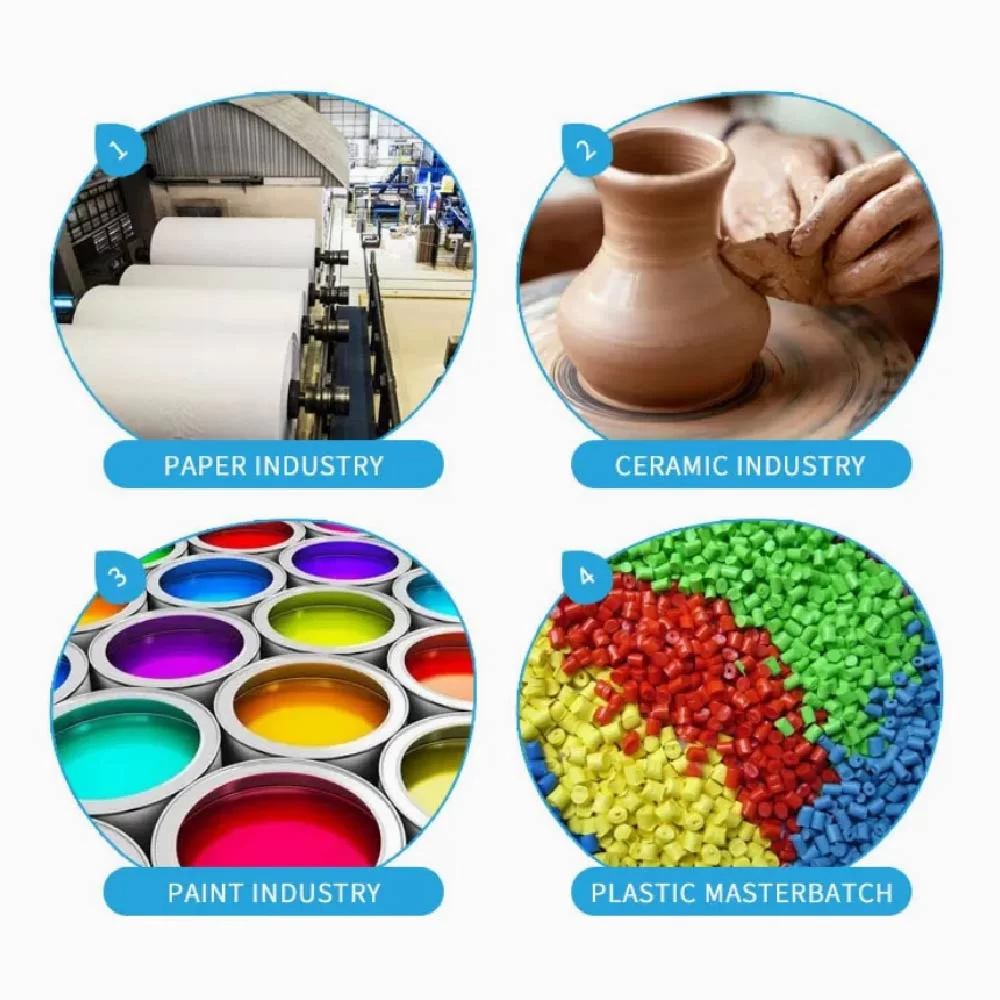
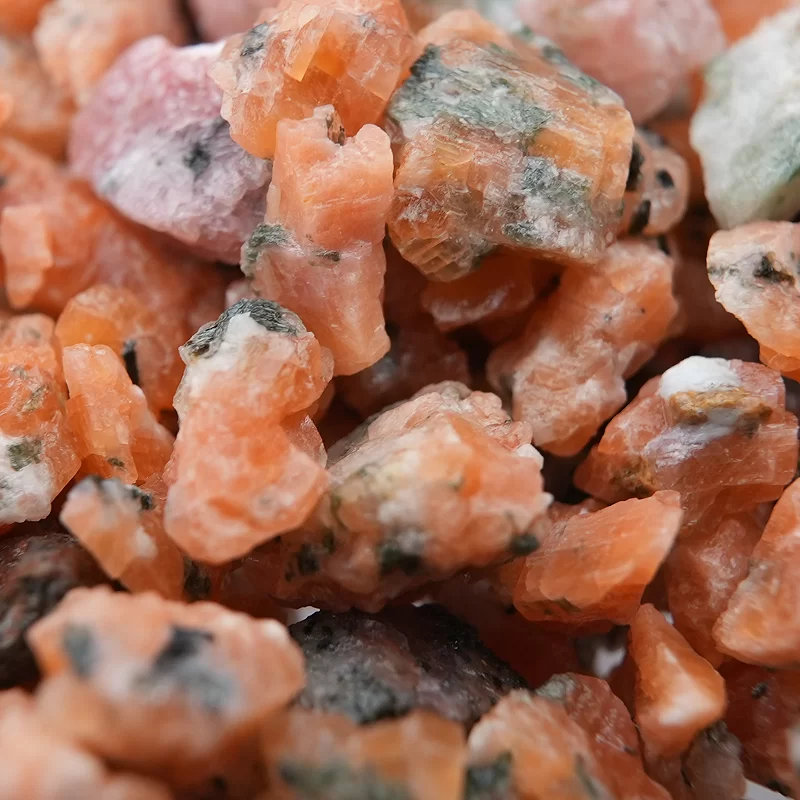
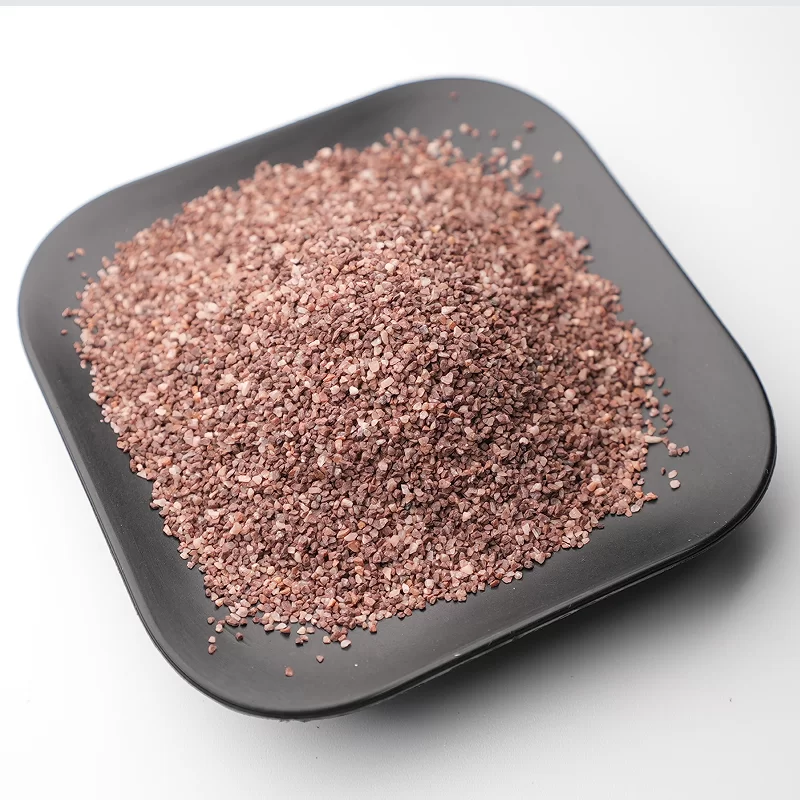
Marble pebbles price, a seemingly simple phrase, represents a crucial aspect of landscaping, construction, and decorative arts globally. Understanding the factors influencing this price – from material sourcing and processing to transportation and market demand – is vital for professionals and consumers alike. The accessibility and aesthetic appeal of marble pebbles make them a popular choice, driving a consistent, significant market presence worldwide. Its importance extends beyond mere cost; it influences project feasibility, design choices, and ultimately, customer satisfaction.
The global market for marble pebbles is experiencing steady growth, fueled by increasing construction activities, particularly in developing nations, and a rising demand for aesthetic landscaping solutions. According to a recent report by Allied Market Research, the global decorative aggregates market (which includes marble pebbles) is projected to reach $85.6 billion by 2027, exhibiting a CAGR of 4.5% from 2020 to 2027. This demand necessitates a clear understanding of the determinants of marble pebbles price to ensure cost-effective project planning and resource allocation.
Fluctuations in marble pebbles price can stem from various sources, impacting industries ranging from residential construction to large-scale commercial projects. Issues like geopolitical instability affecting raw material sourcing, rising energy costs impacting transportation, and even changing consumer preferences can all play a role. A proactive approach to understanding these dynamics is essential for businesses and individuals seeking to utilize this versatile material effectively.
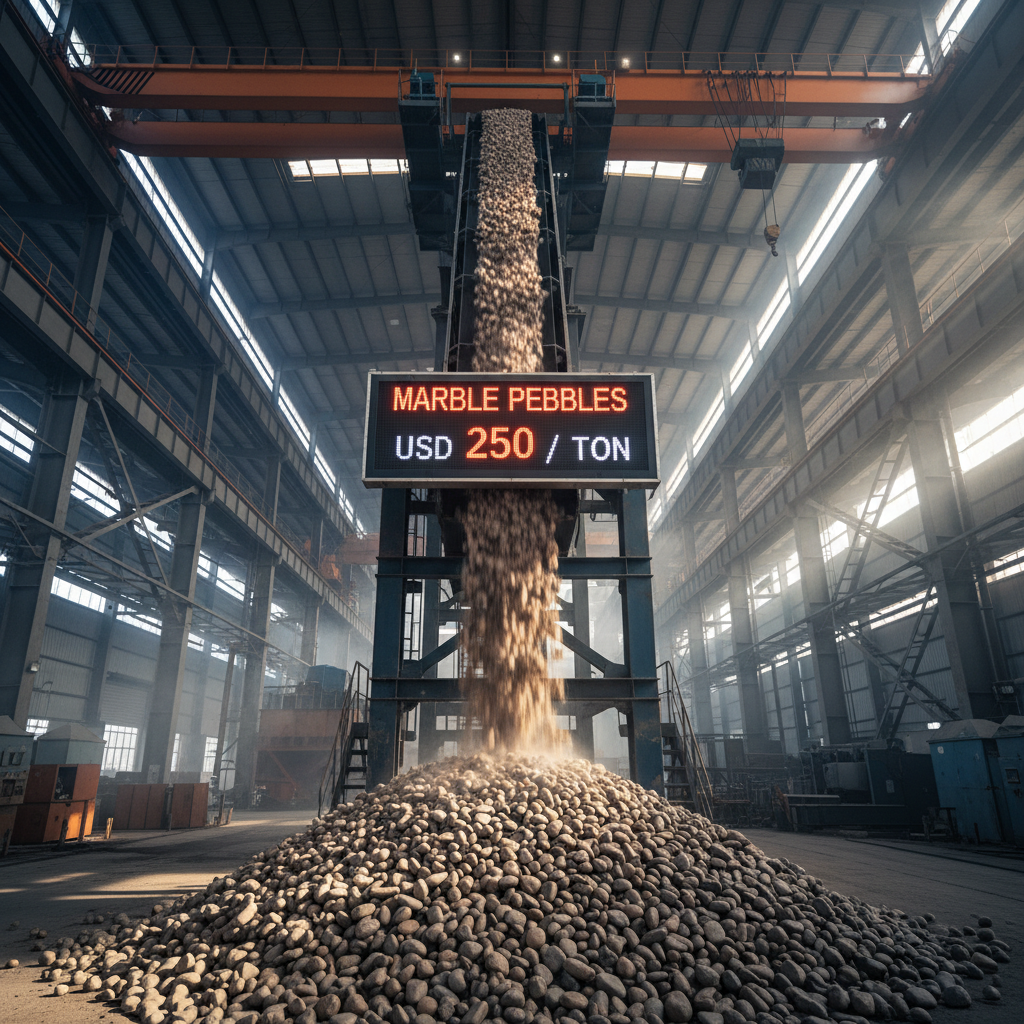
Defining the Scope of marble pebbles price
Marble pebbles price refers to the cost per unit (typically per ton, cubic meter, or bag) of small, rounded fragments of marble rock, used extensively in landscaping, construction, and decorative applications. This price is not fixed; it's a dynamic value determined by a complex interplay of factors, ranging from quarrying costs and processing techniques to transportation distances and prevailing market conditions. It's essential to differentiate between various marble types, as their inherent characteristics and rarity directly impact their value.
Understanding the scope of marble pebbles price is crucial for industries reliant on its availability. From enhancing the aesthetic appeal of residential gardens to providing drainage solutions in large-scale infrastructure projects, marble pebbles play a versatile role. The connection to modern industry extends to the burgeoning eco-friendly construction movement, where natural materials like marble are preferred for their sustainable properties.
Global Market Influences on marble pebbles price
The global market significantly impacts marble pebbles price. Major producing regions, such as Italy, India, China, and Spain, dictate supply, and any disruptions in these areas – due to geopolitical events, labor strikes, or natural disasters – can lead to price increases. Import/export tariffs and trade agreements also play a vital role, influencing the overall cost of marble pebbles in different countries. Demand from rapidly urbanizing areas in Asia and the Middle East is a key driver of global pricing trends.
Economic indicators, like currency exchange rates and inflation, directly affect the purchasing power of buyers and the operational costs of suppliers. A strong US dollar, for instance, can make marble pebbles more expensive for buyers using other currencies. Fluctuations in fuel prices also have a cascading effect, increasing transportation costs and ultimately influencing the final price.
The COVID-19 pandemic, for example, caused significant disruptions to global supply chains, leading to temporary shortages and inflated prices for many materials, including marble pebbles. The resilience of the market, and the ability of suppliers to adapt to changing conditions, are key factors in maintaining price stability.
Core Components Affecting marble pebbles price
Several core components contribute to the final marble pebbles price. The type of marble itself—Carrara, Calacatta, Statuario, or more common varieties—is paramount. Rarer and more visually striking marbles command significantly higher prices. The size and shape of the pebbles also influence cost; uniform, polished pebbles are generally more expensive than irregular, unpolished ones.
Processing costs are a substantial factor. Quarrying, cutting, shaping, polishing, and quality control all contribute to the overall price. More elaborate processing techniques, such as tumbling for smoothness or color sorting, add to the expense. Transportation costs—from the quarry to processing facilities and ultimately to the end-user—are also significant, particularly for long-distance shipments.
Finally, market demand and supplier margins play a critical role. High demand coupled with limited supply inevitably drives prices upward. Suppliers also factor in their operational costs and desired profit margins when setting prices, leading to variations between different vendors.
Applications and Regional Variations in marble pebbles price
The application of marble pebbles influences the acceptable price range. Landscaping applications typically demand lower prices compared to high-end interior design or artistic installations. For example, using marble pebbles for driveway gravel will prioritize affordability, while selecting them for a luxury bathroom will emphasize aesthetic quality and potentially justify a higher price.
Regional variations in marble pebbles price are substantial. Areas close to marble quarries, such as Italy and India, often have lower prices due to reduced transportation costs. Countries with strong construction sectors and high demand, like China and the United Arab Emirates, tend to have higher prices. Import duties and local taxes also contribute to these regional differences.
marble pebbles price Comparison by Application
The Economic Benefits of Competitive marble pebbles price
Achieving competitive marble pebbles price offers substantial economic benefits. Lower material costs translate directly into reduced project expenses, allowing businesses and individuals to allocate resources more efficiently. This, in turn, can stimulate economic activity and drive further growth in the construction and landscaping sectors.
Competitive pricing fosters innovation and encourages suppliers to optimize their processes, improve efficiency, and offer greater value to customers. This dynamic market environment ultimately benefits consumers by providing access to high-quality materials at affordable prices.
Future Trends Shaping marble pebbles price
The rise of sustainable building practices will likely influence marble pebbles price. Increasing demand for eco-friendly materials may drive up the price of responsibly sourced marble. Technological advancements in quarrying and processing could potentially lower production costs, offsetting some of these increases.
Digitalization and e-commerce platforms are transforming the way marble pebbles are bought and sold, increasing price transparency and facilitating access to global markets. Blockchain technology could be implemented to track the origin and authenticity of marble, potentially adding value and influencing pricing.
Automation in processing facilities and improvements in transportation logistics will likely contribute to greater efficiency and cost reductions in the long term. However, regulatory changes related to environmental protection and labor standards could also impact prices.
Addressing Challenges in marble pebbles price Stability
One of the primary challenges in maintaining stable marble pebbles price is the susceptibility to external shocks, such as geopolitical instability and natural disasters. Diversifying sourcing locations and establishing robust supply chains are crucial mitigation strategies.
Price volatility can also be addressed through long-term contracts with suppliers, hedging strategies, and the development of price indices that provide greater transparency. Collaboration between industry stakeholders, including suppliers, distributors, and end-users, can help to foster a more stable and predictable market.
Improving transparency in the supply chain, promoting ethical sourcing practices, and investing in sustainable production methods are all vital steps towards building a more resilient and responsible marble pebbles market.
Factors Influencing Long-Term marble pebbles price
| Supply Chain Resilience |
Technological Advancement |
Sustainability Standards |
Global Economic Conditions |
| Diversification of sourcing, local production, reduced reliance on single suppliers. |
Automation in quarries, efficient processing, reduced labor costs. |
Ethical mining practices, reduced environmental impact, premium pricing. |
Global demand, currency fluctuations, inflation rates, trade policies. |
| Rating: 8/10 |
Rating: 7/10 |
Rating: 9/10 |
Rating: 6/10 |
| Short-term impact: Moderate. Long-term: High |
Short-term impact: Low. Long-term: Moderate |
Short-term impact: Moderate. Long-term: High |
Short-term impact: High. Long-term: Moderate |
| Potential disruptions due to political instability. |
Requires significant upfront investment. |
Increasing consumer preference for ethical products. |
Sensitivity to global events and economic downturns. |
| Risk mitigation through diversified contracts. |
Improved efficiency and reduced waste. |
Enhanced brand reputation and market access. |
Requires continuous monitoring and adaptation. |
| Focus on regional sourcing and self-sufficiency. |
AI-powered quality control systems. |
Certification programs and transparent supply chains. |
Hedging strategies and currency risk management. |
FAQS
Several factors influence marble pebbles price. These include the type of marble (rarity and quality), extraction and processing costs, transportation distances, market demand, import/export tariffs, and global economic conditions. Geopolitical events and natural disasters can also cause temporary price spikes. Understanding these dynamics is crucial for effective budgeting and project planning.
The origin of marble pebbles significantly affects their price. Marble from renowned quarries like Carrara in Italy often commands higher prices due to its perceived quality and prestige. Transportation costs also play a role; pebbles sourced from distant locations will generally be more expensive due to higher shipping fees. Labor costs in the source country also influence the final price.
Yes, several strategies can help reduce costs. Consider using locally sourced marble pebbles whenever possible to minimize transportation expenses. Exploring alternative marble types with comparable aesthetic qualities but lower prices can also be effective. Negotiating with suppliers for bulk discounts and optimizing transportation logistics can further reduce overall project costs.
Increasingly, sustainability concerns are influencing marble pebbles price. Responsibly sourced marble, obtained through ethical mining practices with minimal environmental impact, often commands a premium price. Consumers are willing to pay more for sustainable products, driving demand and increasing the value of ethically produced marble pebbles.
The price range for marble pebbles varies significantly based on size. Smaller pebbles (3-6mm) generally cost less per ton than larger pebbles (10-20mm). The typical price range can vary from $60 to $200+ per ton, depending on the marble type, origin, and processing. Larger, polished pebbles for decorative applications will be at the higher end of this range.
Finding reliable suppliers requires careful research. Online marketplaces specializing in building materials can be a good starting point. Attending industry trade shows and networking with other professionals can also lead to valuable connections. Checking supplier credentials, requesting quotes from multiple vendors, and verifying their sustainability practices are essential steps in finding a trustworthy and cost-effective source.
Conclusion
In conclusion, marble pebbles price is a multifaceted concept influenced by a complex interplay of global market forces, material characteristics, processing costs, and sustainability considerations. Understanding these factors is paramount for professionals and consumers seeking to make informed decisions regarding their projects. By carefully analyzing these elements, it’s possible to optimize costs, ensure quality, and promote responsible sourcing practices.
Looking ahead, embracing innovation in quarrying and processing technologies, prioritizing sustainable sourcing, and leveraging digital platforms will be crucial for stabilizing marble pebbles price and fostering a more resilient and transparent market. For further information and to explore our range of marble pebbles, visit our website: marble pebbles price.