The demand for rapid and effective disaster response and sustainable infrastructure is growing globally, driven by increasing frequency of natural disasters and a pressing need for affordable housing solutions. perlite recovery board emerges as a crucial component in addressing these challenges, offering a lightweight, durable, and cost-effective material ideal for fast deployment housing, temporary shelters, and even permanent construction in challenging environments. This innovative approach is revolutionizing how we think about building resilient communities.
Across the globe, humanitarian organizations and governments are seeking solutions that minimize environmental impact while maximizing efficiency and affordability. perlite recovery board provides a sustainable alternative to traditional building materials, utilizing recycled perlite and minimizing waste. Its ease of assembly and transport significantly reduces construction time and logistical costs, making it a viable option for remote locations and emergency situations.
Understanding the properties and applications of perlite recovery board is vital for architects, engineers, disaster relief professionals, and policymakers alike. Its unique characteristics—lightweight, fire resistance, insulation, and affordability—position it as a game-changer in the field of sustainable and resilient building practices.
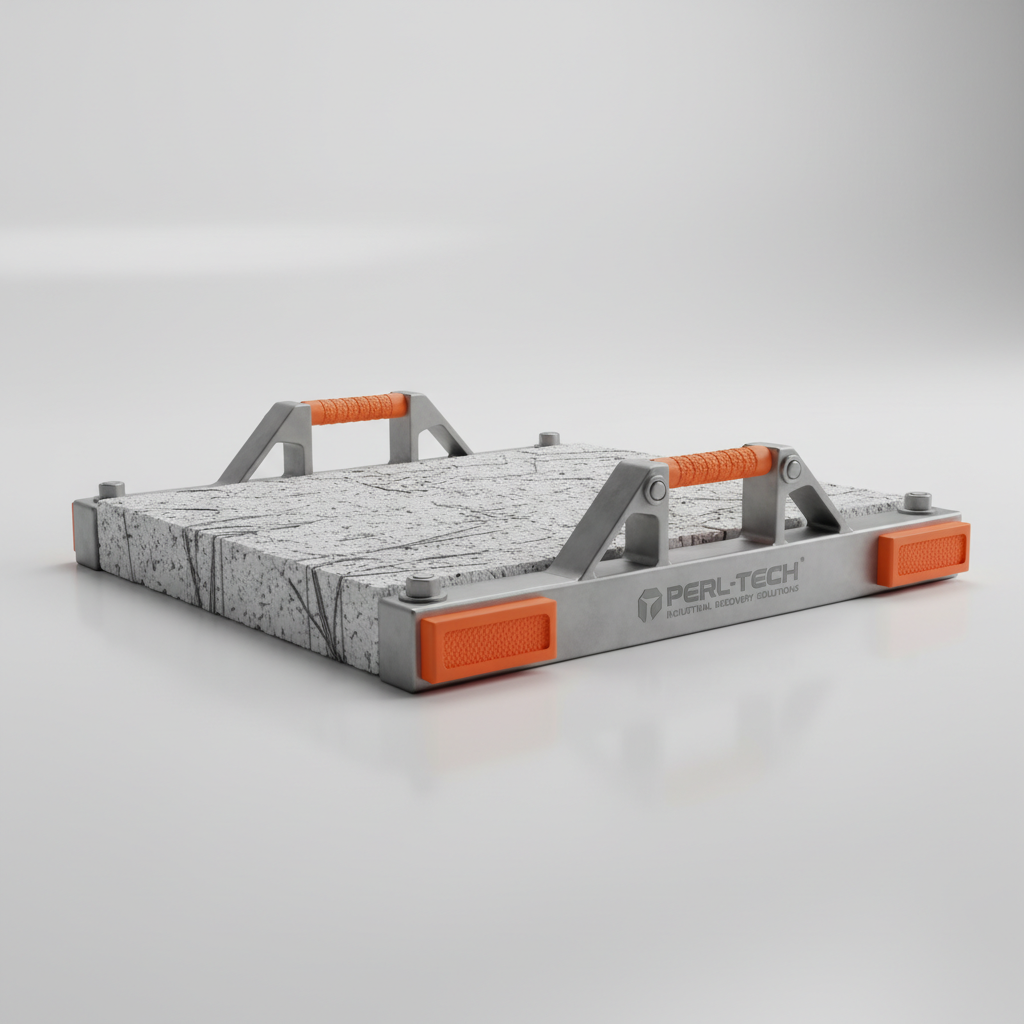
perlite recovery board represents a significant advancement in sustainable building materials. It’s not just about constructing shelters; it’s about creating dignified living spaces that can withstand environmental pressures and provide a foundation for recovery. The utilization of recycled perlite drastically reduces the reliance on traditional, often environmentally damaging, building resources.
This material addresses a core challenge in modern construction: balancing cost-effectiveness with sustainability and resilience. Its lightweight nature simplifies transportation and assembly, reducing both time and labor costs. The board's inherent fire resistance and thermal insulation properties further contribute to its safety and energy efficiency, making it a compelling choice for a variety of applications.
The global housing crisis, exacerbated by natural disasters and rapid urbanization, demands innovative and sustainable solutions. According to the United Nations, over 1.6 billion people worldwide lack adequate housing. Simultaneously, the frequency and intensity of natural disasters – from hurricanes and earthquakes to wildfires and floods – are increasing due to climate change, displacing millions and creating urgent needs for temporary and permanent shelter. perlite recovery board directly addresses these converging crises.
A significant challenge lies in providing immediate shelter to displaced populations while minimizing environmental impact. Traditional relief efforts often rely on materials that are heavy, difficult to transport, and contribute to deforestation. perlite recovery board offers a lighter, more sustainable alternative that can be rapidly deployed to affected areas.
Another hurdle is the cost of building materials, particularly in developing countries. Conventional construction methods can be prohibitively expensive, leaving vulnerable communities without access to safe and adequate housing. The affordability of perlite recovery board, combined with its ease of assembly, makes it a viable option for addressing this critical need.
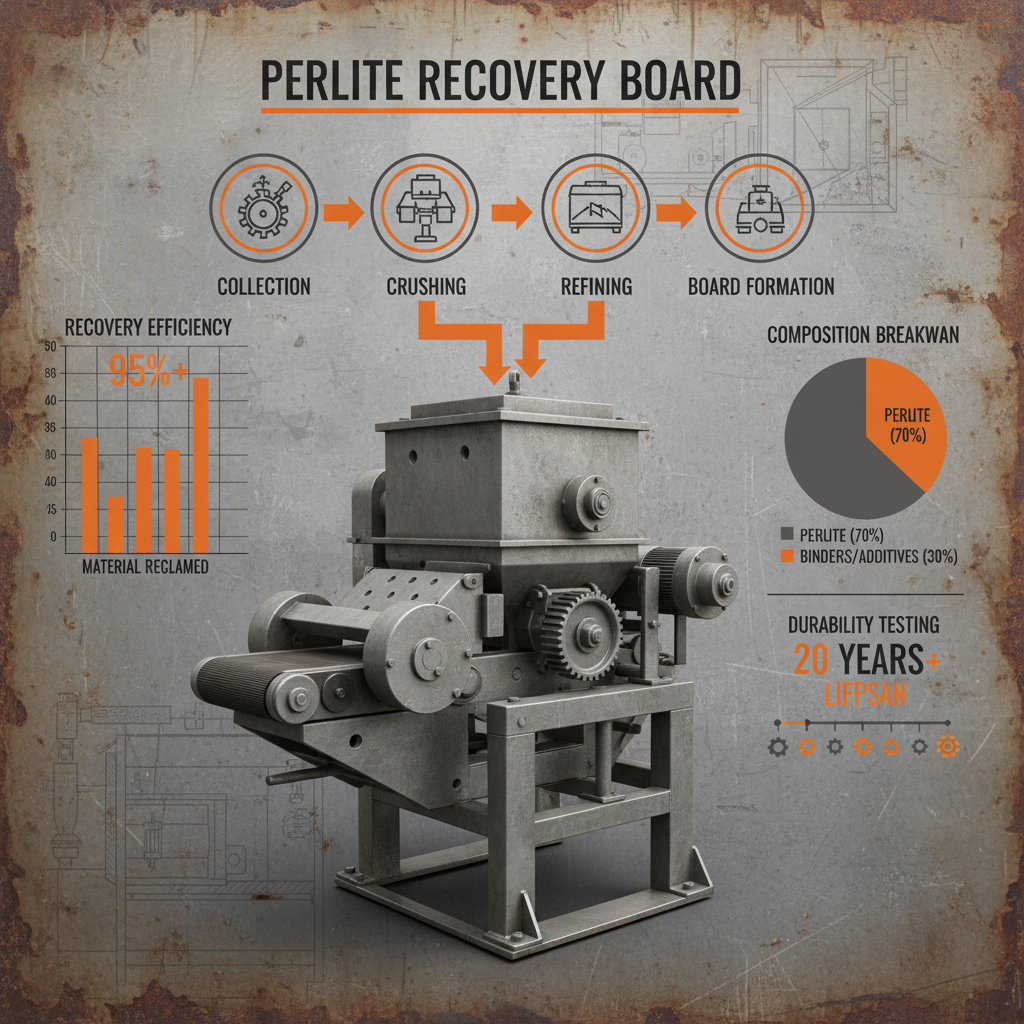
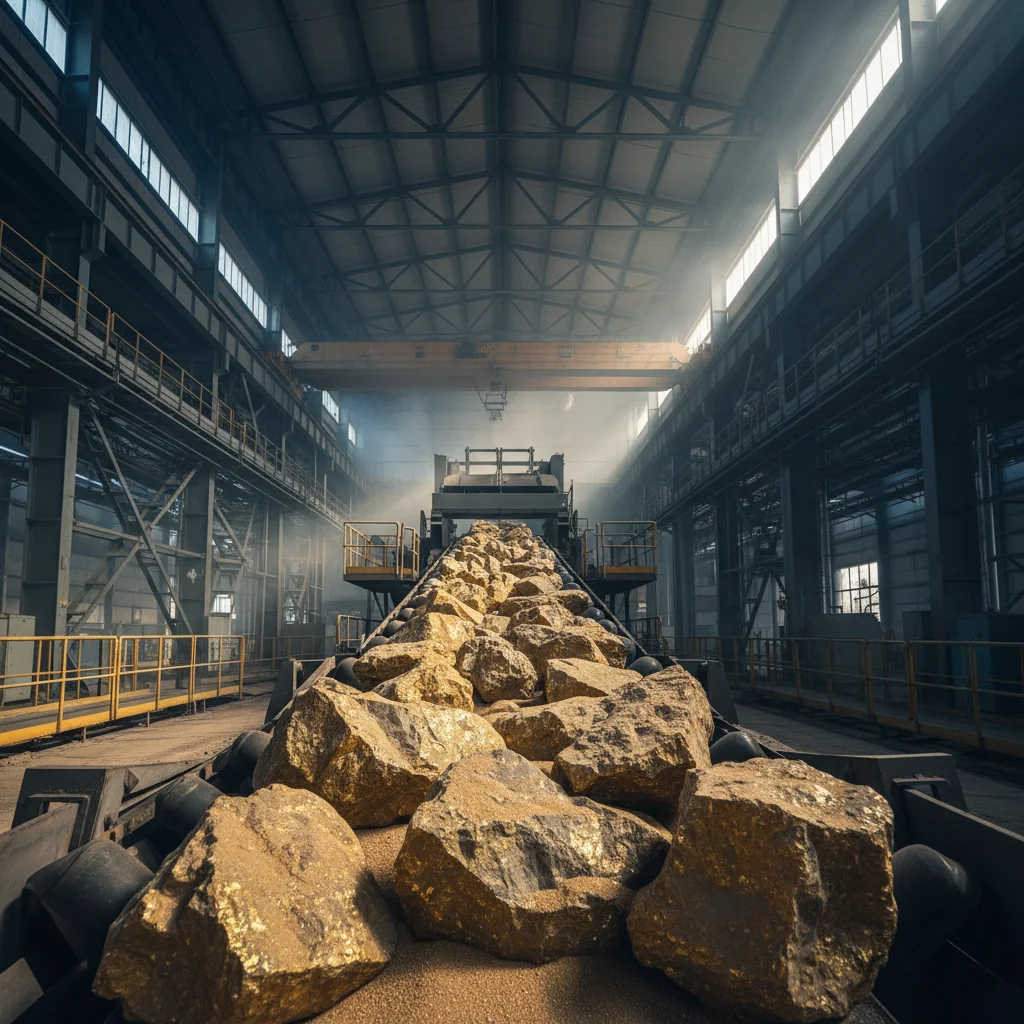
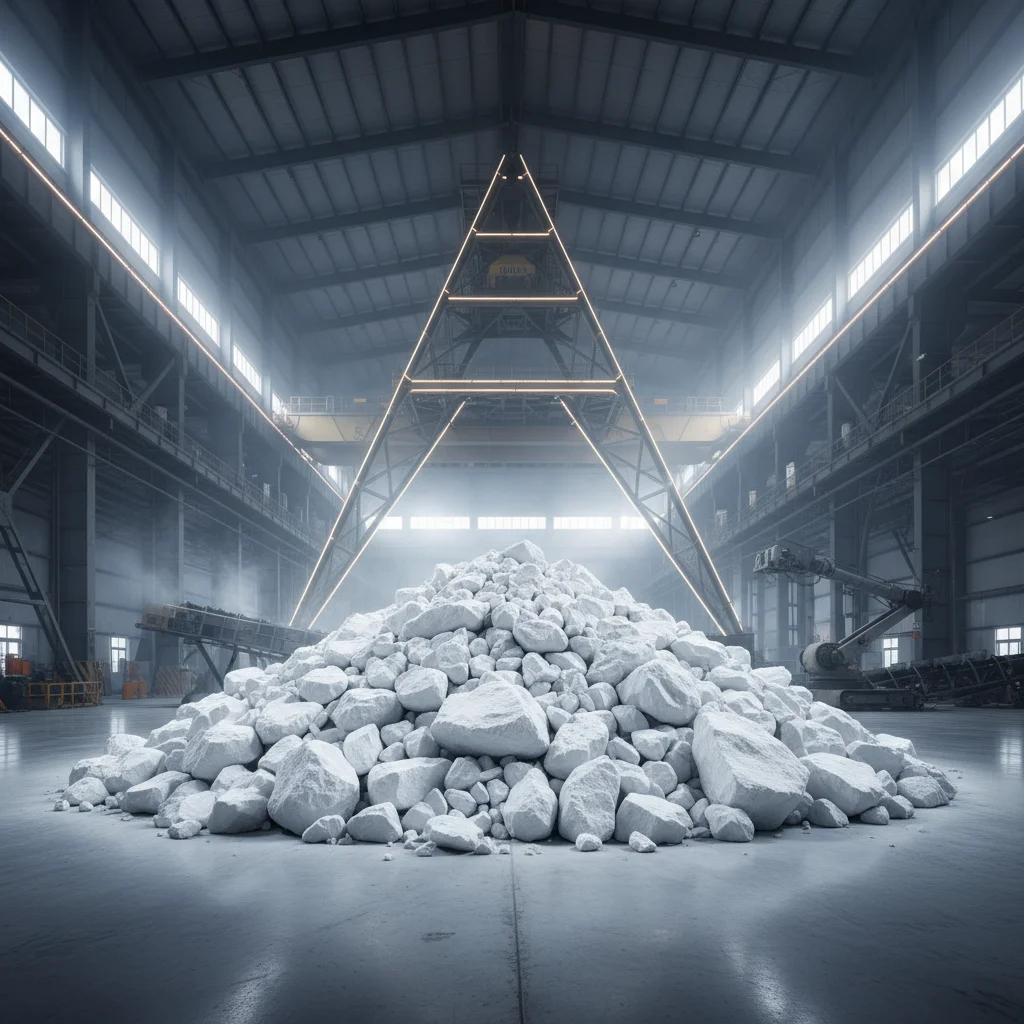
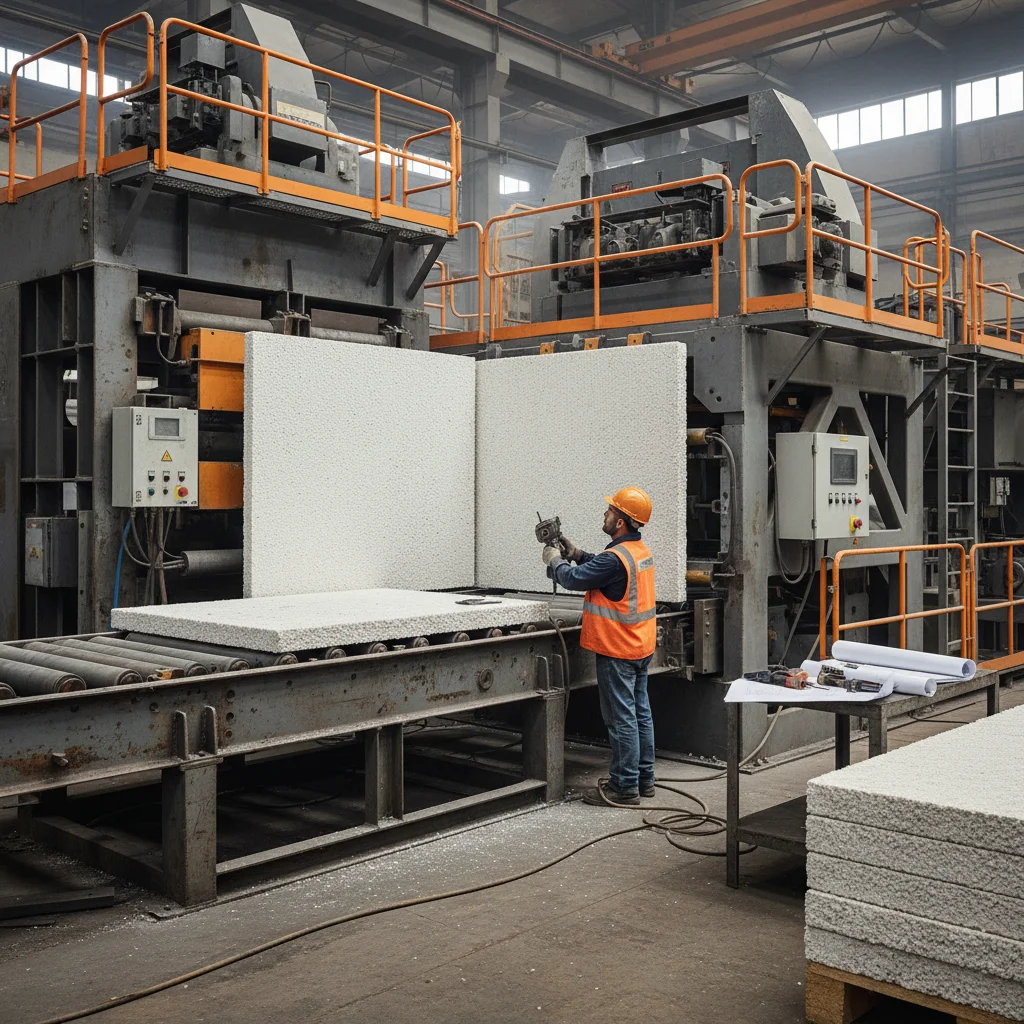
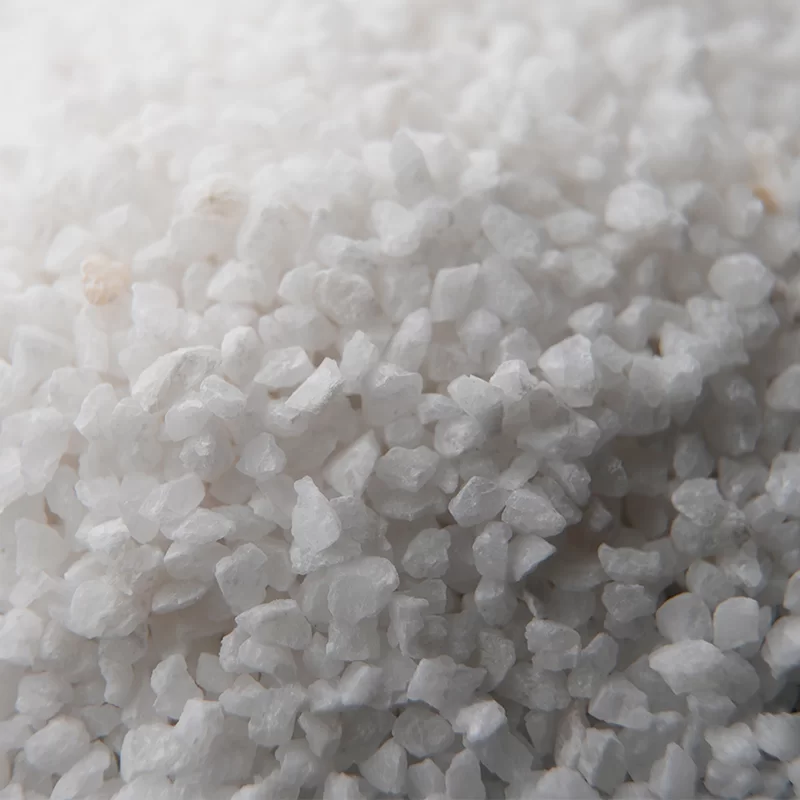
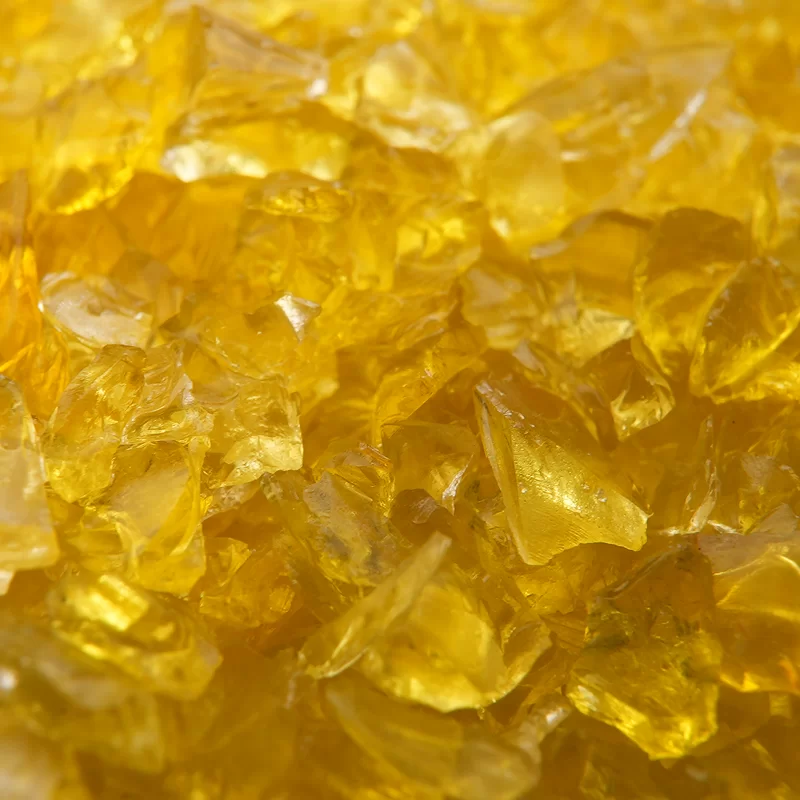
perlite recovery board is a construction material primarily composed of expanded perlite, a volcanic glass, and a binding agent. The perlite is often a byproduct of other industrial processes, making the board a recycled material, and its lightweight and insulating properties are utilized to create panels suitable for various building applications. It's designed for quick assembly, requiring minimal specialized skills or equipment.
This material isn't just a stopgap solution; it’s a versatile building component applicable to both temporary and permanent structures. Its connection to modern industrial needs stems from the increasing focus on waste reduction and the circular economy, transforming an industrial byproduct into a valuable construction resource. It’s a prime example of sustainable material science in action.
In essence, it represents a paradigm shift in construction, moving away from energy-intensive and resource-depleting practices towards more environmentally responsible and efficient methods. Its potential extends beyond disaster relief, offering a pathway to affordable and sustainable housing solutions for communities worldwide.
The effectiveness of perlite recovery board stems from a unique combination of properties. Firstly, its incredibly lightweight nature simplifies transport and reduces structural load. Secondly, perlite is inherently fire-resistant, providing a crucial safety feature in disaster-prone areas. Thirdly, its excellent thermal insulation capabilities minimize energy consumption for heating and cooling.
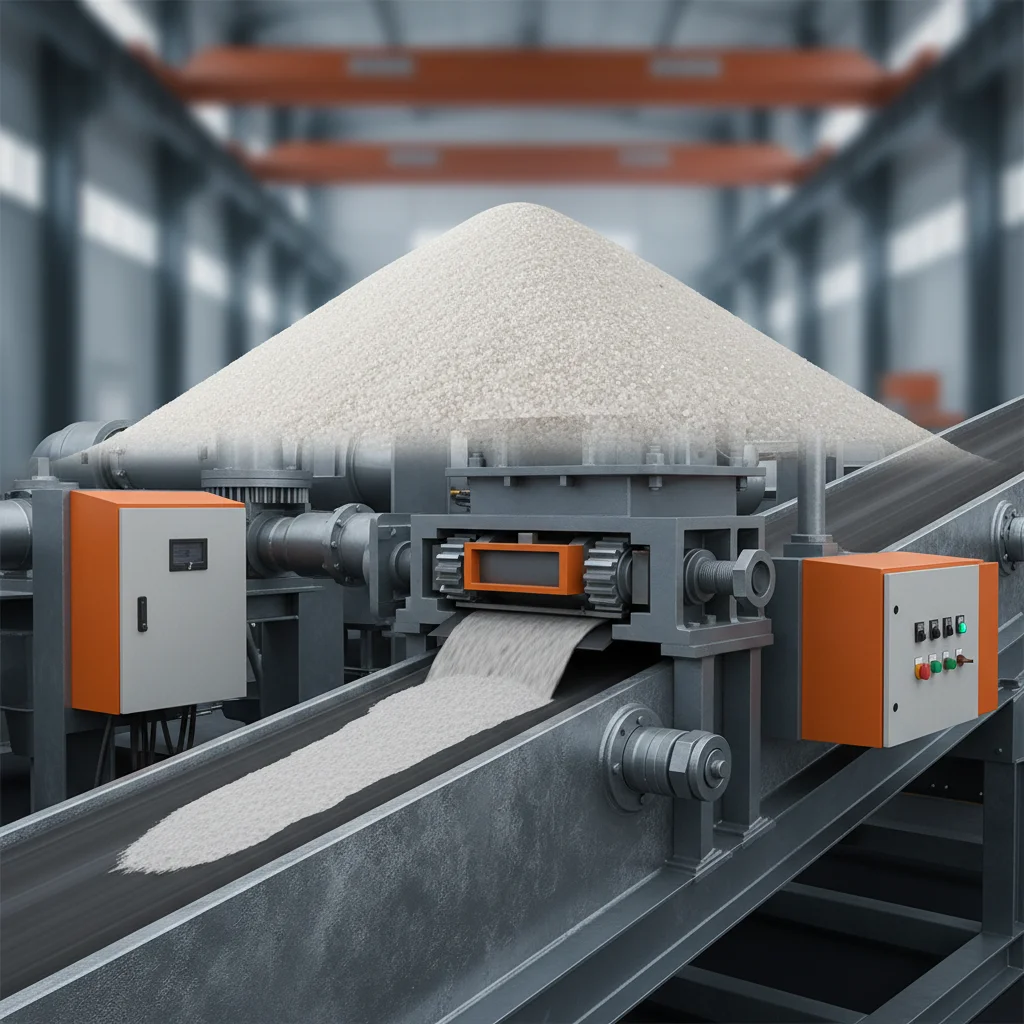
The core components include expanded perlite, a binding agent (often cement-based or a polymer), and sometimes additives to enhance specific properties like strength or water resistance. The manufacturing process is relatively simple and can be adapted to utilize locally sourced materials, further reducing its environmental footprint. These factors contribute to the boards overall scalability and cost-effectiveness.
perlite recovery board is finding applications across a broad spectrum of scenarios. In post-disaster relief operations, it’s used to construct temporary shelters, field hospitals, and sanitation facilities. Its rapid deployment capabilities and ease of assembly are invaluable in these critical situations. The material has been utilized in refugee camps to provide dignified and safe living spaces.
Beyond disaster relief, it's gaining traction in affordable housing projects, particularly in developing countries. Its cost-effectiveness and thermal insulation properties make it a sustainable alternative to traditional building materials. It’s also being explored for use in modular construction, creating rapidly deployable and customizable building units.
In remote industrial zones where access to conventional building materials is limited, perlite recovery board provides a viable solution for constructing worker housing, storage facilities, and even small-scale offices. Its durability and fire resistance make it suitable for harsh environments.
The tangible benefits of using perlite recovery board are numerous. Cost savings are significant, both in terms of material costs and reduced labor requirements. Its sustainability contributes to a lower carbon footprint, aligning with global environmental goals. Moreover, the board’s inherent fire resistance and thermal properties enhance safety and energy efficiency.
Beyond these practical advantages, perlite recovery board offers social and emotional benefits. Providing safe, dignified, and resilient housing fosters a sense of stability and well-being for individuals and communities. It represents a commitment to innovation, sustainability, and responsible building practices, fostering trust and long-term community resilience.
The future of perlite recovery board is intertwined with broader trends in sustainable construction and materials science. Ongoing research focuses on enhancing the material's strength and durability through innovative binding agents and additives. Integrating digital fabrication techniques, such as 3D printing, could enable the creation of customized building components.
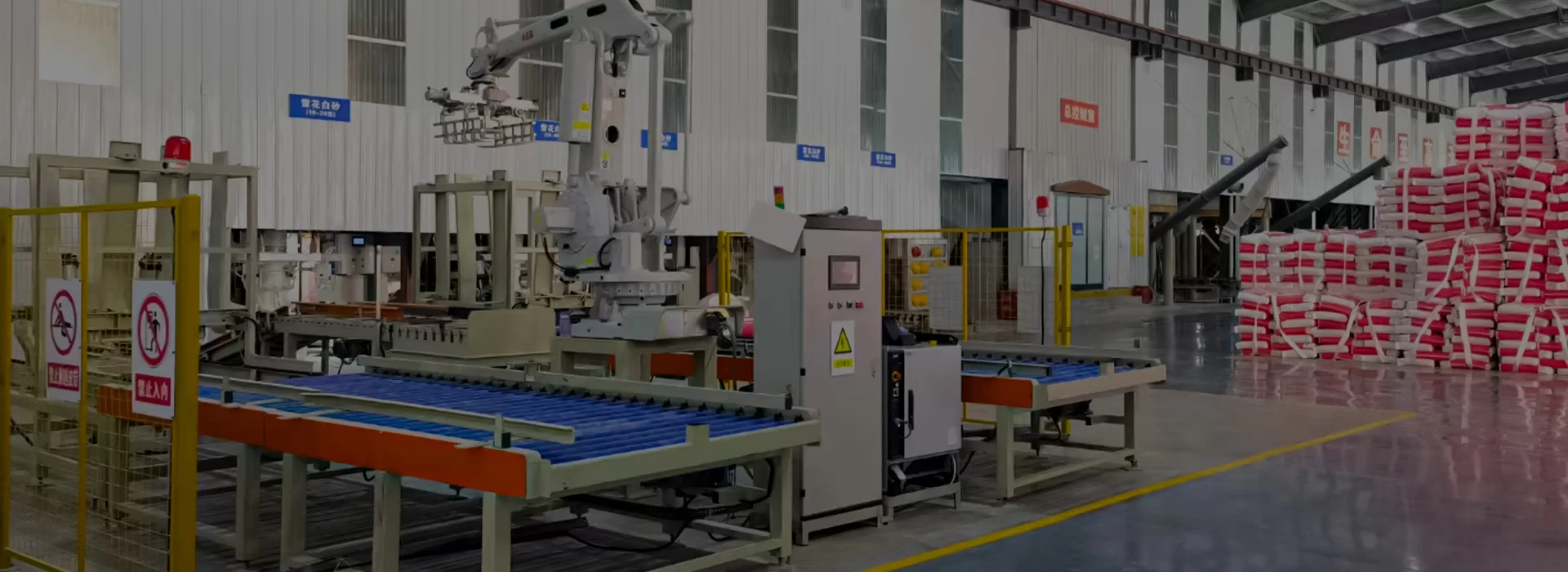
The increasing adoption of green building standards and policies is driving demand for sustainable materials like perlite recovery board. Automation in manufacturing processes will further reduce production costs and increase scalability. The development of closed-loop recycling systems for perlite will enhance its sustainability and minimize waste.
Furthermore, incorporating smart technologies, such as sensors and data analytics, into structures built with the board can optimize energy efficiency and monitor structural integrity, creating truly intelligent and resilient buildings.
Generally, perlite recovery board offers a significant cost advantage compared to conventional materials like concrete or timber, especially when factoring in transportation and labor costs. The use of recycled perlite and simplified assembly processes contribute to lower overall project expenses. While initial material costs might be comparable, the long-term savings from energy efficiency and reduced maintenance often make it a more economical choice.
Perlite recovery board exhibits good performance in a wide range of climates. Its thermal insulation properties make it suitable for both hot and cold environments. However, it's essential to consider local moisture conditions and potential exposure to extreme weather events. Appropriate coatings and sealants can be applied to enhance its water resistance and durability in challenging environments.
Perlite is naturally fire-resistant, and perlite recovery board generally achieves high fire safety ratings, often meeting or exceeding local building codes. Specific certifications will vary depending on the manufacturer and region, but typically include classifications for flame spread and smoke development. Always verify the relevant certifications for your specific application.
One of the key advantages of perlite recovery board is its ease of assembly. Structures can be built with minimal specialized skills, using simple tools and techniques. The boards are lightweight and can be easily cut and fastened together, reducing construction time and labor costs. Basic training can empower local communities to participate in the building process.
The lifespan of structures built with perlite recovery board depends on several factors, including environmental conditions, maintenance practices, and the quality of construction. With proper maintenance and protective coatings, these structures can have a lifespan comparable to those built with conventional materials – often exceeding 20 years. Ongoing research aims to further enhance the durability and longevity of the material.
Yes, perlite recovery board is considered a highly sustainable material. It utilizes recycled perlite, reducing waste and minimizing the demand for virgin resources. The manufacturing process is relatively low-energy, and the boards offer excellent thermal insulation, reducing energy consumption during building operation. Its lightweight nature also reduces transportation emissions, contributing to a lower carbon footprint.
In conclusion, perlite recovery board represents a transformative solution in the realm of sustainable building materials. Its unique combination of affordability, durability, fire resistance, and environmental friendliness positions it as a critical tool for addressing the global housing crisis and building resilient communities. From disaster relief to affordable housing projects and remote industrial applications, its versatility and ease of use make it a compelling choice for a wide range of scenarios.
Looking ahead, continued innovation and investment in this technology will unlock even greater potential. The integration of advanced manufacturing techniques, smart technologies, and closed-loop recycling systems will further enhance its sustainability and scalability. We encourage architects, engineers, policymakers, and humanitarian organizations to explore the benefits of perlite recovery board and consider its application in their projects. Visit our website at www.cnfloormaterials.com to learn more and discover how we can partner with you to build a more sustainable future.

If you are interested in our products, you can choose to leave your information here, and we will be in touch with you shortly.