Silica quartz sand, a seemingly simple material, plays a crucial role in countless industries and applications globally. From the glass that forms our windows to the foundries that produce metal components, its unique properties are indispensable. Understanding the characteristics, sourcing, and applications of silica quartz sand is becoming increasingly important as demand grows and sustainable practices become paramount.
The global demand for silica quartz sand is experiencing steady growth, driven by expansion in construction, manufacturing, and energy sectors. Statistics from the United Nations indicate a consistent upward trend in mineral extraction, with silica sand being a significant component. This rising demand presents both opportunities and challenges, particularly concerning responsible mining and environmental impact.
The challenge lies in balancing economic development with environmental sustainability and ensuring ethical sourcing. The increasing scrutiny of resource extraction necessitates a deeper understanding of the lifecycle of silica quartz sand – from its origin to its end use – fostering innovation in extraction, processing, and application.
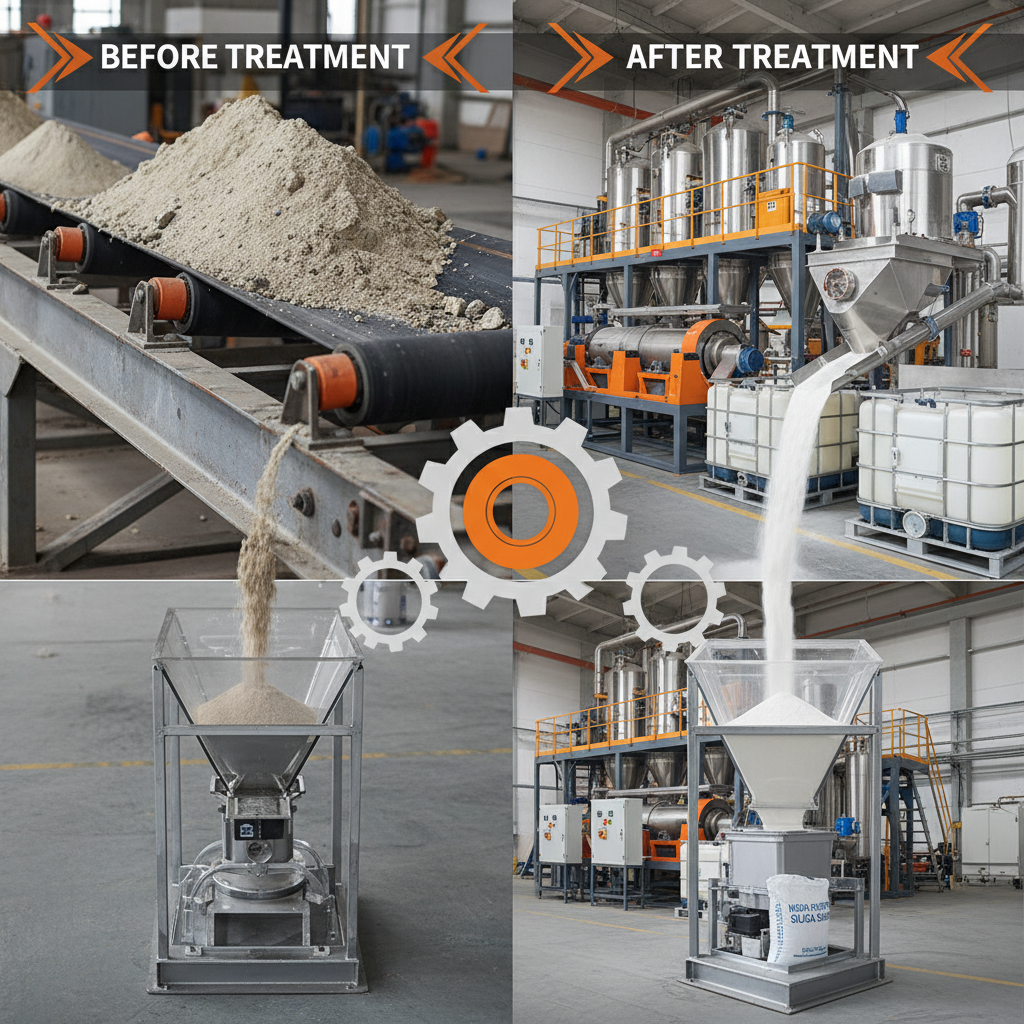
Introduction to Silica Quartz Sand
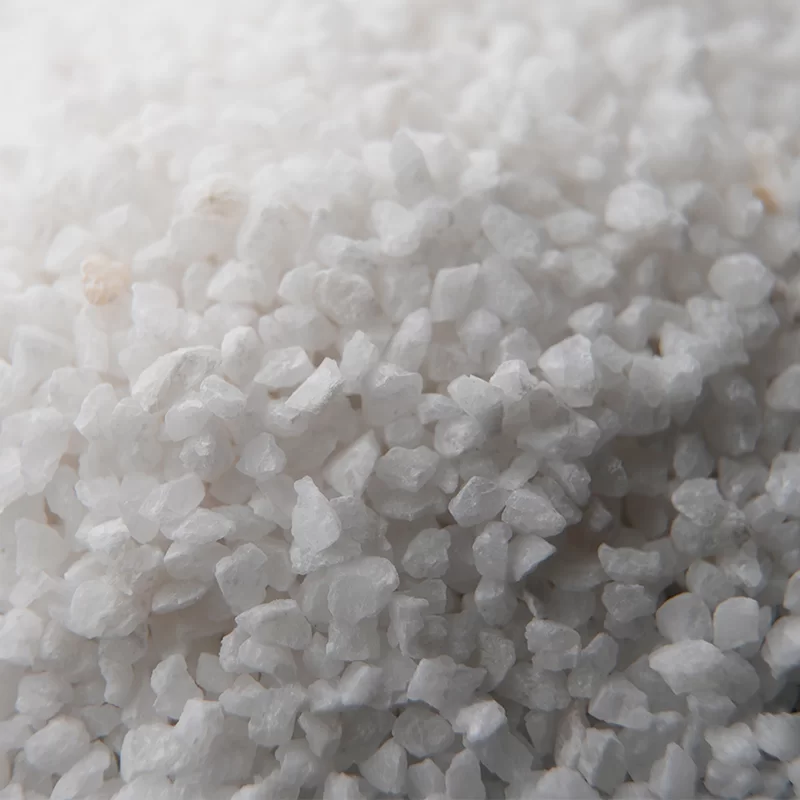
Silica quartz sand, also known as industrial sand, is a naturally occurring granular material composed of silicon dioxide (SiO2). It’s formed by the weathering and erosion of quartz-bearing rocks over millennia. Its durability and chemical inertness make it a critical resource in numerous sectors.
Its applications are diverse, ranging from the production of glass and ceramics to use as a proppant in hydraulic fracturing. Understanding its properties – particle size, shape, purity, and mineral composition – is paramount for optimizing performance in specific applications. The quality of silica quartz sand directly impacts the final product.
Global Relevance of Silica Quartz Sand
The global silica quartz sand market is estimated to be worth billions of dollars, with significant production centers in the United States, Australia, and China. According to the U.S. Geological Survey, the United States produced approximately 33.8 million metric tons of industrial sand and gravel in 2022, much of which was silica sand. This material is critical for infrastructure development and manufacturing output worldwide.
The growing demand for glass in construction and automotive industries, coupled with the expansion of the oil and gas sector (specifically hydraulic fracturing), drives global demand. Moreover, the rising use of silica quartz sand in foundries for metal casting and in the production of specialty chemicals further increases its importance in the global economy.
However, the increasing demand also poses environmental challenges. Unsustainable mining practices can lead to habitat destruction and water contamination, emphasizing the need for responsible sourcing and innovative extraction techniques. The ISO 14001 standard for environmental management systems is increasingly being adopted by silica sand producers to mitigate these impacts.
Defining Silica Quartz Sand
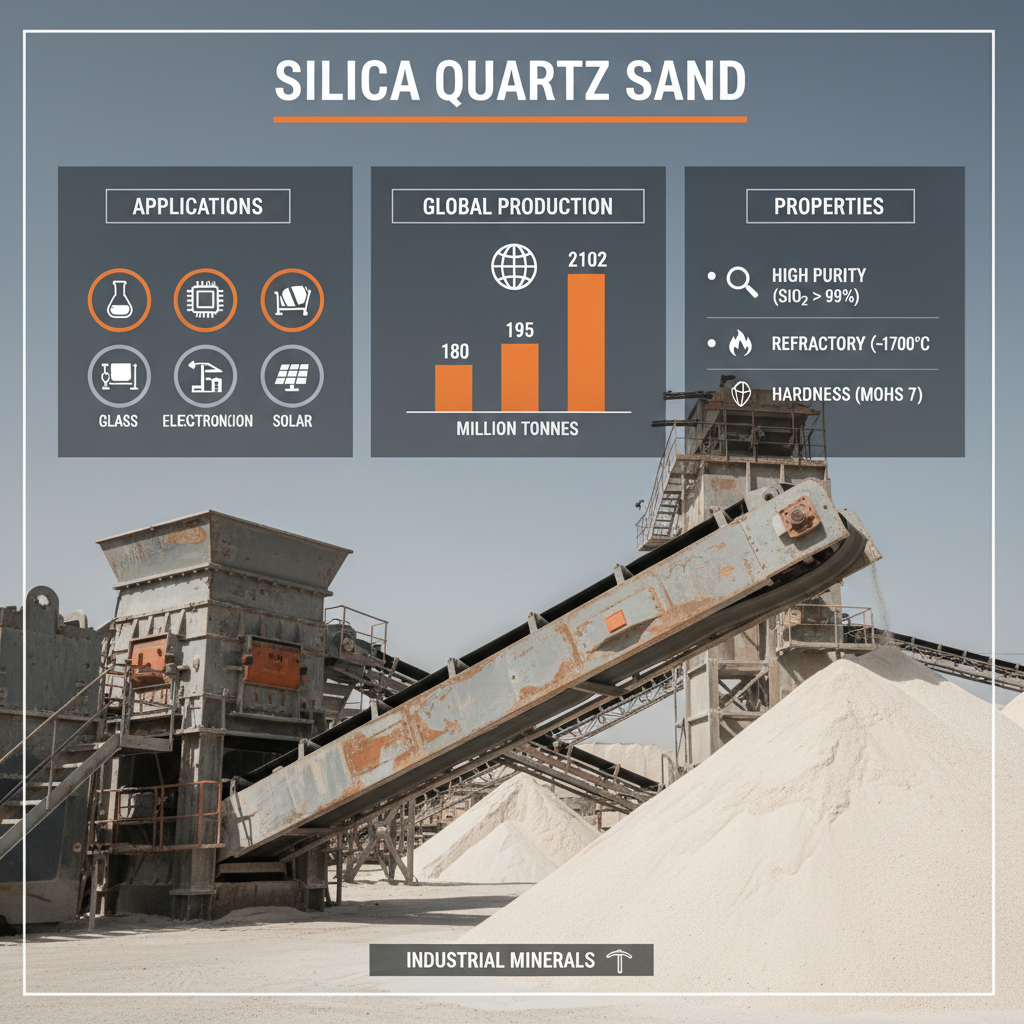
Silica quartz sand is defined as granular material composed of nearly pure silicon dioxide. The particle size typically ranges from 0.063mm to 2mm, classifying it as sand. It’s characterized by its hardness (7 on the Mohs scale), chemical inertness, and high melting point. These properties make it suitable for a wide range of industrial applications.
Its connection to modern industry is undeniable. Without silica quartz sand, the production of everyday items like windows, smartphones, and fiberglass insulation would be impossible. The material also plays a crucial role in the development of advanced technologies, such as semiconductors and solar panels. silica quartz sand truly is the unseen foundation of much of modern life.
The quality of silica quartz sand is assessed based on several factors, including grain size distribution, shape, and chemical purity. Different applications require different specifications. For example, glass manufacturing requires highly pure sand with a consistent grain size, while hydraulic fracturing may tolerate lower purity but require specific particle size ranges for optimal proppant performance.
Key Properties of Silica Quartz Sand
Several key properties contribute to the widespread use of silica quartz sand. First, its Durability stems from the inherent strength of quartz crystals, allowing it to withstand harsh conditions and abrasion. Second, its Chemical Inertness means it doesn't readily react with other substances, maintaining its purity and properties in various applications.
Third, its High Melting Point (approximately 1713°C) makes it ideal for high-temperature processes like glass manufacturing and foundry work. Fourth, its Permeability allows fluids to flow through it, a crucial property for its use as a filtration medium and proppant. Fifth, its Abundance and relatively low cost contribute to its economic viability.
Silica Quartz Sand Property Ratings
Applications Across Industries
The applications of silica quartz sand are incredibly diverse. In the glass industry, it’s the primary component of most types of glass, including container glass, flat glass, and specialty glass. In construction, it’s used in concrete, asphalt, and paving materials, providing strength and durability.
In the energy sector, it’s a critical proppant in hydraulic fracturing, helping to maintain permeability in shale formations and enhance oil and gas recovery. In the foundry industry, it’s used to create molds for metal casting. It’s also used in the production of ceramics, paints, plastics, and even water filtration systems. In post-disaster relief operations, silica sand can be crucial for establishing clean water sources through filtration.
Advantages and Long-Term Value
The advantages of using silica quartz sand are numerous. Its cost-effectiveness, due to its abundance, makes it an attractive material for large-scale applications. Its durability ensures long-lasting performance, reducing the need for frequent replacements. It’s also a relatively sustainable material, as quartz is a naturally occurring resource.
From a societal standpoint, silica quartz sand contributes to infrastructure development, economic growth, and technological innovation. Its use in water filtration systems improves public health, and its role in renewable energy technologies supports a more sustainable future. The reliability of silica quartz sand translates to safer, more dependable products and processes.
Future Trends and Challenges
Future trends in the silica quartz sand industry are focused on sustainability and innovation. There’s growing interest in developing more environmentally friendly mining practices, reducing water consumption, and minimizing land disturbance. The development of alternative proppants and the exploration of recycled silica sand are also gaining traction.
Digital transformation and automation are playing an increasing role in optimizing extraction and processing operations. The use of data analytics and machine learning can help improve efficiency, reduce waste, and enhance quality control. The increasing focus on green energy and sustainable materials will likely drive further demand for silica quartz sand in solar panel manufacturing and other renewable energy applications.
However, challenges remain. Maintaining consistent quality, addressing environmental concerns, and navigating regulatory hurdles are key obstacles. Ensuring responsible sourcing and promoting circular economy principles will be crucial for the long-term sustainability of the silica quartz sand industry.
Summary of Silica Quartz Sand Challenges and Solutions
| Challenge Area |
Severity (1-10) |
Potential Solution |
Implementation Cost (USD) |
| Environmental Impact of Mining |
8 |
Implement Closed-Loop Water Systems & Land Reclamation |
$500,000 - $2M |
| Maintaining Silica Sand Purity |
7 |
Advanced Filtration & Sorting Technologies |
$200,000 - $1M |
| Supply Chain Disruptions |
6 |
Diversify Sourcing Locations & Build Strategic Reserves |
$100,000 - $500,000 |
| Worker Health & Safety (Silicosis) |
9 |
Implement Dust Control Measures & Provide Respiratory Protection |
$50,000 - $200,000 |
| Regulatory Compliance Costs |
5 |
Invest in Environmental Monitoring & Reporting Systems |
$30,000 - $100,000 |
| Public Perception & Social License |
4 |
Community Engagement & Transparency Initiatives |
$20,000 - $50,000 |
FAQS
Silica quartz sand is fundamental to several industries. The most significant uses include glassmaking (around 70% of global consumption), foundries for metal casting, construction materials like concrete and asphalt, oil and gas proppants for hydraulic fracturing, and various specialty applications like water filtration and ceramics. Its versatility stems from its chemical inertness, durability, and thermal properties.
Quality is assessed based on several criteria: grain size distribution (particle size analysis), shape (angularity vs. roundness), chemical purity (SiO2 content and presence of contaminants), and mineral composition. Different applications require specific specifications. For example, glassmaking demands high purity and uniform grain size, while proppant use prioritizes crush resistance and permeability.
Mining silica sand can lead to habitat destruction, soil erosion, water contamination, and dust pollution. Unsustainable practices can disrupt local ecosystems and impact water resources. Responsible mining involves implementing measures like land reclamation, water management, dust control, and biodiversity conservation to minimize environmental damage.
Yes, research is ongoing to develop alternatives. In hydraulic fracturing, ceramic proppants are sometimes used. Recycled glass cullet can partially replace silica sand in some glass manufacturing processes. However, these alternatives often come with cost or performance trade-offs and haven't yet achieved widespread adoption.
Regulations vary significantly by country and region. Generally, they cover land use permitting, water discharge, air emissions, worker safety, and environmental impact assessments. In the US, the Mine Safety and Health Administration (MSHA) regulates worker safety, while the Environmental Protection Agency (EPA) oversees environmental protection. Compliance with ISO 14001 is increasingly common.
Sustainability can be improved through closed-loop water systems, land reclamation initiatives, reduced dust emissions, utilization of renewable energy sources, and promoting circular economy principles (like recycling silica sand from industrial waste streams). Transparency and community engagement are also crucial for building trust and ensuring long-term viability.
Conclusion
Silica quartz sand is an undeniably vital material underpinning a multitude of industries and essential modern technologies. From the glass we use daily to the energy resources that power our lives, its unique properties make it indispensable. Understanding its characteristics, applications, and the evolving challenges related to its sourcing and sustainability is critical for responsible resource management.
Looking ahead, continued innovation in mining practices, the exploration of alternative materials, and a commitment to circular economy principles will be crucial for ensuring a sustainable future for the silica quartz sand industry. Further research and investment in cleaner extraction techniques and waste reduction strategies will pave the way for a more environmentally responsible and economically viable silica sand supply chain. For more information on our silica quartz sand products and services, visit our website today.