Perlite board insulation is rapidly gaining prominence as a sustainable and effective building material, addressing critical needs for energy efficiency, fire resistance, and lightweight construction globally. Its unique properties, derived from expanded volcanic glass, make it a versatile solution for diverse climates and applications, from residential buildings to industrial facilities. Understanding its benefits and applications is crucial for architects, builders, and policymakers aiming for sustainable development.
The global construction industry is facing increasing pressure to reduce its environmental footprint. Traditional insulation materials often have high embodied energy and contribute to greenhouse gas emissions. Perlite board insulation offers a compelling alternative, utilizing a naturally occurring material and requiring less energy to produce. This shift aligns with international sustainability goals, like those outlined by the UN’s Sustainable Development Goals, particularly those related to affordable and clean energy (SDG 7) and sustainable cities and communities (SDG 11).
Furthermore, the demand for resilient infrastructure is growing due to climate change and increasing disaster risks. Perlite board insulation provides exceptional fire protection, adding a critical safety layer to buildings in vulnerable areas. Its lightweight nature also simplifies transportation and installation, making it a practical solution for remote locations and rapid deployment scenarios.
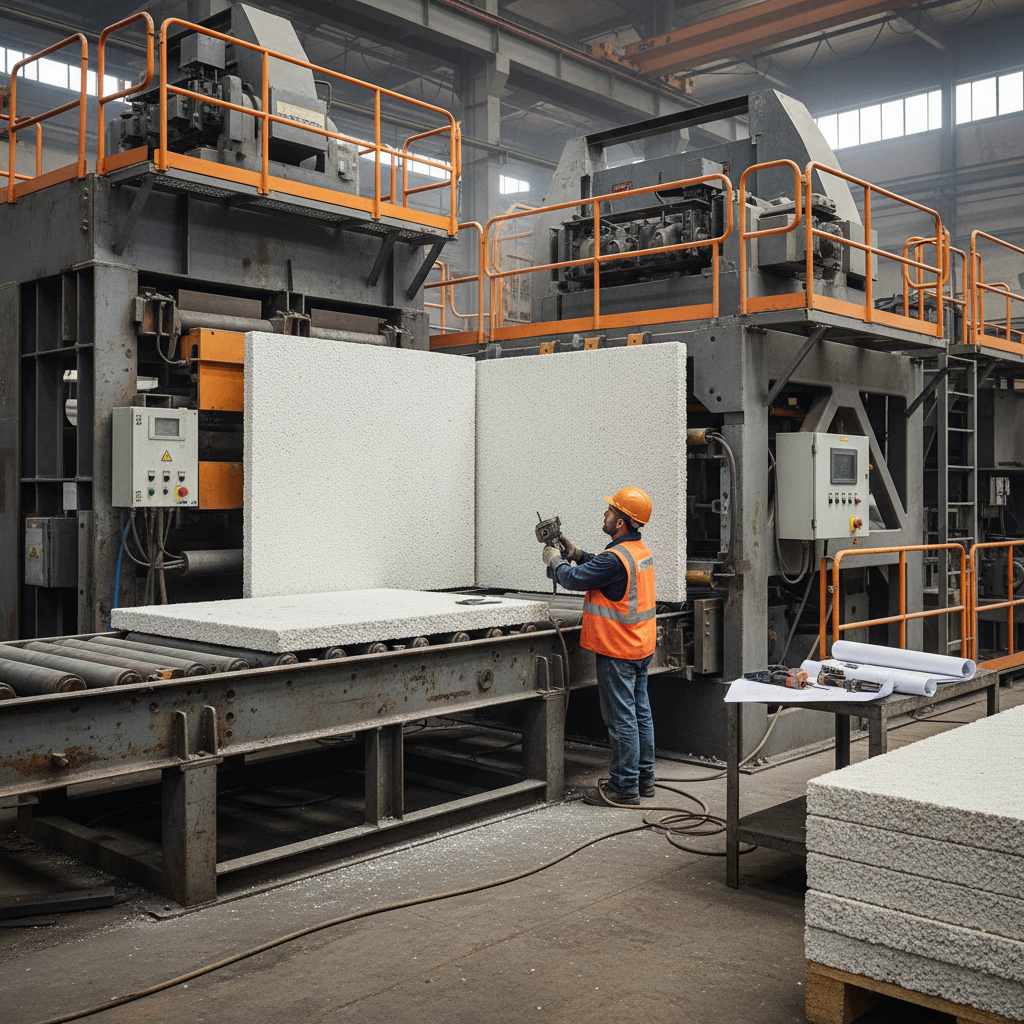
Introduction to perlite board insulation
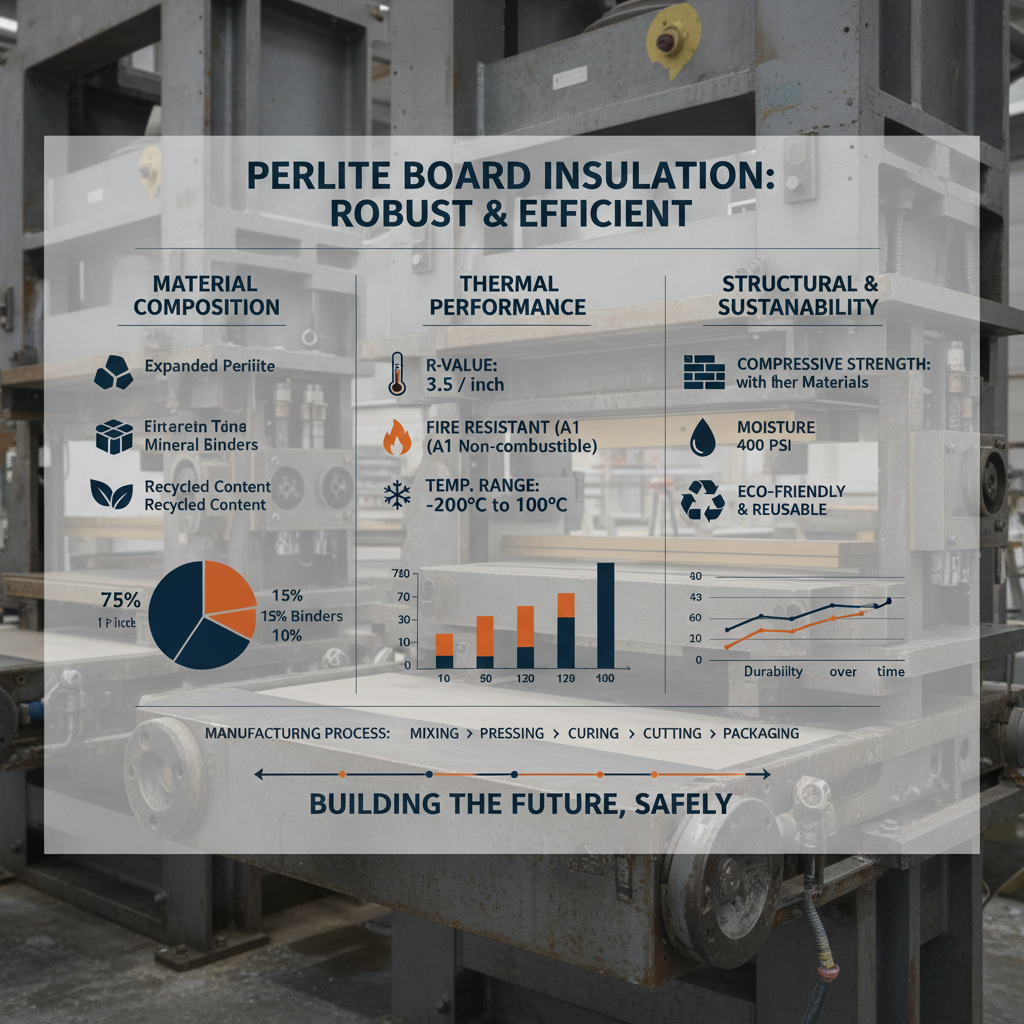
Perlite board insulation represents a significant advancement in building material technology. It’s manufactured by combining expanded perlite—a volcanic glass that’s heated to create a lightweight, porous material—with a binding agent. This results in rigid boards with excellent thermal, acoustic, and fire-resistant properties. perlite board insulation is increasingly favored over traditional materials in numerous applications.
The increasing adoption of perlite board insulation isn’t just a trend; it’s a response to growing demands for more sustainable and high-performance building solutions. With growing environmental concerns and stricter building codes, architects and engineers are actively seeking materials that minimize environmental impact while maximizing building efficiency and safety. This makes perlite board insulation an ideal choice for a wide range of construction projects.
Defining Perlite Board Insulation
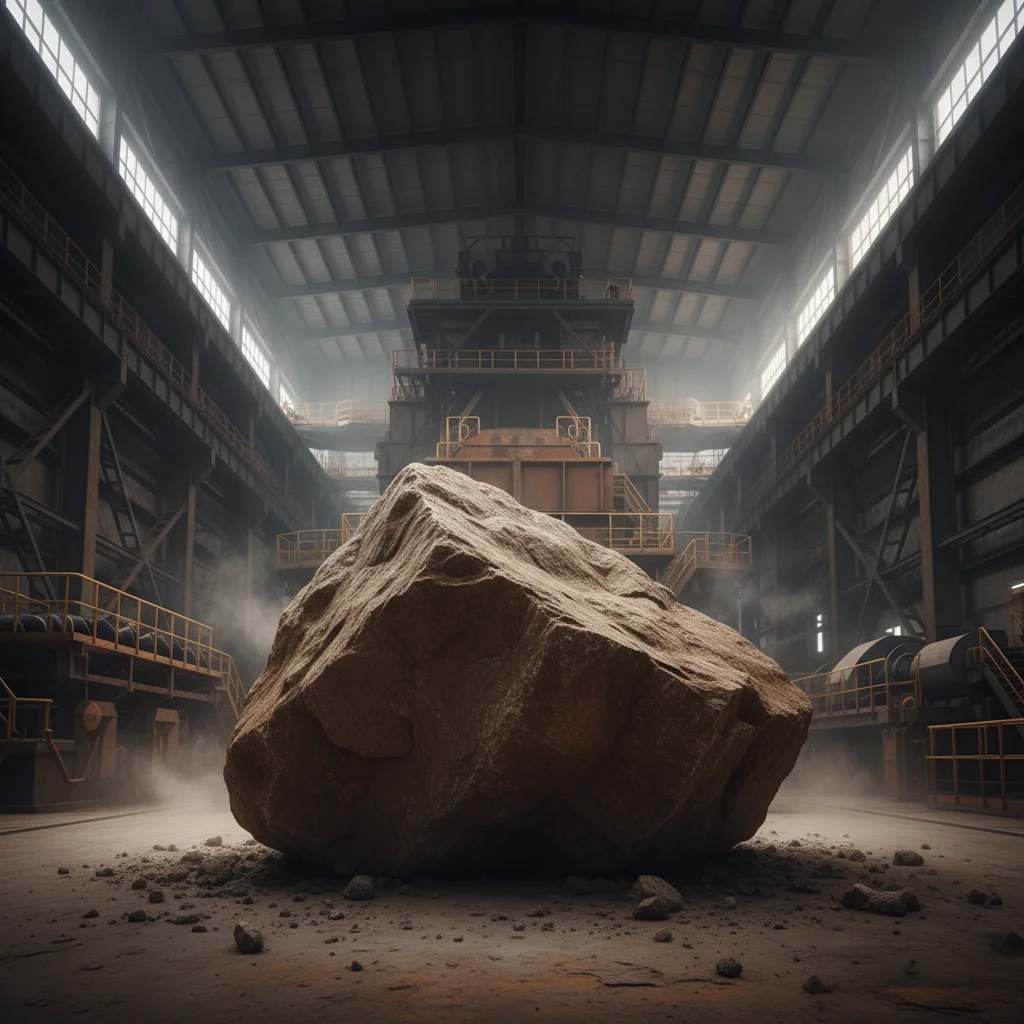
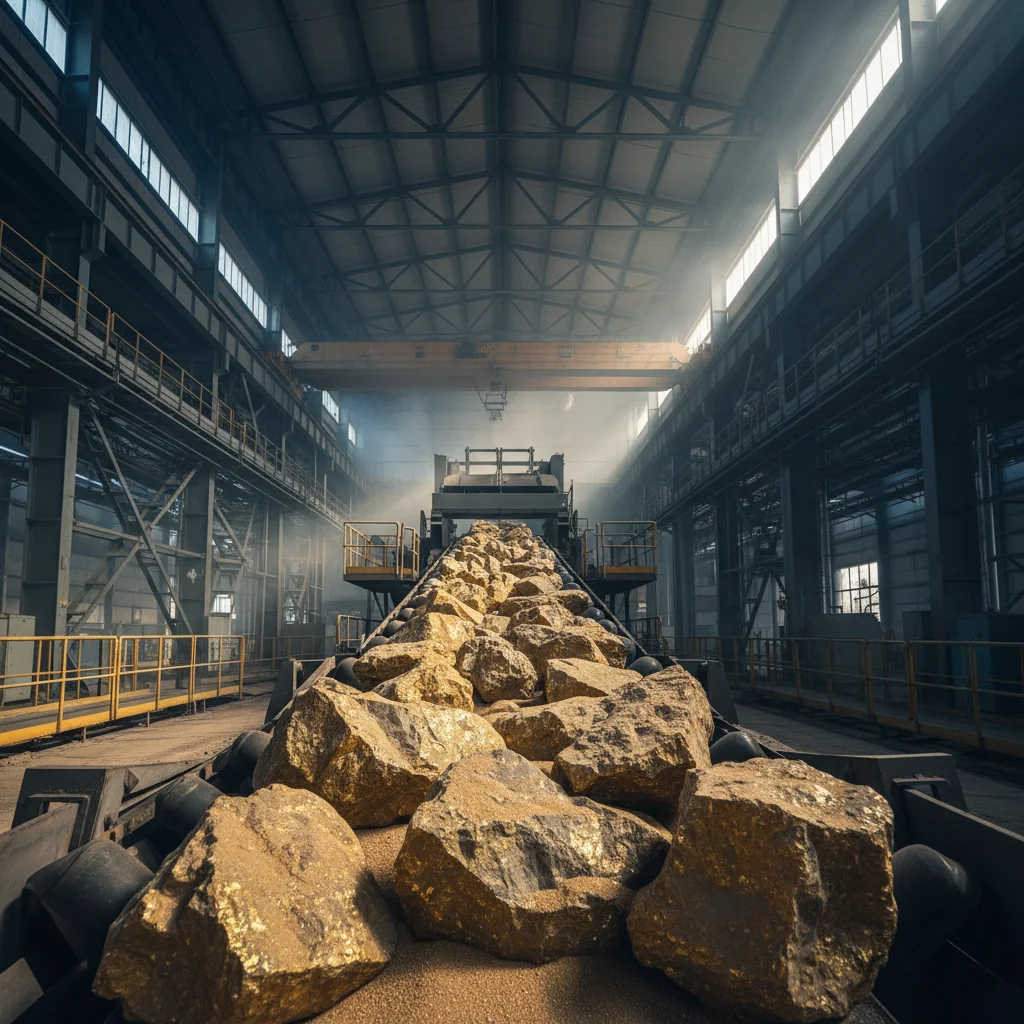
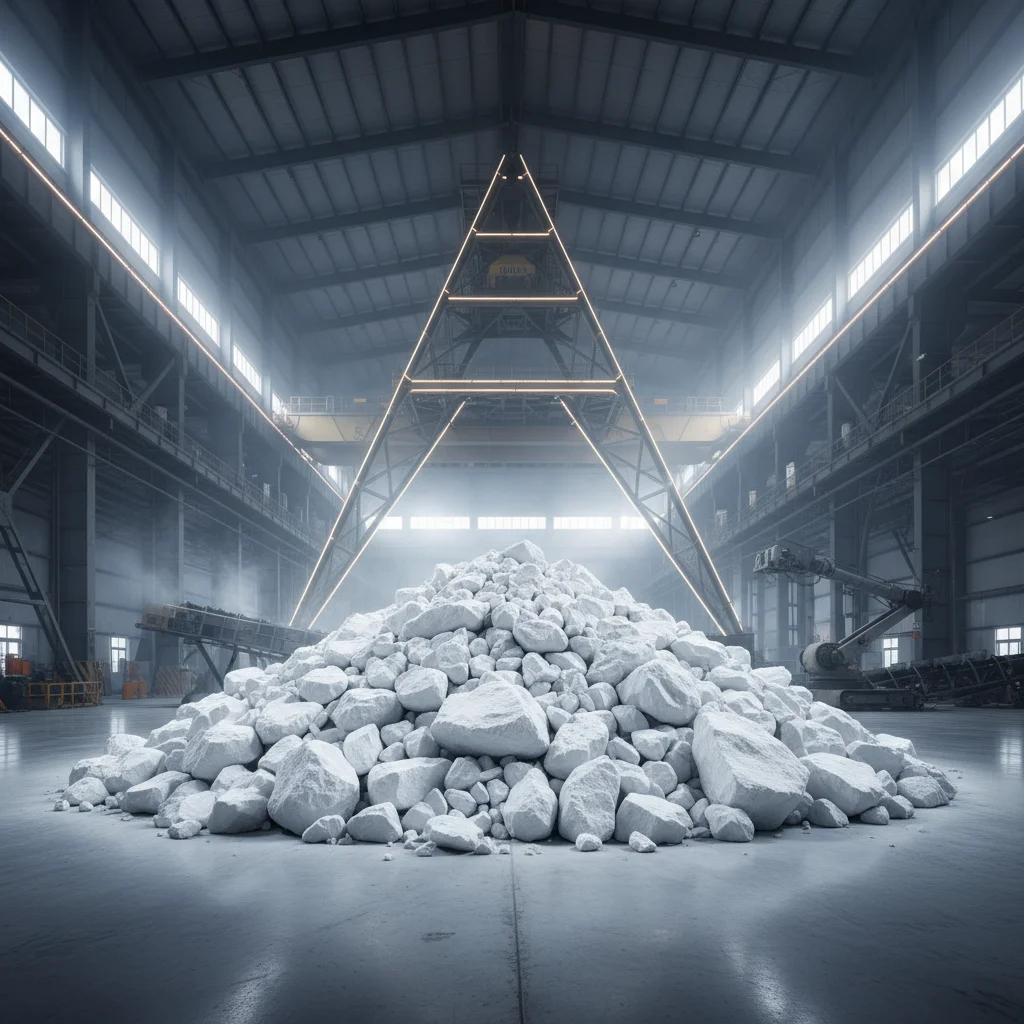
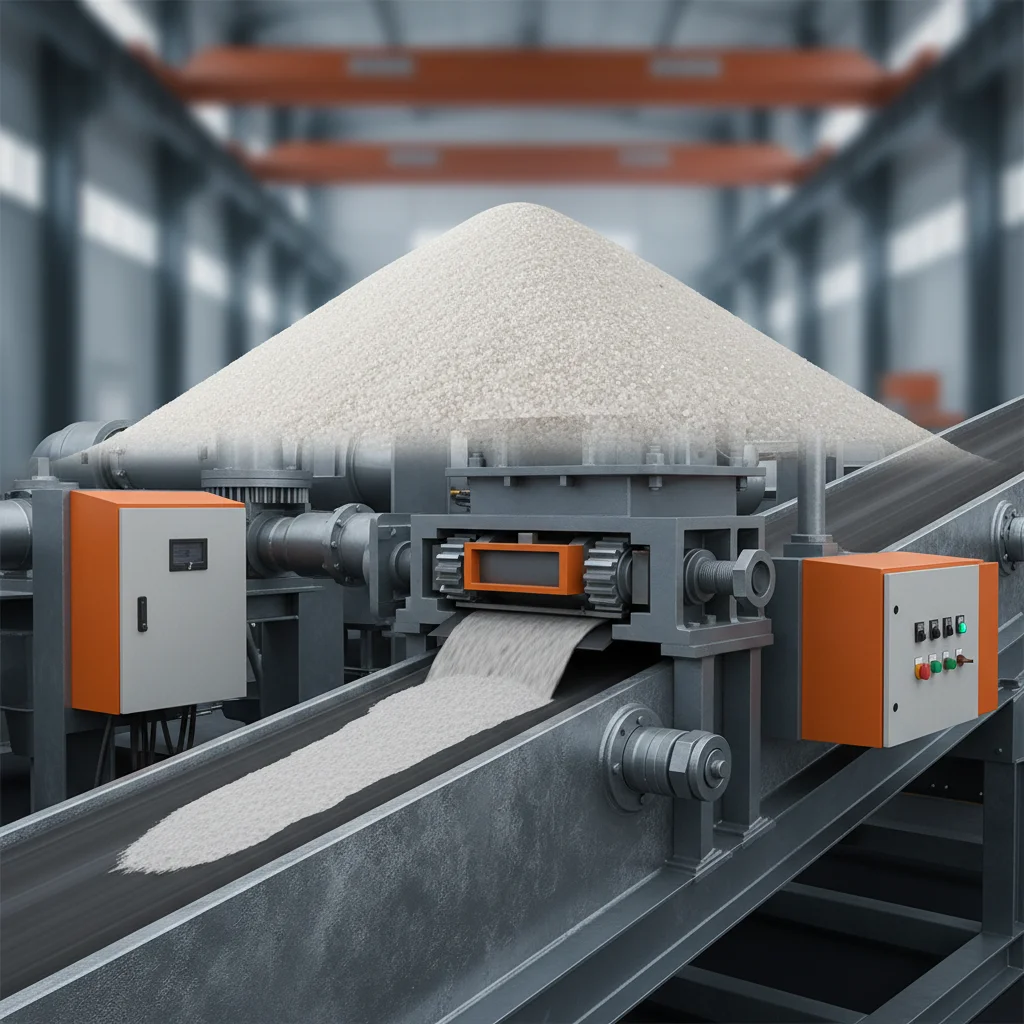
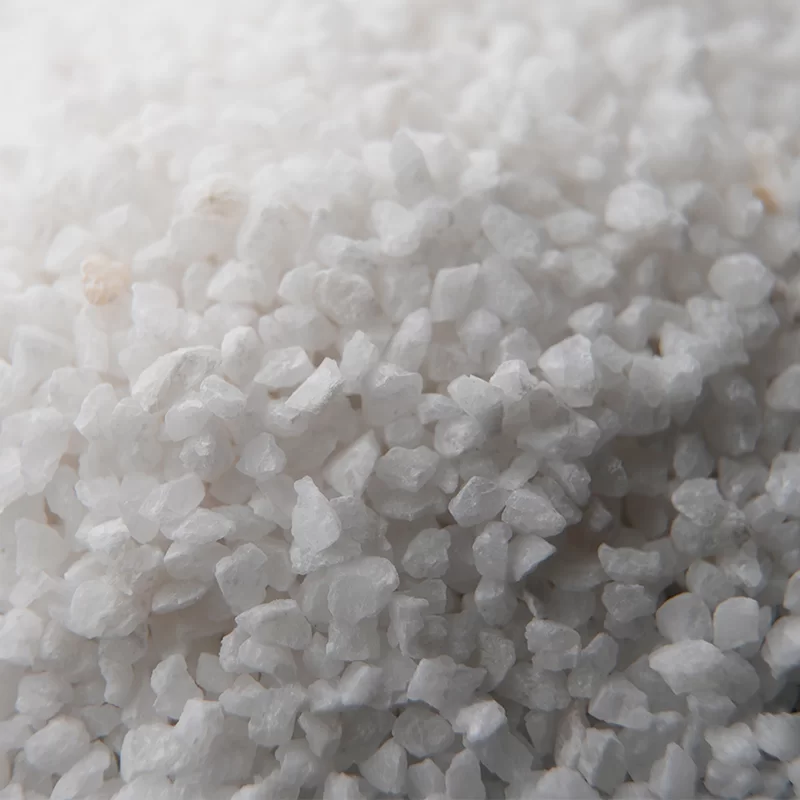
Perlite board insulation is a manufactured product created by combining expanded perlite with a suitable binder, typically cement or gypsum. Expanded perlite itself is produced by rapidly heating volcanic glass, causing it to expand dramatically – sometimes up to 20 times its original volume – creating a lightweight, cellular structure. This expanded perlite is then mixed with the binder and formed into rigid boards of various thicknesses and densities.
The connection to modern industry stems from the growing demand for energy-efficient building materials and fire-resistant construction. Perlite board insulation directly addresses these needs, offering superior thermal performance and non-combustibility. Its application extends beyond traditional construction, encompassing industrial insulation, cryogenic applications, and even horticultural uses, showcasing its versatility.
Ultimately, perlite board insulation represents a crucial intersection of resourcefulness, innovation, and sustainability. It utilizes a naturally occurring material, transforming it into a valuable building component that contributes to a safer and more environmentally responsible built environment.
Key Properties of perlite board insulation
Durability is a cornerstone of perlite board insulation. It is highly resistant to moisture, mold, and pests, ensuring a long service life with minimal maintenance. This resilience makes it a particularly attractive option for challenging environments and regions prone to humidity or biological degradation. Its dimensional stability also prevents shrinking or settling, preserving its insulating properties over time.
Fire resistance is perhaps the most significant attribute of perlite board insulation. Perlite itself is naturally non-combustible and retains this property within the board. It can withstand extremely high temperatures – often exceeding 1000°C (1832°F) – without melting or releasing toxic fumes, making it an exceptional passive fire protection material.
Lightweight construction is another key benefit. The expanded perlite core contributes to a remarkably low density, simplifying handling, transportation, and installation. This reduced weight also minimizes structural load on buildings, potentially lowering construction costs and expanding design possibilities.
Applications of perlite board insulation
The versatility of perlite board insulation lends itself to a broad spectrum of applications. In residential construction, it’s commonly used for wall, roof, and floor insulation, enhancing energy efficiency and occupant comfort. Its fire-resistant properties make it especially valuable in areas with stringent fire safety regulations.
Industrial facilities benefit greatly from perlite board insulation, particularly in high-temperature applications like furnace linings, kiln insulation, and boiler enclosures. Its thermal stability and resistance to chemical corrosion make it ideal for these demanding environments. Additionally, it’s used extensively in the cryogenic industry for insulating tanks and pipelines used to store and transport liquefied gases.
Comparative Performance of Perlite Board Insulation Applications
Global Use Cases of perlite board insulation
In post-disaster relief operations, perlite board insulation is increasingly used in the construction of temporary shelters and emergency housing. Its lightweight nature and ease of assembly allow for rapid deployment, providing immediate protection and comfort to affected communities. This is particularly important in regions prone to earthquakes, hurricanes, or floods.
Across Europe, perlite board insulation is gaining traction in retrofit projects aimed at improving the energy efficiency of existing buildings. Government incentives and stricter building codes are driving demand for high-performance insulation materials, and perlite board offers a cost-effective and sustainable solution.
In remote industrial zones of Australia and Canada, perlite board insulation is utilized in mining and resource extraction facilities to provide thermal control and fire protection in harsh environments. Its durability and resistance to extreme temperatures make it an ideal choice for these challenging applications.
Advantages and Long-Term Value
The cost-effectiveness of perlite board insulation is a significant advantage. While the initial cost may be comparable to some traditional materials, its long lifespan, minimal maintenance requirements, and energy savings translate to substantial long-term value. Reduced energy consumption translates into lower utility bills for building owners and tenants.
From a sustainability perspective, perlite is a naturally occurring resource, and its processing requires less energy than many other insulation materials. Perlite board insulation contributes to a lower carbon footprint and aligns with green building certifications like LEED. The inherent fire resistance also enhances building safety and potentially reduces insurance costs.
Future Trends in perlite board insulation
Ongoing research is focused on enhancing the performance of perlite board insulation through the incorporation of novel additives and manufacturing techniques. The development of bio-based binders promises to further improve its sustainability profile. Researchers are also exploring the potential of using recycled perlite in board production, creating a truly circular economy solution.
The integration of digital technologies, such as Building Information Modeling (BIM), will streamline the design and installation of perlite board insulation, improving efficiency and reducing waste. Automated manufacturing processes will also likely drive down production costs and increase scalability, making perlite board insulation even more accessible.
Challenges and Solutions
One common challenge is the relatively lower compressive strength of perlite board compared to some traditional materials. However, this can be addressed through the use of reinforcing fibers or laminating techniques to enhance its structural integrity. Proper design considerations and structural support can also mitigate this concern.
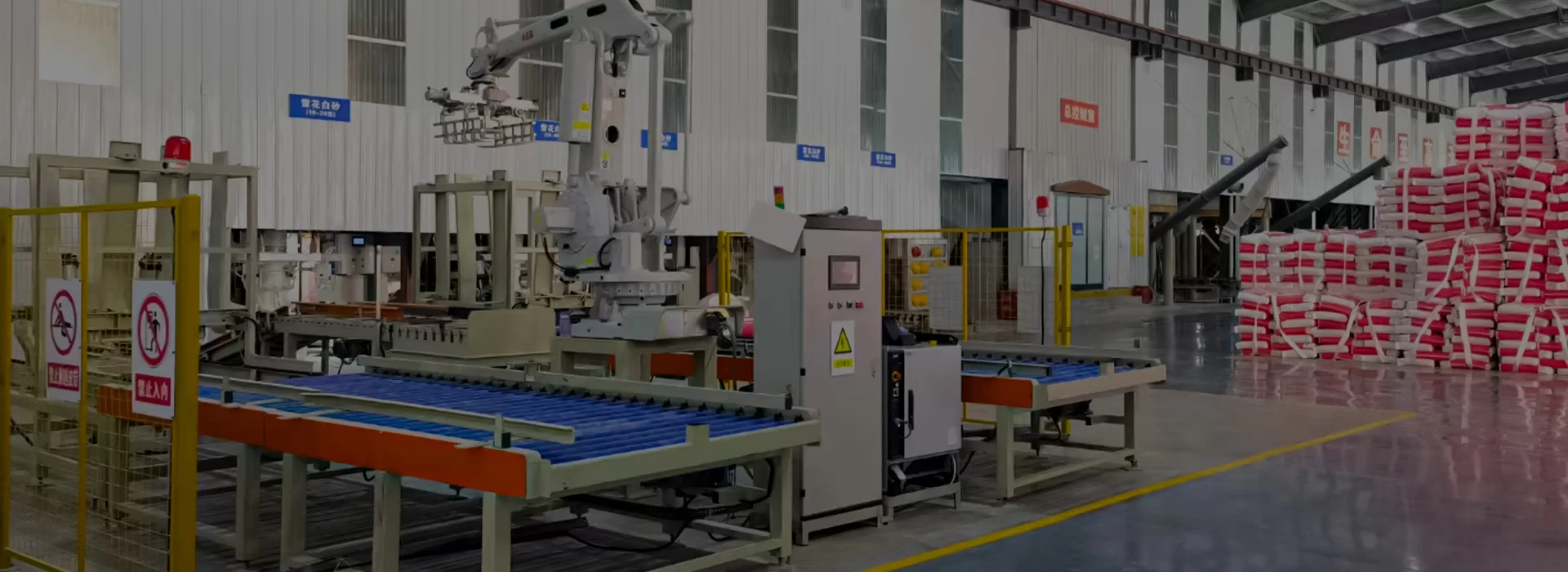
Another challenge is ensuring consistent quality control throughout the manufacturing process. Implementing rigorous testing protocols and adhering to industry standards are crucial for maintaining the performance and reliability of perlite board insulation. Investing in advanced manufacturing equipment and training personnel can further enhance quality control.
Finally, increasing awareness and educating stakeholders about the benefits of perlite board insulation is essential for wider adoption. Demonstrating its performance through case studies and providing technical support can help overcome misconceptions and encourage its use in a broader range of projects.
Overview of Key Factors Influencing Perlite Board Insulation Performance
| Material Composition |
Manufacturing Process |
Density (kg/m³) |
Thermal Conductivity (W/mK) |
| Perlite Quality |
Board Formation Technique |
70 |
0.035 |
| Binder Type (Cement/Gypsum) |
Curing Conditions |
90 |
0.038 |
| Additive Content (Reinforcing Fibers) |
Board Thickness (mm) |
110 |
0.040 |
| Moisture Content |
Pressing Pressure |
130 |
0.042 |
| Perlite Particle Size |
Surface Treatment |
150 |
0.045 |
| Binder-to-Perlite Ratio |
Quality Control Measures |
170 |
0.048 |
FAQS
Perlite board insulation excels in fire resistance due to the inherent non-combustible nature of perlite, a volcanic glass. It can withstand temperatures exceeding 1000°C without melting or releasing toxic fumes. This characteristic makes it a valuable passive fire protection material, delaying flame spread and providing crucial evacuation time. It’s often used in areas requiring stringent fire safety standards, such as building cores, firewalls, and around structural steel. Its ability to maintain structural integrity during a fire significantly enhances building safety.
The significantly lower weight of perlite board insulation compared to traditional materials leads to substantial reductions in installation costs. Lighter boards are easier and faster to handle, requiring less labor and specialized equipment. Transportation costs are also reduced due to lower shipping weights. Furthermore, the reduced load on building structures can potentially decrease the need for costly structural reinforcements. These factors combine to make perlite board a cost-effective insulation solution.
Perlite board insulation is considered an environmentally friendly building material. Perlite is a naturally occurring volcanic glass, making it a sustainable resource. Its manufacturing process generally requires less energy than producing many other insulation materials. Furthermore, its long lifespan, durability, and recyclability contribute to a lower lifecycle environmental impact. The use of bio-based binders is being actively researched to further enhance its sustainability.
Perlite board insulation provides effective soundproofing due to its cellular structure, which absorbs and dampens sound waves. It’s commonly used in interior walls, partitions, and floor assemblies to reduce noise transmission. It’s particularly beneficial in spaces requiring acoustic control, such as studios, offices, and residential buildings. Combining perlite board with other soundproofing materials can create highly effective sound barriers.
Perlite board insulation offers competitive thermal performance, with thermal conductivity values typically ranging from 0.035 to 0.048 W/mK. This is comparable to or slightly higher than some traditional insulation materials like fiberglass or mineral wool. However, the overall thermal performance also depends on board thickness, density, and installation quality. The superior fire resistance and durability of perlite board often outweigh slightly higher thermal conductivity in many applications.
Perlite board insulation requires minimal long-term maintenance. Its inherent resistance to moisture, mold, pests, and rot eliminates the need for regular treatments or replacements. Periodic inspections are recommended to ensure the boards remain intact and properly sealed. In most applications, perlite board insulation can provide decades of reliable performance with very little upkeep, making it a cost-effective choice over its lifespan.
Conclusion
In conclusion, perlite board insulation stands out as a compelling solution for modern construction challenges. Its unique combination of fire resistance, lightweight properties, thermal performance, and sustainability offers a significant advantage over traditional insulation materials. From enhancing building safety to reducing environmental impact, the benefits of perlite board insulation are far-reaching and contribute to a more resilient and sustainable built environment.
Looking ahead, continued innovation in material science and manufacturing processes will further enhance the performance and affordability of perlite board insulation. Wider adoption of this material will be crucial for meeting the growing demand for sustainable building solutions and creating a safer, more energy-efficient future. To learn more about the applications and benefits of perlite board insulation, visit our website: www.cnfloormaterials.com