0%

Table of Contents

Crystal quartz sand – it’s more than just pretty silica. I’ve spent years kicking around construction sites, and you quickly learn what materials truly deliver. It’s not always about the cheapest option, it’s about long-term performance, reliability, and frankly, making everyone’s job easier. Crystal quartz sand ticks those boxes. It’s the workhorse behind a lot of what we build, and honestly, a lot of folks underestimate its importance. Understanding its properties is key to building things that last.

From massive concrete pours to specialized coatings, this stuff is ubiquitous. It's not glamorous, but it's foundational. We're seeing increasing demand globally, driven by infrastructure projects in developing economies, but also a growing awareness of its unique benefits in more advanced applications. The challenges lie in sourcing sustainable supplies and maintaining consistent quality – things that keep engineers like me up at night.

It’s the unassuming ingredient that determines how a structure holds up to the elements, the wear and tear of daily life, and even seismic activity. Frankly, without a reliable source of high-quality crystal quartz sand, a lot of modern construction just wouldn’t be possible. It’s the bedrock of resilience, and in a world facing increasing climate risks, that’s a pretty big deal.
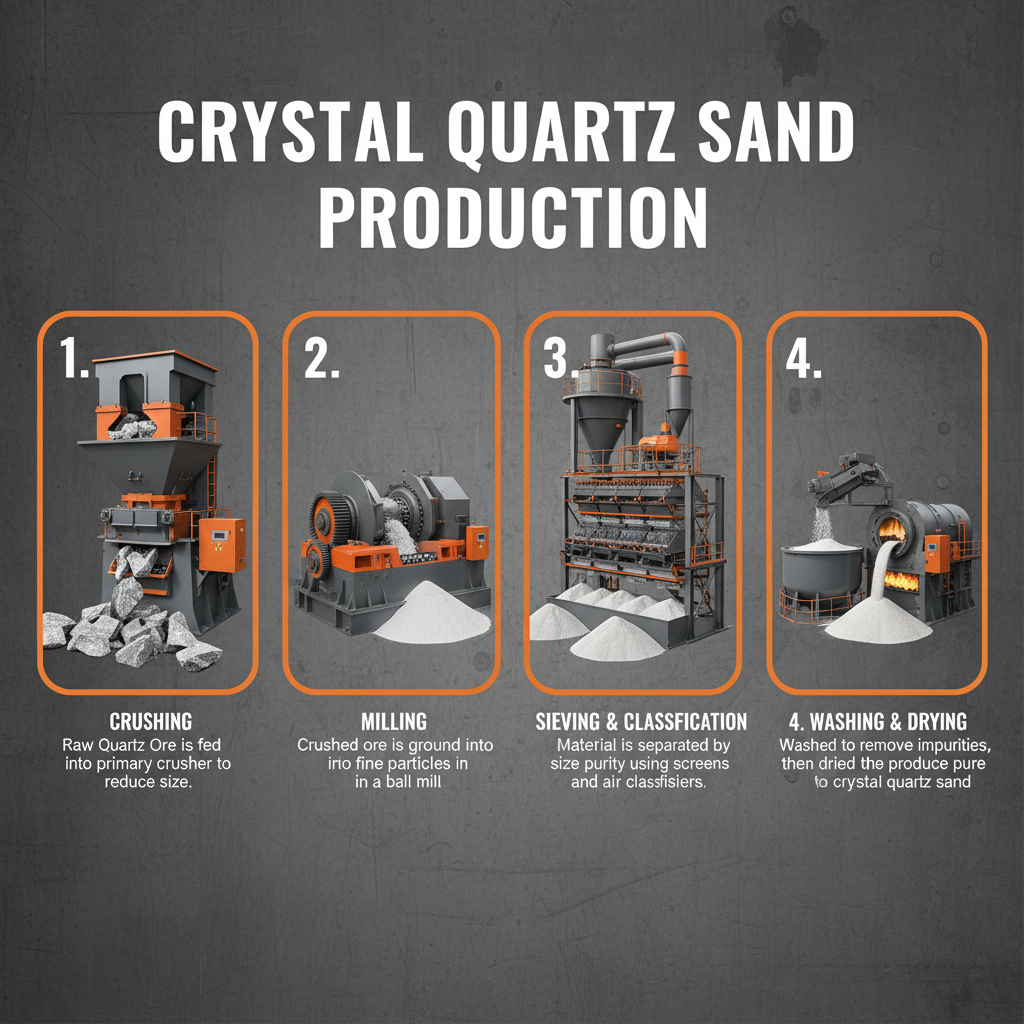
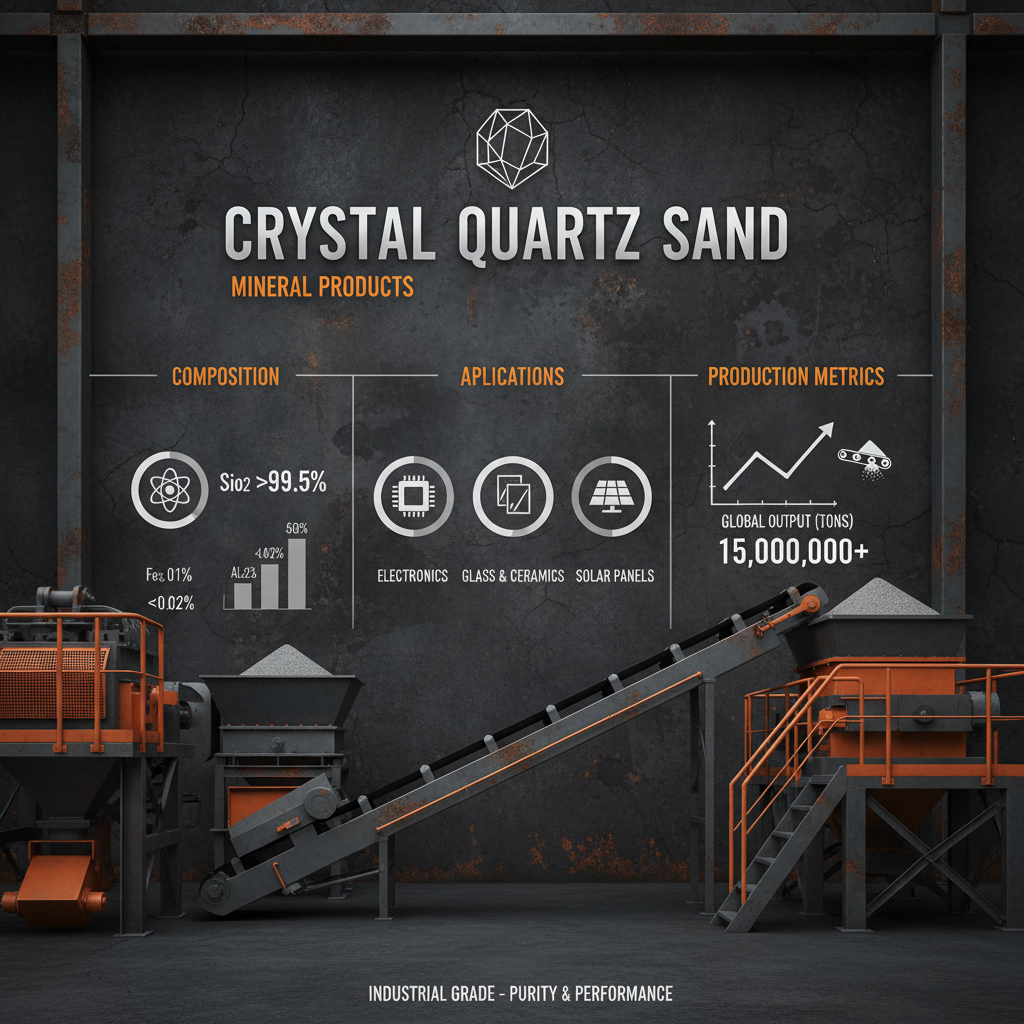
crystal quartz sand

The Importance of Crystal Quartz Sand in Construction

crystal quartz sand

As someone who spends their days on site, I can tell you firsthand that crystal quartz sand is rarely the first thing people talk about, but it's always essential. We're talking about a critical component in concrete, asphalt, and a host of other building materials. Its chemical inertness and hardness mean it’s incredibly durable. It's not just about adding bulk; it contributes to the structural integrity of everything from skyscrapers to sidewalks.

The global construction industry is a multi-trillion dollar market, and crystal quartz sand is woven into the fabric of almost every project. ISO standards for aggregate quality are constantly evolving, driving the demand for consistent and high-purity sources of this material. Ignoring the quality of your sand is like building a house on a shaky foundation – eventually, something will give.

Defining Crystal Quartz Sand: Beyond the Grain

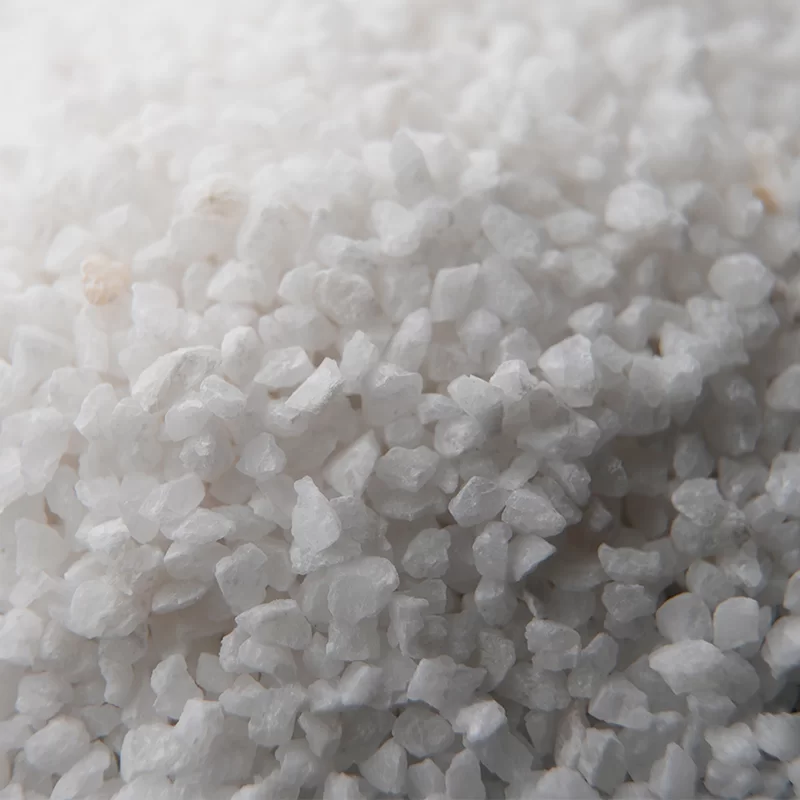
Crystal quartz sand isn’t just any sand. It’s composed of silicon dioxide (SiO2) in the form of quartz crystals, which have been broken down over millennia through weathering and erosion. What separates it from regular sand is its angular shape and high purity. This angularity provides better interlocking within concrete mixes, increasing strength and reducing permeability.

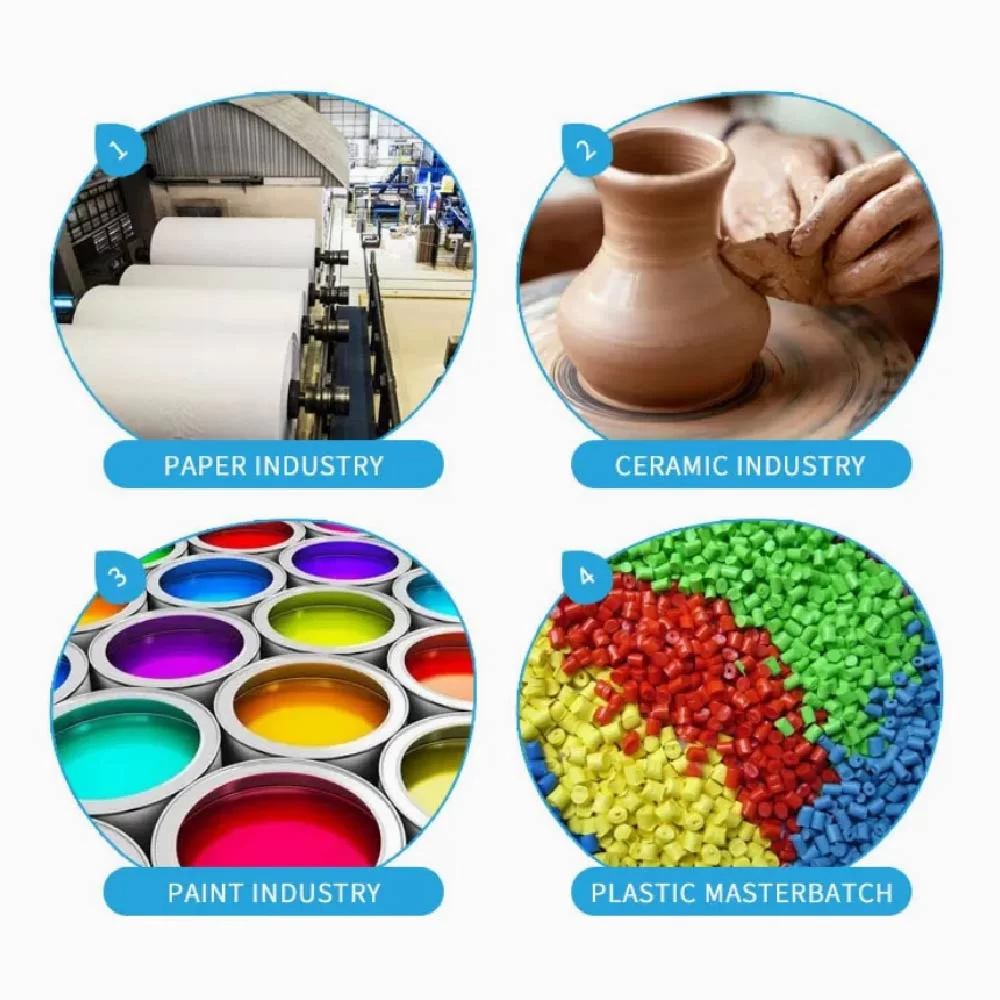
In modern industry, the demand stems from far more than just construction. It’s a crucial component in glassmaking, ceramics, and even the semiconductor industry. The rise of renewable energy, particularly solar panel manufacturing, has further fueled demand. It’s a surprisingly versatile material with applications that extend far beyond the building site.

This connection to modern technology and essential infrastructure is why sourcing and maintaining quality control are so crucial. It impacts everything from the reliability of our power grids to the safety of our buildings.

Key Properties of Crystal Quartz Sand

Let’s talk about what makes crystal quartz sand special. First, durability: it's incredibly resistant to weathering and abrasion, meaning structures built with it last longer. Second, chemical inertness: it doesn’t react with other materials, maintaining the integrity of mixtures. Third, particle shape: the angular shape enhances the interlocking strength within concrete and other composites.

Then there's permeability. Because of the way the particles pack together, it reduces water penetration, increasing the freeze-thaw resistance of concrete – a big deal in colder climates. Grading is also vital. A well-graded sand has a variety of particle sizes, optimizing the mix and reducing voids. Finally, hardness – it stands up to heavy loads and impacts without breaking down.

These properties translate directly into practical benefits on the job site. Fewer repairs, longer-lasting structures, and a more reliable end product. It’s not always the most glamorous aspect of construction, but it’s arguably one of the most important.

Global Applications and Use Cases

You’ll find crystal quartz sand underpinning infrastructure projects all over the world. In rapidly developing nations like India and China, it’s fueling massive urbanization and construction booms. The demand for high-quality concrete is soaring, and they rely heavily on consistent sand supplies.

Beyond large-scale construction, it's vital in specialized applications. For example, in coastal regions, it's used in creating erosion control measures. In post-disaster relief operations, it’s used in temporary housing and infrastructure repairs. It’s also critical in the manufacturing of filters for water treatment plants, providing clean drinking water to communities.

We're even seeing innovative applications in geotechnical engineering, like stabilizing foundations and improving soil conditions. It's a material that adapts to various needs and continues to prove its value in diverse environments.

Crystal Quartz Sand Applications by Sector

Advantages and Long-Term Value

The biggest benefit, hands down, is longevity. Structures built with high-quality crystal quartz sand simply last longer. That translates to lower lifecycle costs and reduced maintenance. From a sustainability perspective, that’s huge. We aren't constantly tearing down and rebuilding.

Beyond cost savings, there’s the aspect of safety and reliability. Knowing your materials are solid gives peace of mind, especially when you’re building critical infrastructure. The investment in quality sand upfront is an investment in the safety and well-being of communities for generations to come. It provides a level of trust that cheaper alternatives simply can't match.

Future Trends and Innovations

We’re seeing a lot of research into optimizing sand grading and surface treatments to further enhance concrete performance. Digital technologies, like AI-powered quality control systems, are becoming increasingly common, allowing for real-time analysis of sand particle characteristics.

Sustainability is also driving innovation. Researchers are exploring ways to recycle concrete and recover usable sand for new applications. The push for greener building practices will continue to demand more efficient and environmentally responsible sand sourcing and processing methods.

Challenges and Solutions in Crystal Quartz Sand Supply

The biggest challenge? Sourcing. Good quality crystal quartz sand isn't infinite. We're seeing increased competition for resources, and environmental regulations are rightly becoming stricter. Over-extraction can lead to habitat destruction, so responsible sourcing is paramount.

The solution lies in a combination of things: exploring alternative sand sources (like recycled materials), investing in advanced processing technologies to improve the quality of lower-grade sands, and implementing stricter environmental standards for extraction. We also need better data on global sand reserves to make informed decisions about resource management.

Ultimately, it's about shifting from a linear "take-make-dispose" model to a circular economy where materials are reused and recycled whenever possible. That's the only way to ensure a sustainable supply of this critical resource for the future.

Crystal Quartz Sand Supply Chain Analysis

Supply Source Quality Control Transportation Costs Environmental Impact
Riverbeds Moderate (requires sieving) Low - Medium High (Habitat disruption)
Ocean Dredging Low - Moderate (High salt content) Medium - High Medium (Marine ecosystem disturbance)
Inland Quarries High (Controlled extraction) Medium Medium (Land reclamation needed)
Recycled Concrete Variable (Requires processing) Low (Local sourcing) Low (Waste reduction)
Manufactured Sand High (Controlled particle size) Medium Medium (Energy consumption)
Desert Sand Low (Requires extensive cleaning) Medium - High Low (Minimal habitat impact)

FAQS

What makes crystal quartz sand preferable to other types of sand in concrete applications?

Crystal quartz sand’s angular shape creates better interlocking between particles in concrete mixes, resulting in greater compressive strength and reduced permeability. This makes it far more durable and resistant to cracking and weathering compared to rounded sand particles. It's a subtle difference, but it significantly impacts the long-term performance of structures.

How does the grading of crystal quartz sand affect the quality of concrete?

Grading refers to the distribution of particle sizes within the sand. A well-graded sand contains a range of sizes, filling voids and maximizing density. Poorly graded sand with uniform particle sizes creates more gaps, requiring more cement to achieve the same strength. Proper grading results in a stronger, more durable, and more cost-effective concrete mix.

What are the environmental concerns surrounding crystal quartz sand extraction?

The primary concerns revolve around habitat disruption and ecosystem damage from quarrying and dredging. Over-extraction can lead to riverbank erosion and coastal instability. Sustainable sourcing is vital, including responsible quarry management, minimizing water usage, and prioritizing the use of recycled sand where possible. Strict environmental regulations are essential to mitigate these impacts.

Are there alternatives to using naturally sourced crystal quartz sand?

Absolutely. Recycled concrete aggregate (RCA) is a promising alternative, diverting waste from landfills and reducing the demand for virgin materials. Manufactured sand, created by crushing rock, is another option, but it often requires careful processing to achieve the desired particle shape and grading. Research into alternative materials, like industrial byproducts, is also ongoing.

How does crystal quartz sand contribute to the durability of asphalt pavements?

Crystal quartz sand’s hardness and angularity provide a strong, interlocked skeleton within the asphalt mix, resisting deformation under traffic loads. This translates to pavements that are less prone to rutting, cracking, and potholes, extending their lifespan and reducing maintenance costs. It essentially creates a more robust and resilient road surface.

What quality control measures are typically used to ensure the consistency of crystal quartz sand supplies?

Standard quality control involves sieving to ensure proper grading, chemical analysis to verify purity, and microscopic examination to assess particle shape and mineral composition. Regular testing for moisture content and organic impurities is also crucial. Many suppliers adhere to ISO standards to ensure consistent quality and traceability throughout the supply chain.

Conclusion

Crystal quartz sand is a remarkably versatile and essential material, often overlooked despite its critical role in construction and various industries. Its durability, chemical inertness, and particle shape make it the foundation for countless structures and products, impacting our daily lives in ways we rarely consider. Prioritizing sustainable sourcing and embracing innovative processing technologies are key to ensuring a reliable supply for future generations.

Looking ahead, continued research into recycled alternatives and advanced quality control methods will be essential. The construction industry is facing increasing pressure to reduce its environmental footprint, and responsible sand management will be a crucial part of that effort. Investing in quality crystal quartz sand isn't just about building stronger structures; it’s about building a more sustainable future. Visit our website to learn more: crystal quartz sand
Michael Davis

Michael Davis

Michael Davis is a Production Manager at Hebei Quanerduo Mining Development, overseeing the day-to-day operations of our processing and beneficiation workshops. He has been with the company since 2010, steadily climbing the ranks through his commitment to efficiency and quality. Michael is responsible for managing production schedules, maintaining equipment, and ensuring our output consistently meets the highest standards. He works closely with our quality control team to implement strict monitoring protocols and identify areas for improvement. Michael is a practical leader with a strong focus on safety and a keen eye for detail.
Previous Understanding Crushed Quartz Sand Its Importance and Sustainable Sourcing
Next The Critical Role of Crystalline Quartz Sand in Modern Construction and Development
High-quality architectural stone — crafted for strength, beauty, and lasting performance.
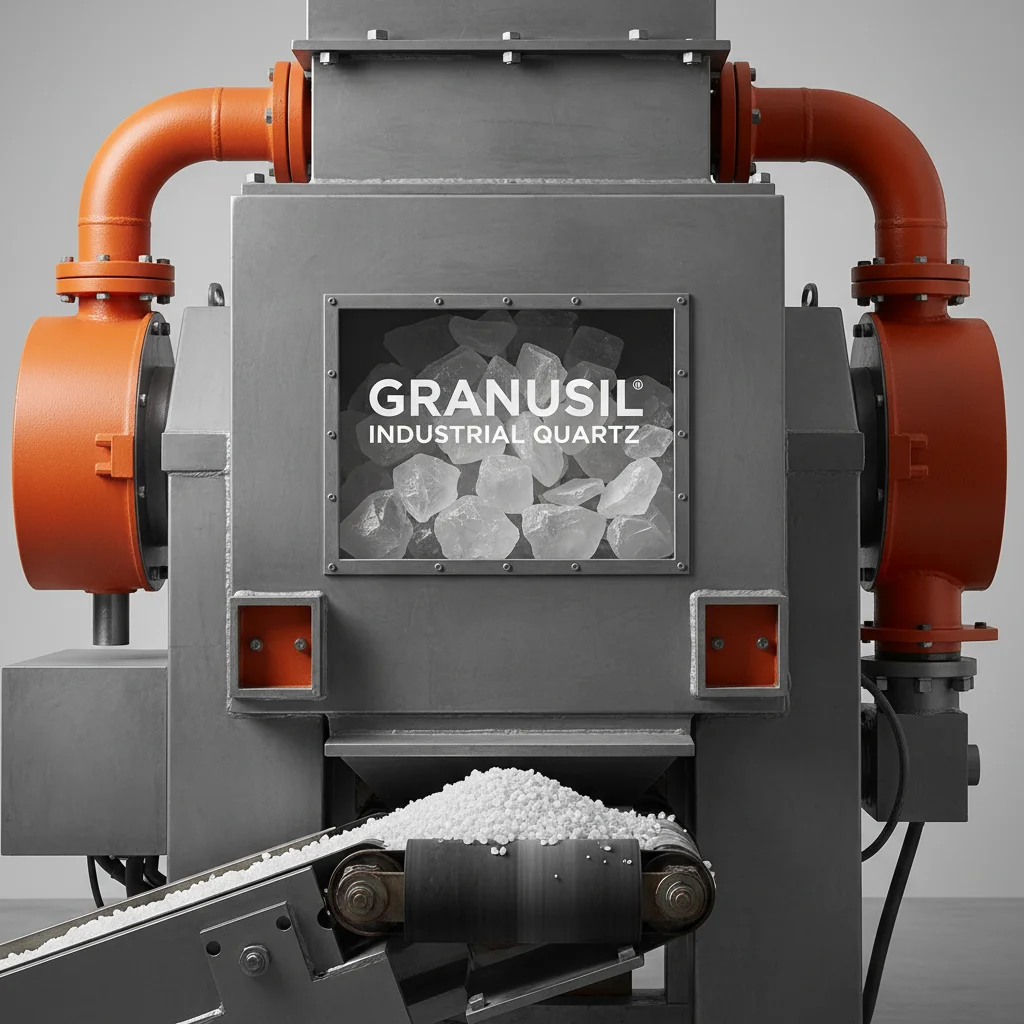
Technical Guide to High Purity Granusil Industrial Quartz Uses
In the sophisticated landscape of industrial mineral extraction, granusil industrial quartz stands as a cornerstone material that bridges the gap between raw geological deposits and high-precision engineering. Its unique chemical stability and physical hardness make it indispensable for a wide array of manufacturing processes, from glass production to advanced filtration systems. Understanding the nuances of this material is not merely a technical requirement but a strategic advantage for companies aiming to optimize their production yield and product longevity.
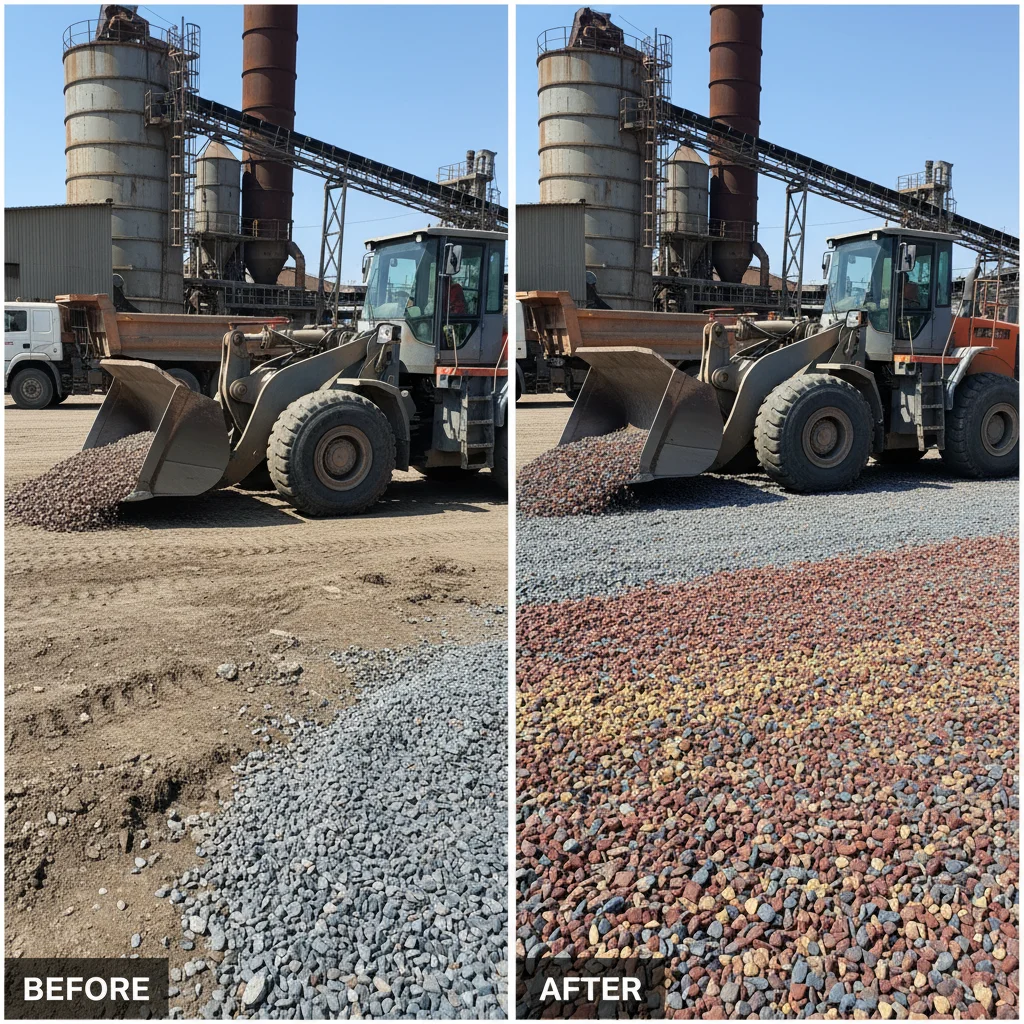
Best Uses of Colored Gravel for Landscaping to Enhance Your Yard
Creating a visually stunning garden or walkway requires a balance of functionality and aesthetic appeal. Using colored gravel for landscaping is one of the most effective ways to introduce vibrant tones and professional texture to your outdoor environment. Unlike traditional mulch, colored stone provides a permanent solution that resists decay and reduces maintenance. Whether you are looking to define a path, highlight a flower bed, or create a modern Zen garden, the right choice of aggregate can transform a dull yard into a masterpiece. In this guide, we will explore the various types of colored gravel and how to use them.
Enhancing Your Outdoor Space with Brown Landscape Rock Guide
Creating a visually stunning and sustainable outdoor environment requires a thoughtful choice of materials. Among the most versatile options available, brown landscape rock offers a perfect blend of natural aesthetics and long-term durability. Whether you are designing a Zen garden, constructing a retaining wall, or simply looking for a low-maintenance alternative to traditional mulch, these earthy tones provide a timeless appeal. In this comprehensive guide, we will explore the various types of brown stone, their practical benefits, and how to integrate them into your home's exterior design to increase both beauty and property value.
Exploring the Versatile Applications of Gold Sand Quartz in Modern Industries
Gold sand quartz, a fascinating combination of materials, holds a significant place in both industrial applications and aesthetic design. Its unique properties stemming from the quartz component, coupled with the visual appeal of sand-like grains, make it a versatile material across diverse sectors. This article delves into the intricacies of gold sand quartz, exploring its definition, key attributes, global applications, and future prospects. Understanding this material is crucial for professionals in construction, manufacturing, and design, enabling them to leverage its benefits effectively.
Enhance Your Outdoor Space with Bright White Landscaping Rocks Ideas
Creating a beautiful and low-maintenance landscape often involves choosing the right ground cover. Bright white landscaping rocks are a popular option, offering a clean, modern aesthetic and a host of practical benefits. This article will explore everything you need to know about these rocks, from their uses and benefits to installation tips and cost considerations. We will guide you through selecting the perfect white rocks for your outdoor space and maximizing their impact on your overall landscape design.
Exploring the Versatile Applications of Dry Quartz Sand and Future Trends
Dry quartz sand, a granular material composed of silica, plays a pivotal role in a diverse array of industries worldwide. From glass manufacturing and foundry casting to construction and filtration, its unique properties – chemical inertness, thermal stability, and abrasive qualities – make it an indispensable component in countless applications. Understanding the characteristics and sourcing of dry quartz sand is crucial for optimizing processes and ensuring product quality across numerous sectors.

If you are interested in our products, you can choose to leave your information here, and we will be in touch with you shortly.