
Enhance Outdoor Spaces With Stunning Black Decorative Landscape Rocks
Black Decorative Landscape Rocks: Enhance Your Outdoor Space
Creating a beautiful and functional outdoor space often involves thoughtful landscaping choices. Black decorative landscape rocks are a popular option for homeowners and landscapers alike. They offer a modern aesthetic, require minimal maintenance, and provide a range of benefits for gardens, walkways, and other outdoor features. This article will explore the various uses, benefits, and types of black landscape rocks, helping you decide if they're the right choice for your project. They are a versatile material that can transform any outdoor area.
Why Choose Black Decorative Landscape Rocks?
Black landscape rocks offer several advantages over traditional mulch or other ground cover options. Their dark color absorbs heat, potentially extending the growing season for plants in cooler climates. They’re also incredibly durable, resisting decomposition and fading, unlike organic mulches. This means less frequent replacement and long-term cost savings. Furthermore, black rocks are excellent at suppressing weed growth, reducing the need for herbicides and manual weeding. Finally, the striking visual contrast they provide can dramatically enhance the aesthetic appeal of your garden or outdoor area. The visual appeal can really help enhance outdoor features.
Key Benefits: Durable, low maintenance, weed suppression, heat absorption, and aesthetic appeal.
Popular Uses for Black Landscape Rocks
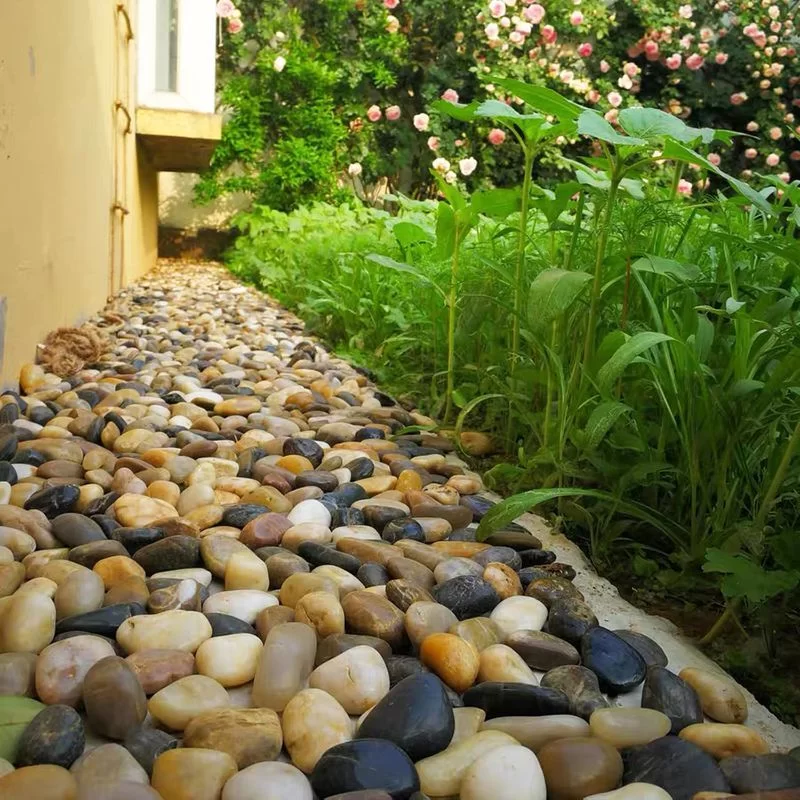
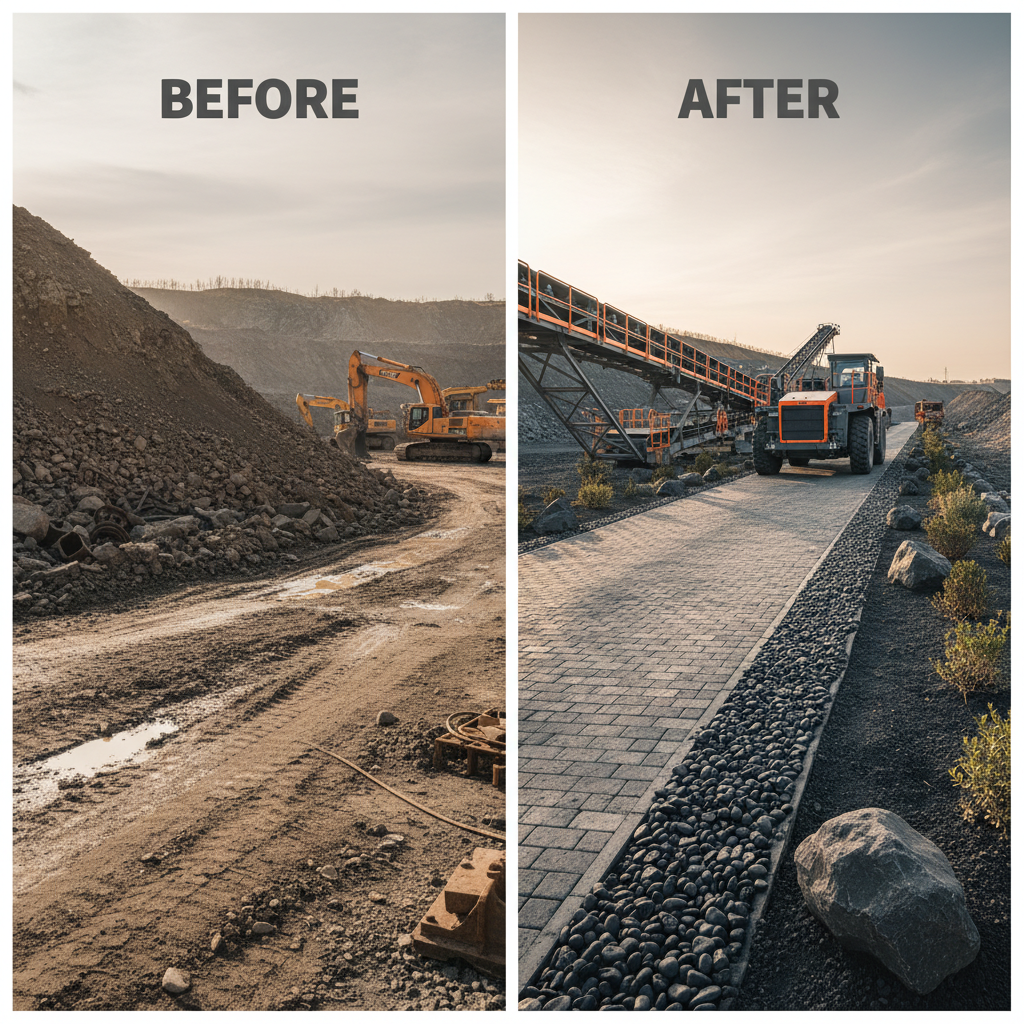
Black rocks are incredibly versatile and can be used in a wide variety of landscaping applications. They are commonly used as ground cover around plants, providing a clean and modern look. They can also create striking pathways and walkways, offering excellent drainage and stability. Black rocks are frequently incorporated into Zen gardens or rock gardens for a dramatic effect. Additionally, they can be used to accent water features, adding depth and visual interest. Many homeowners choose to use them to define garden beds or to create decorative borders around trees and shrubs. They are great for many different designs.
Versatile Applications:
• Ground cover around plants
• Pathways and walkways
• Zen and rock gardens
• Accenting water features
Types of Black Decorative Landscape Rocks
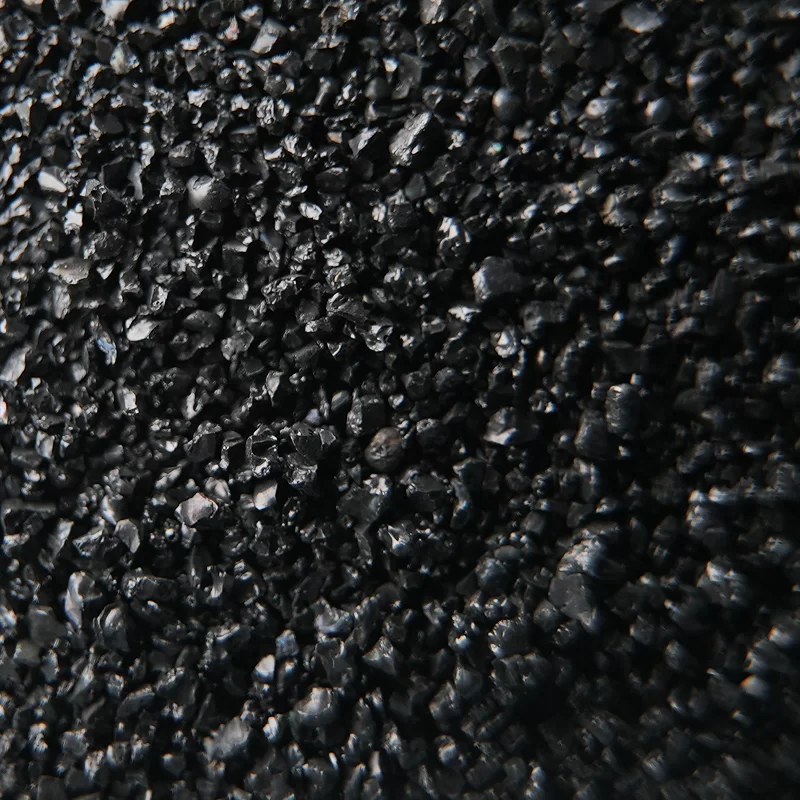
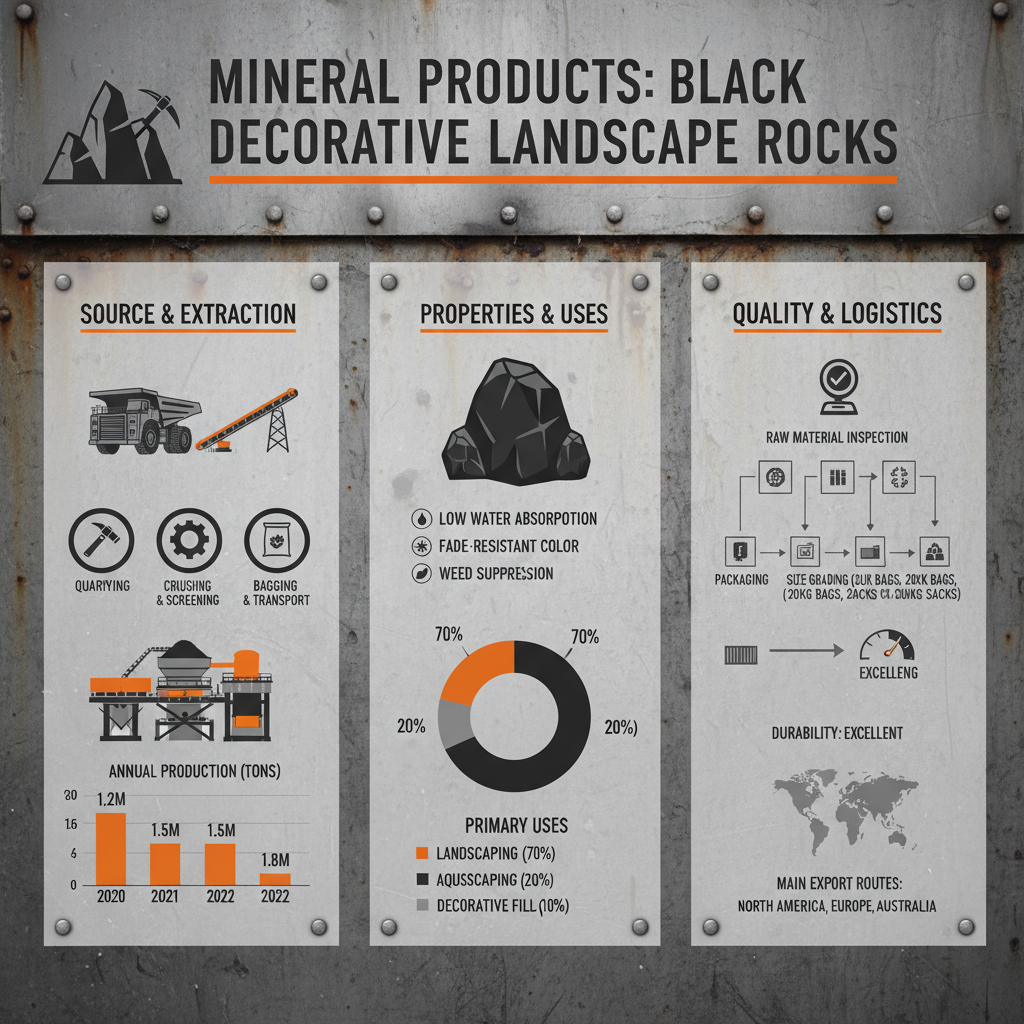
Several types of rocks can be used as black landscape rocks, each with its unique characteristics and price point. Volcanic rock, such as black lava rock, is a popular choice due to its porous nature, which allows for excellent drainage. Basalt rock is another common option, known for its durability and smooth texture. River rock, when dyed black, can also be used, offering a more rounded and natural appearance. The choice of rock depends on your budget, aesthetic preferences, and the specific requirements of your landscaping project. You can find the right style at CN Floor Materials.
Installation Tips for Black Decorative Landscape Rocks
Proper installation is key to ensuring your black landscape rocks look their best and provide long-lasting benefits. Begin by clearing the area of all weeds, debris, and existing vegetation. Consider laying down a layer of landscape fabric to further suppress weed growth. Spread a 2-4 inch layer of the rocks evenly over the desired area. For pathways, compact the rocks to create a stable surface. Regularly rake the rocks to maintain a neat and tidy appearance. It’s a relatively easy project that can provide a drastic change to any outdoor area.
Maintaining Your Black Rock Landscape
Black landscape rocks require minimal maintenance. Periodically remove any fallen leaves or debris. Rake the rocks to redistribute them and maintain a consistent layer. Inspect the area for weed growth and remove any weeds promptly. Occasionally rinse the rocks with water to remove dust and dirt. With proper care, your black rock landscape will remain beautiful for years to come. Check out CN Floor Materials for a variety of landscaping options.
Conclusion: A Stylish and Sustainable Choice
Black decorative landscape rocks offer a stylish, sustainable, and low-maintenance solution for enhancing your outdoor space. From modern gardens to natural pathways, their versatility makes them a popular choice for homeowners and landscapers. By carefully selecting the right type of rock and following proper installation and maintenance practices, you can create a beautiful and functional landscape that you'll enjoy for years to come.
Frequently Asked Questions (FAQs)
How much black rock do I need for my project?
To determine the amount of black rock needed, calculate the area you want to cover (length x width) in square feet. Then, multiply this number by the desired depth of the rock layer (typically 2-4 inches) and convert the result to cubic feet. Remember to add about 10-15% extra to account for settling and compaction. You can also use online calculators to help with this calculation. It's always better to slightly overestimate than to run short.
Will black rocks fade over time?
While high-quality black rocks are generally fade-resistant, some minor fading may occur over time due to exposure to sunlight and the elements. The rate of fading depends on the type of rock, the intensity of sunlight, and the local climate. To minimize fading, choose rocks specifically treated for UV resistance. Periodically rinsing the rocks can also help maintain their color.
Are black landscape rocks suitable for all plants?
Black rocks can be used with most plants, but it's important to consider the plant's water requirements. The dark color of the rocks absorbs heat, which can increase soil temperature and potentially stress plants that prefer cooler conditions. Ensure your plants receive adequate water, especially during hot weather. Also, avoid using black rocks directly against the stems of plants, as this can lead to overheating.