lbanner

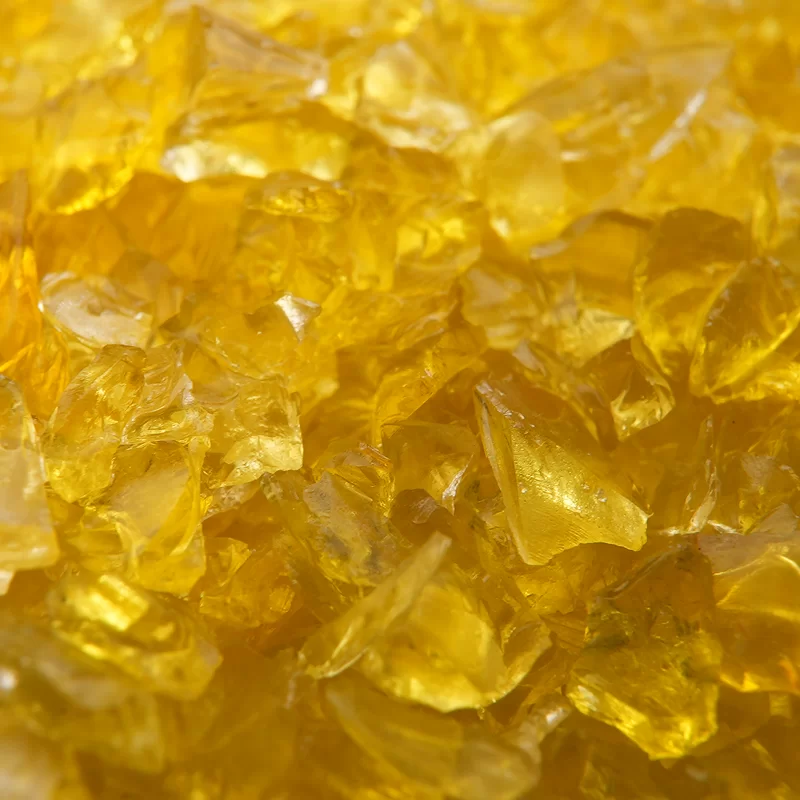
Advanced Geological Solutions for crystalline quartz sand in Switzerland

Precision-engineered non-metallic mineral resources tailored for the Swiss architectural and landscaping landscape, blending Swiss quality standards with industrial efficiency.

Advanced Geological Solutions for crystalline quartz sand in Switzerland

Our comprehensive portfolio of non-metallic minerals provides the Swiss market with high-purity industrial aggregates and decorative materials designed for extreme alpine and urban environments.

The State of Non-Metallic Mineral Extraction in Switzerland

Analyzing the intersection of Swiss environmental regulations and the demand for premium earth and stone materials.

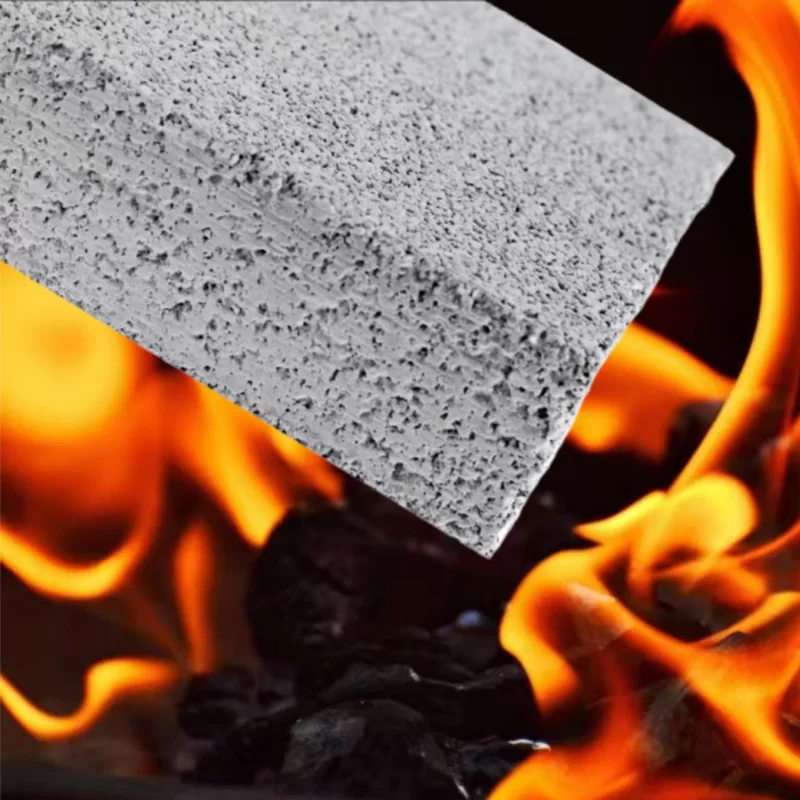
Switzerland's mining sector for non-metallic minerals is characterized by strict ecological mandates and a high demand for specialty materials. The geographical layout of the Alps necessitates highly localized extraction and logistics, where the use of perlite board has seen a surge in the construction sector due to its superior thermal insulation properties required for Swiss energy-efficiency standards.

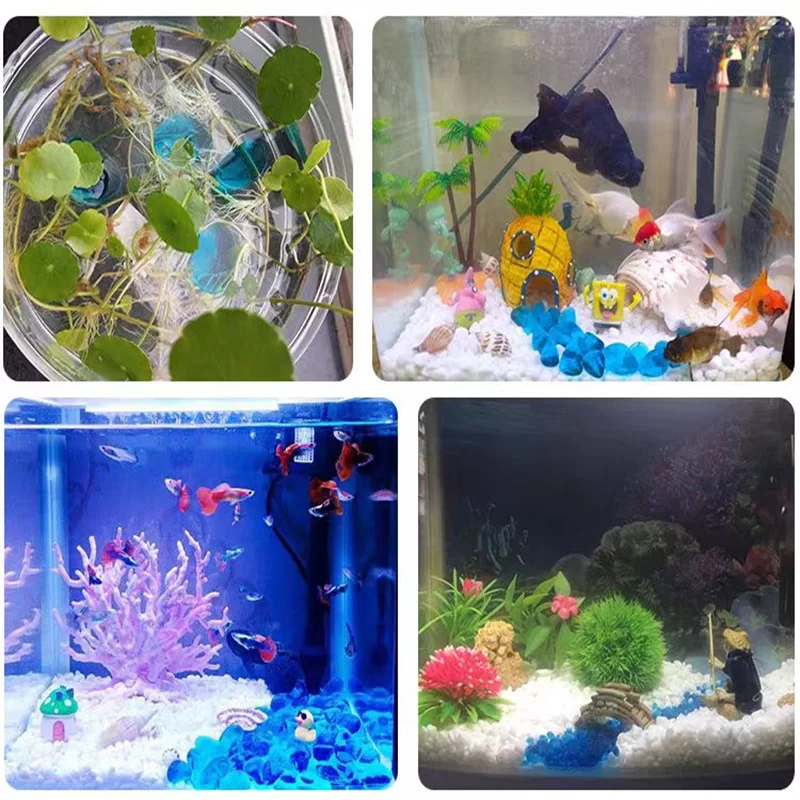
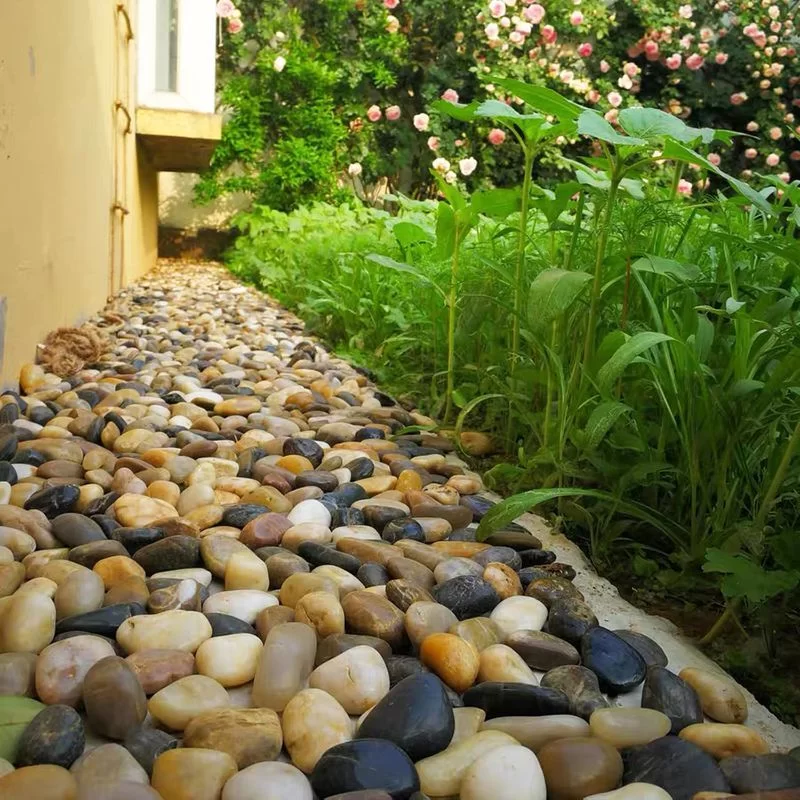
The market currently faces a challenge in balancing the preservation of natural landscapes with the need for high-quality aggregates. This has led to an increased reliance on precision-processed materials like artificial pebbles for garden, which offer aesthetic consistency and lower environmental impact compared to uncontrolled riverbed dredging.

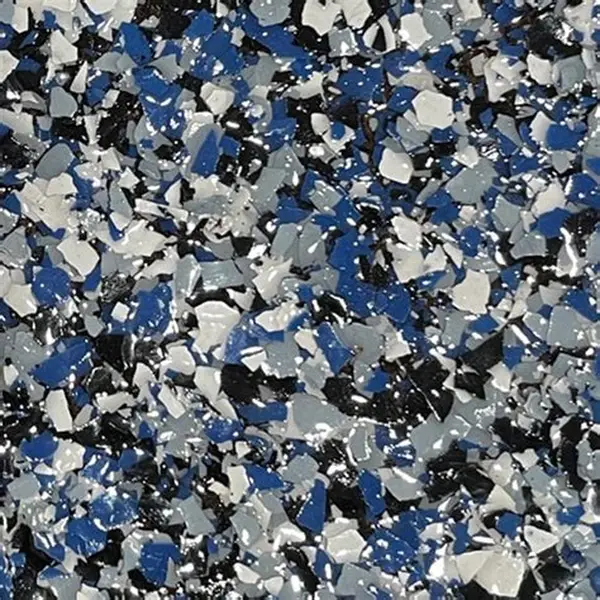
Economically, the Swiss market prioritizes longevity and sustainability (E-E-A-T). Whether it is the procurement of high-purity industrial sands or the application of blue decorative sand for high-end urban architectural projects, there is a clear shift toward materials that possess certified life-cycle assessments and low carbon footprints.
Evolution and Trajectory of Swiss Mineral Processing

From traditional quarrying to the era of precision mineral engineering.

Market Development History

In the early 20th century, Swiss mineral extraction was primarily focused on raw aggregate for infrastructure, using basic crushing techniques. By the 1970s, the industry shifted toward chemical purification and grading, allowing for the production of standardized beach pebbles for garden that met specific architectural requirements.

The 1990s marked a turning point with the introduction of strict environmental legislation. This forced a transition from open-pit dominance to integrated waste-management systems, where recycled aggregates began to complement virgin minerals in the construction of Swiss tunnels and highways.

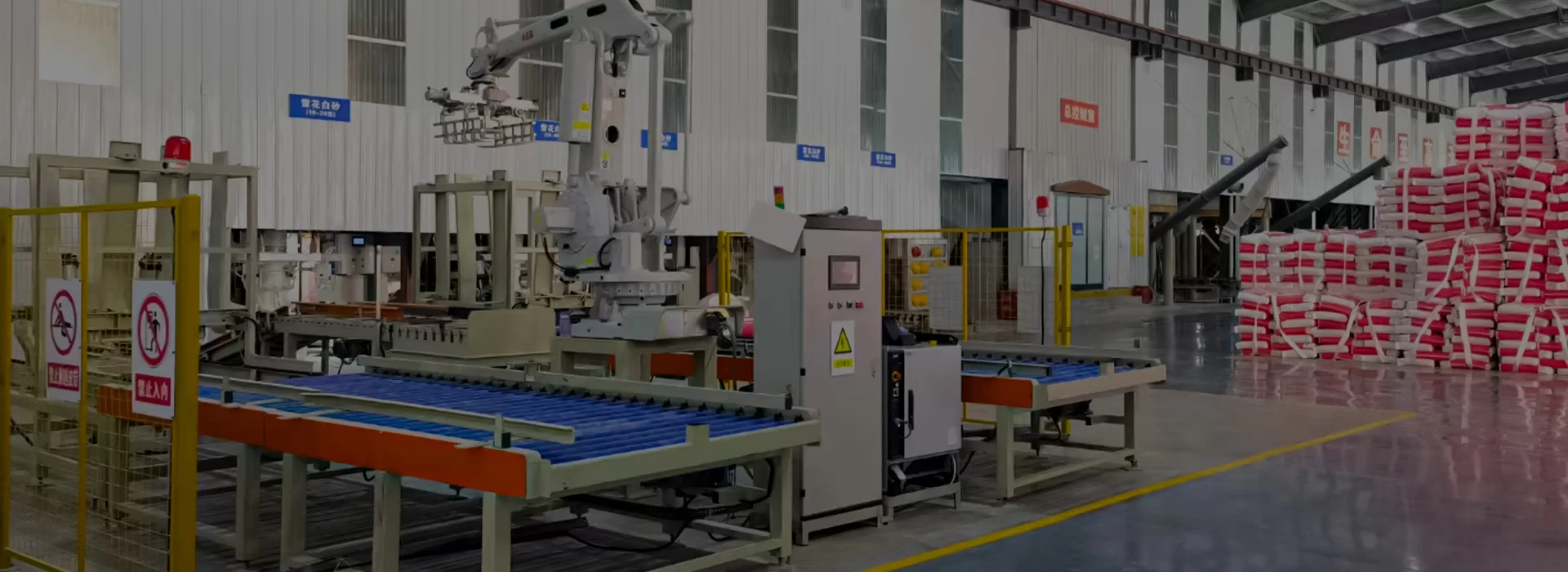
Since 2010, the integration of AI-driven sorting and automated grading has enabled the production of ultra-pure minerals. This technological leap has made it possible to distribute highly specialized materials, such as high-density thermal boards and precision quartz, across the Swiss plateau with minimal waste.

Future Development Trends

Circular Economy Integration

The next 3 years will see a transition toward "Zero Waste Mining," where tailings are repurposed into high-value construction materials, significantly reducing the footprint of clay and sand extraction.

Smart Material Customization

Google search trends indicate a rising demand for "sustainable luxury landscaping." This will drive the growth of bespoke mineral blends, combining natural textures with engineered durability.

Digital Supply Chain Transparency

Blockchain tracking for mineral provenance will become standard in Switzerland to ensure that all extracted materials adhere to the highest ethical and environmental certifications.

Industry Outlook and Future Strategic Projections

Predicting the shift toward sustainable mineralogy and high-tech application in the Swiss market.

Eco-Certified Extraction
Shift toward low-impact extraction methods to comply with strict Swiss federal laws on land protection.
High-Purity Mineral Demand
Increased demand for crystalline structures used in high-precision Swiss electronics and optics industries.
Thermal Efficiency focus
Integration of lightweight, insulating minerals into urban redevelopment to meet "Net Zero" targets.
Aesthetic Urbanism
Growth in colorful, engineered mineral sands for Swiss public art and modern cityscape design.

Industry Outlook

The Swiss non-metallic mineral sector is moving away from volume-based extraction toward value-based engineering. The focus is now on the "precision of the grain," where the physical and chemical properties of the sand or clay are customized for the final application, reducing waste and increasing efficiency.

Future growth will be driven by the synergy between traditional mining expertise and modern material science, ensuring that Switzerland remains a hub for architectural innovation while preserving its unique natural heritage.

Localized Applications in Switzerland

Real-world implementation of mineral solutions across various Swiss regions and sectors.

1. Alpine Residential Insulation

Implementation of perlite board in luxury chalets in Zermatt and St. Moritz to provide superior thermal resistance against extreme winter temperatures while maintaining structural lightness.

2. Zurich Urban Landscaping

The use of blue decorative sand and artificial pebbles for garden in contemporary corporate plazas, creating low-maintenance, high-impact visual environments.

3. Geneva Lakefront Design

Utilization of high-grade beach pebbles for garden for shoreline erosion control and aesthetic landscaping around Lake Geneva, ensuring mineral stability and visual harmony.

4. Precision Glass Manufacturing

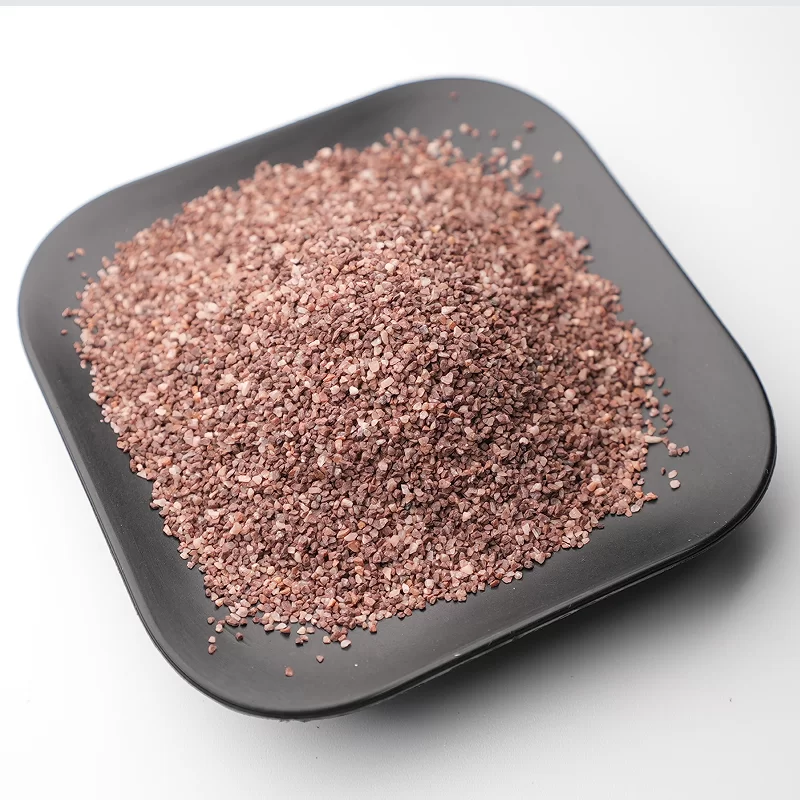
Supplying ultra-pure crystalline quartz sand to Swiss precision glass and optics firms, where chemical purity is critical for refractive index accuracy.

5. Basel Industrial Filtration

Application of graded quartz sands in industrial water filtration systems for the chemical clusters in Basel, providing high-flow efficiency and contaminant removal.

Brand Story

Global Development Journey of Hebei Quan'erduo Mining Development Co., Ltd.

Foundational Excellence

Starting as a local specialist in non-metallic minerals, we focused on mastering the extraction of raw clays and sands with unparalleled purity.

Technological Pivot

We invested heavily in mineral processing technology, moving from raw extraction to the production of engineered materials like expanded perlite.

Global Quality Standards

By aligning our production with international ISO and European standards, we began exporting our precision minerals to high-demand markets.

Strategic European Expansion

Establishing a robust supply chain for the Swiss and European markets, focusing on sustainable delivery and bespoke mineral specifications.

Vision for the Future

Committed to becoming the world's leading provider of eco-friendly non-metallic minerals, solving the pain points of resource scarcity and environmental impact.

Swiss Mineral Industry FAQ

Expert answers to common questions regarding non-metallic mineral procurement and application in Switzerland.

How does perlite board improve energy efficiency in Swiss buildings?

Perlite boards offer an exceptionally low thermal conductivity coefficient, which is essential for meeting the strict Minergie standards in Switzerland, reducing heating costs and carbon emissions.

What makes crystalline quartz sand ideal for Swiss precision optics?

Our crystalline quartz sand is processed to remove all metallic impurities, ensuring a high degree of transparency and a consistent refractive index required for high-end Swiss lenses.

Are artificial pebbles for garden sustainable for Swiss alpine soil?

Yes, our engineered pebbles are chemically inert and designed to prevent soil erosion without altering the pH balance of the local alpine environment.

Can beach pebbles for garden be used in high-moisture Swiss regions?

Absolutely. Our beach pebbles are selected for their low porosity and high density, ensuring they do not absorb excess moisture or crack during the freeze-thaw cycles typical of Switzerland.

Is blue decorative sand safe for public urban installations in Zurich?

Our decorative sands use non-toxic, UV-stable pigments that are compliant with EU and Swiss health and safety regulations, making them safe for public contact.

What is the typical lead time for mineral shipments to Switzerland?

Depending on the volume and customization of the minerals, we typically offer a streamlined logistics process with delivery times ranging from 2 to 4 weeks.

Secure Your High-Performance Mineral Supply

Partner with the leaders in non-metallic mineral extraction for your next project in Switzerland.

Contact Us Now

If you are interested in our products, you can choose to leave your information here, and we will be in touch with you shortly.